Contenido
- How Does Diabetes Affect Circulation?
- Why the Legs and Feet Need Extra Attention
- Is It Diabetic Neuropathy or Poor Circulation?
- Signs of Poor Circulation to Watch For
- Diabetes, Nerve Damage, and Slow-Healing Wounds
- What Can You Do to Protect Your Vascular Health With Diabetes?
- How Are Circulation Problems Evaluated?
- What Happens If PAD Is Found?
- When Should Someone With Diabetes Consider a Vascular Consultation?
- Preguntas frecuentes
- Diabetes Awareness Includes Vascular Awareness
November is National Diabetes Month, an opportunity to bring more attention to diabetes and the health problems that can develop alongside it. Blood sugar is an important part of diabetes management, but it is not the only part of the body affected. Over time, diabetes can also affect the blood vessels and nerves that help keep the legs and feet healthy.
That connection is especially important when it comes to peripheral artery disease (PAD), a circulation condition that reduces blood flow to the legs and feet. For someone living with diabetes, symptoms such as numbness, leg cramping, cold feet, or a slow-healing sore may have more than one possible cause.
Understanding how diabetes and circulation are connected can make it easier to recognize when a change in your legs or feet deserves a closer look.
How Does Diabetes Affect Circulation?
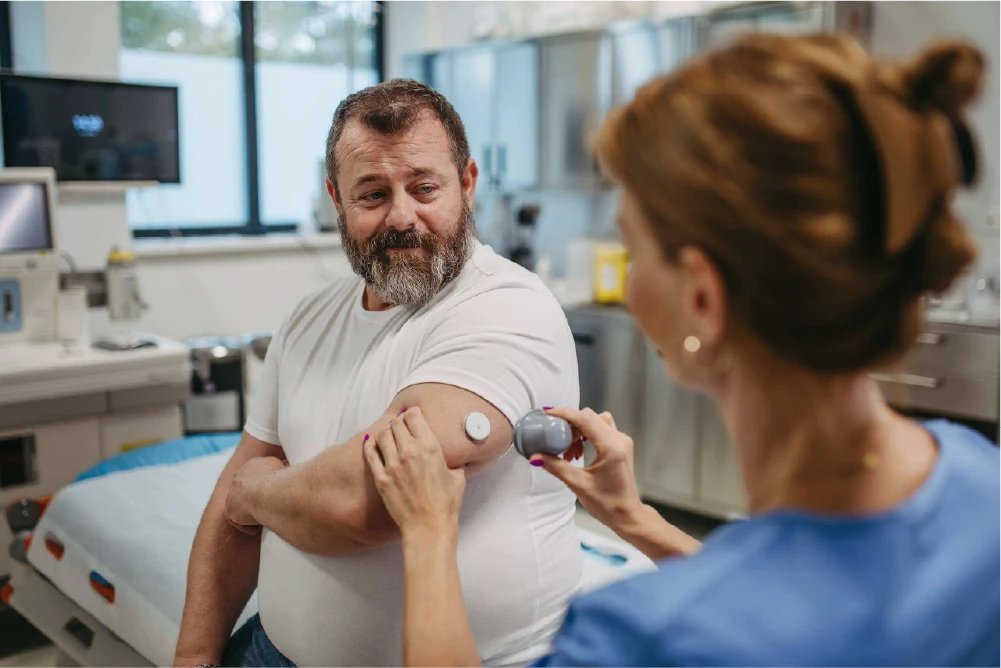
Diabetes occurs when blood glucose, also called blood sugar, is too high. Over time, high blood glucose can damage blood vessels throughout the body.
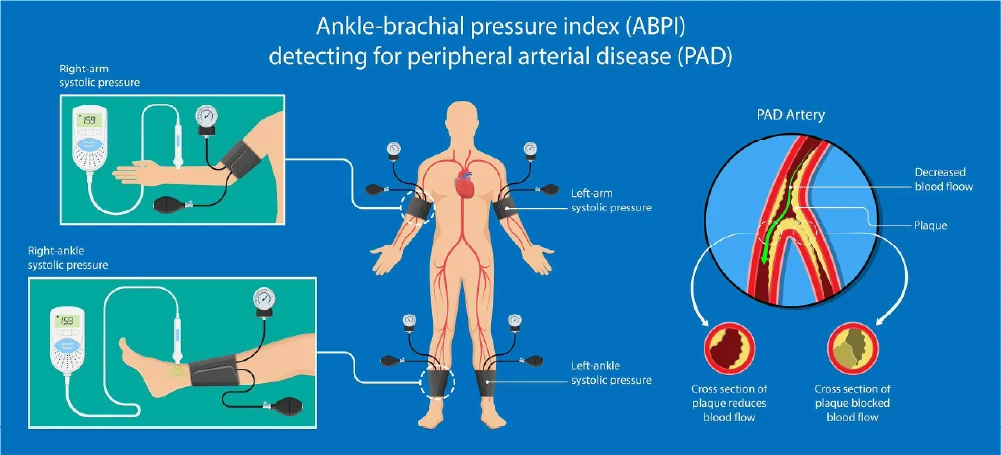
Damage to the arteries can contribute to atherosclerosis, a buildup of plaque inside the arteries. As plaque accumulates, the arteries may become narrower and make it more difficult for blood to reach the tissues that depend on it.
When narrowed or blocked arteries reduce blood flow to the legs and feet, the condition is known as peripheral artery disease.
Diabetes does not mean that someone automatically has or will develop PAD. However, it is an important risk factor. According to the National Heart, Lung, and Blood Institute, people with diabetes are four times more likely to develop PAD.
Other factors, including smoking, high blood pressure, high cholesterol, kidney disease, older age, and cardiovascular disease, can further affect vascular risk.
Why the Legs and Feet Need Extra Attention
Your legs and feet are far from the heart, which means healthy blood flow is important for delivering oxygen and nutrients to the muscles, skin, and other tissues in the lower extremities.
When arterial circulation becomes limited, changes may first become noticeable during activity. Walking makes the leg muscles work harder and increases their need for oxygen-rich blood. If narrowed arteries cannot keep up with that demand, a person may experience cramping, aching, heaviness, or fatigue that improves after resting.
As PAD progresses, circulation problems can sometimes become noticeable even without activity.
For people with diabetes, recognizing these changes can be more complicated because diabetes can also damage the nerves in the feet and legs.
Is It Diabetic Neuropathy or Poor Circulation?
Numbness or tingling in the feet is often associated with diabetic neuropathy, a type of nerve damage that can develop in people with diabetes. Neuropathy may cause burning, tingling, pain, reduced sensation, or difficulty sensing temperature.
PAD affects the arteries rather than the nerves. Because it reduces blood flow, it may cause leg pain with walking, weakness, coldness, color changes, or wounds that take longer than expected to heal.
There is also overlap. Numbness, weakness, or discomfort can occur with more than one condition, and a person may have both diabetes-related nerve damage and circulation problems at the same time.
That is why symptoms alone cannot reliably tell you whether the problem is neuropathy, PAD, another condition, or a combination of factors. A medical evaluation can help identify what may be contributing to the change.
Signs of Poor Circulation to Watch For
People with diabetes should pay attention not only to how their legs and feet feel, but also to changes in temperature, appearance, skin health, and walking ability.
Possible signs of reduced arterial circulation include:
- Leg or calf cramping, aching, heaviness, or fatigue that develops while walking
- A shorter walking distance before discomfort begins
- Numbness or weakness in the legs or feet
- One foot or leg feeling colder than the other
- Changes in skin color
- Foot or leg pain while resting
- Sores, cuts, or wounds on the feet or legs that heal slowly
- Changes in the skin, hair, or nails of the lower legs and feet
- A reduced or difficult-to-detect pulse in the foot or ankle
Not everyone with PAD experiences the classic pattern of leg pain during walking. Some people notice more subtle changes, including gradually avoiding longer walks, needing more breaks, or having persistent coldness or numbness in a foot.

Diabetes, Nerve Damage, and Slow-Healing Wounds
Foot health becomes particularly important when diabetes and poor circulation occur together.
Diabetic nerve damage may reduce sensation in the feet, making a blister, cut, or pressure injury harder to notice. At the same time, reduced arterial blood flow can make it more difficult for an injury to receive the oxygen and nutrients needed for healing.
A small foot problem can therefore become more significant if it goes unnoticed or does not heal as expected.
Checking the feet regularly can help identify changes earlier. Look for cuts, blisters, redness, swelling, cracked skin, sores, changes in color, or other areas that look different from usual. Wearing properly fitting shoes and avoiding walking barefoot can also help protect the feet from preventable injuries.
If you have diabetes and notice a new sore, signs of infection, or a wound that is not healing as expected, contact your healthcare provider rather than trying to manage the problem on your own.
What Can You Do to Protect Your Vascular Health With Diabetes?
Managing diabetes involves more than keeping blood sugar levels under control. Everyday habits, regular medical care, and awareness of changes in your legs and feet all play a role in protecting vascular health. Taking these steps may help reduce the risk of circulation-related complications and make it easier to recognize when additional evaluation is needed.
The following areas are especially important for people living with diabetes:
| Focus Area | What to Do | Why It Matters |
| Manage diabetes overall | Work with your healthcare team to set individualized goals for blood glucose, blood pressure, and cholesterol. | Keeping these factors under control can help protect your blood vessels and support better circulation. |
| Support vascular health daily | Stay physically active, eat well, take medications as prescribed, keep follow-up appointments, and avoid smoking. | These habits can support cardiovascular and vascular health. If walking already causes leg pain, talk with your healthcare provider about what activity level is appropriate for you. |
| Check your feet regularly | Make foot checks part of your routine and look for cuts, sores, skin changes, or injuries. | Changes in sensation can make injuries easier to miss, and circulation problems can affect how well they heal. |
| Pay attention to new symptoms | Do not assume every leg or foot symptom is simply part of having diabetes. | A change in walking ability, persistent coldness, discoloration, recurring leg pain, or a slow-healing wound may be a sign that circulation needs to be evaluated. |
How Are Circulation Problems Evaluated?
A vascular evaluation typically begins with your symptoms and medical history. A provider may ask when your discomfort occurs, whether activity makes it worse, whether rest helps, and whether you have noticed changes in sensation, temperature, skin color, wounds, or walking ability.
The examination may also include checking circulation and pulses in the legs and feet.
Depending on the findings, additional vascular testing may be recommended. Tests such as an ankle-brachial index (ABI), vascular ultrasound, or other diagnostic imaging can help providers better understand blood flow and determine whether an artery may be narrowed or blocked.
The appropriate testing depends on the individual patient and their symptoms, medical history, and initial examination.
What Happens If PAD Is Found?
PAD treatment depends on the severity of the condition, symptoms, medical history, and overall vascular health. Not everyone with PAD requires a procedure, and treatment recommendations are based on individual evaluation and diagnostic findings.
Common approaches to managing and treating PAD include:
- Managing cardiovascular risk factors: Controlling diabetes, blood pressure, and cholesterol, avoiding smoking, and taking prescribed medications may help reduce cardiovascular risks and support vascular health.
- Exercise and lifestyle changes: An appropriate exercise program, healthy eating, and other lifestyle adjustments may help improve walking ability and manage symptoms.
- Angioplasty: A minimally invasive vascular procedure that uses a small balloon to widen narrowed arteries and improve blood flow.
- Stenting: A procedure that places a small mesh tube inside a narrowed artery to help keep it open and support circulation.
- Atherectomy: A minimally invasive vascular procedure that removes plaque buildup from affected arteries to help improve blood flow.
A vascular specialist can determine which approach may be appropriate based on the location and severity of arterial disease, symptoms, imaging findings, and individual health needs.
When Should Someone With Diabetes Consider a Vascular Consultation?
Having diabetes by itself does not mean you need a vascular procedure. It does mean circulation deserves attention when new or persistent leg and foot symptoms develop.
If walking causes recurring leg pain or cramping, one foot consistently feels colder than the other, your walking ability has changed, or a sore on your foot or leg is healing slowly, consider discussing these changes with your healthcare provider.
A vascular consultation can help determine whether reduced blood flow may be contributing to your symptoms and whether additional testing is appropriate.
Preguntas frecuentes
Diabetes can increase the risk of blood vessel damage and atherosclerosis, which may contribute to reduced arterial circulation. Diabetes is also an important risk factor for peripheral artery disease, a condition in which narrowed or blocked arteries limit blood flow to the legs and feet.
Yes. Diabetes can affect both nerves and blood vessels. A person may have diabetic neuropathy, PAD, or both, which is one reason symptoms such as numbness, weakness, or foot discomfort should be evaluated rather than attributed to one condition automatically.
Not necessarily. Leg pain can have many causes. However, cramping, aching, heaviness, or fatigue that repeatedly begins during walking and improves with rest is a common PAD symptom pattern. A vascular evaluation can help determine whether reduced blood flow is contributing.
Diabetic nerve damage can make injuries harder to feel, while poor circulation can interfere with healing. Together, these problems can increase the risk that a small foot injury becomes more difficult to manage. Regular foot checks and prompt evaluation of sores or wounds are important parts of diabetes care.
A vascular specialist evaluates conditions affecting blood vessels and circulation. If symptoms suggest that blood flow to the legs or feet may be reduced, a vascular consultation can help determine whether additional testing or treatment should be considered.
Diabetes Awareness Includes Vascular Awareness
Diabetes care involves more than watching one number. It also means paying attention to the ways diabetes can affect the nerves, heart, blood vessels, kidneys, eyes, legs, and feet.
This National Diabetes Month, take a closer look at the changes your body may be showing you. Leg pain that keeps interrupting your walks, a foot that always feels colder, recurring numbness, or a wound that is taking longer to heal should not automatically be dismissed as a normal part of diabetes or aging.
If you are experiencing symptoms that may be related to poor circulation or peripheral artery disease, request a vascular consultation with United Vein & Vascular Centers.