
Contenido
- What Is a Vein Screening?
- Vein Screening vs. Diagnostic Ultrasound
- Common Symptoms That May Require Evaluation
- Concerned About Leg Swelling, Varicose Veins, or Leg Pain?
- What to Expect During Your Appointment
- Atlanta Area Clinic Locations
- Opciones de tratamiento de las venas
- Are Free Vein Screenings Really Free?
- When to Request a Vein Screening
- Preguntas frecuentes
- Take the Next Step Toward Understanding Your Vein Health
Leg swelling, visible veins, aching, heaviness, and nighttime discomfort are easy to brush off at first. For many people, symptoms seem to come and go depending on the day, activity level, or how long they have been sitting or standing.
However, recurring leg symptoms may be a sign of underlying vein disease.
For patients in the Atlanta area, a vein screening can be an important first step toward understanding what may be causing discomfort and whether additional evaluation may be recommended. United Vein & Vascular Centers offers Atlanta-area vein clinic locations for patients seeking evaluation for symptoms such as varicose veins, spider veins with discomfort, leg swelling, heaviness, aching, and other concerns that may be related to vein health.
Here is what to know about free vein screenings in Atlanta, what happens during a screening, and how to find a clinic location near you.
What Is a Vein Screening?
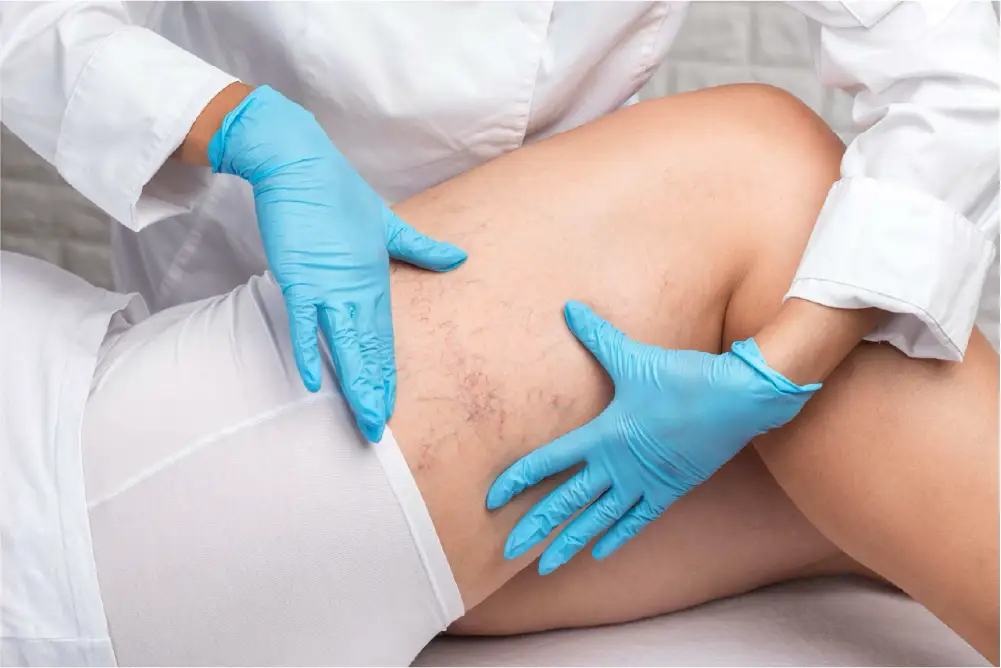
A vein screening is an initial evaluation designed to help identify whether your symptoms may be related to vein disease. During a screening, a provider or clinical team member may review your symptoms, ask about your medical history, examine visible veins or areas of concern, and determine whether additional testing may be appropriate.
A vein screening is not the same as a full diagnostic ultrasound. If the screening suggests that underlying vein disease may be involved, your provider may recommend a diagnostic ultrasound to evaluate blood flow, identify venous reflux, and better understand how your leg veins are functioning.
Venous reflux occurs when the valves inside the leg veins do not close properly. When this happens, blood can flow backward and pool in the legs. Over time, this can contribute to symptoms such as swelling, heaviness, aching, varicose veins, skin changes, and chronic venous insufficiency.
A screening can help patients better understand whether their symptoms may be vein-related and what next steps may be appropriate.
Vein Screening vs. Diagnostic Ultrasound
| Cribado venoso | Diagnostic Ultrasound |
|---|---|
| Initial evaluation | Detailed diagnostic test |
| Reviews symptoms | Evaluates blood flow |
| Determines next steps | Identifies venous reflux |
| May be free for eligible patients | May be billed through insurance |
| Helps determine need for further testing | Provides diagnostic findings |
Common Symptoms That May Require Evaluation
Many people think vein disease only causes visible varicose veins. While varicose veins are one common sign, symptoms can appear in several ways. Some patients experience discomfort before they notice visible veins, while others may assume their symptoms are caused by aging, activity, or a long workday.
You may benefit from a vein screening if you experience:
- Varices
- Spider veins with discomfort
- Hinchazón de las piernas
- Pesadez o fatiga en las piernas
- Aching or throbbing
- Cramping or restless legs
- Itching or burning near visible veins
- Skin discoloration around the ankles or lower legs
- Symptoms that worsen after sitting or standing
- Symptoms that improve with walking or leg elevation
- Slow-healing wounds near the lower legs, ankles, or feet
These symptoms may be connected to venous reflux or chronic venous insufficiency. A screening can help determine whether vein disease may be contributing to your discomfort and whether additional evaluation is needed.
Concerned About Leg Swelling, Varicose Veins, or Leg Pain?
Many Atlanta-area patients live with vein symptoms for years before seeking answers. A vein screening can help determine whether your symptoms may be related to venous reflux or another vein condition.
What to Expect During Your Appointment
A vein screening is typically designed to be straightforward and informative. The goal is to help you better understand your symptoms and whether they may be connected to an underlying vein condition.
During your appointment, you may be asked about:
- When your symptoms started
- Whether symptoms are getting worse
- Whether one leg is more affected than the other
- What symptoms you notice after sitting or standing
- Whether symptoms improve with walking or leg elevation
- Your family history of vein disease
- Any previous vein treatments, blood clots, or leg injuries
- Current medications and medical conditions
A provider may also examine your legs for visible varicose veins, spider veins, swelling, skin discoloration, or other changes that may be associated with vein disease.
If your symptoms suggest a deeper vein issue, a diagnostic ultrasound may be recommended and scheduled as a separate charged event. Ultrasound imaging allows the provider to evaluate how blood is moving through the leg veins and identify whether venous reflux may be present.
Before your visit, it may help to wear loose, comfortable clothing and bring your insurance card, ID, and a list of current medications. No fasting is typically required for a screening, but you should follow any instructions provided by the clinic when scheduling.
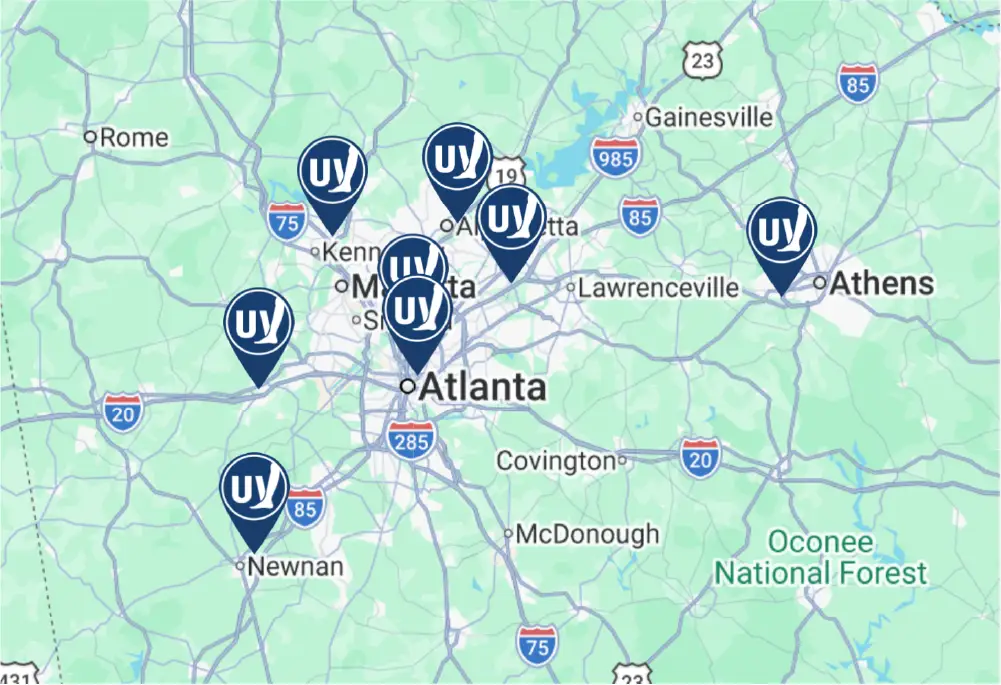
Atlanta Area Clinic Locations
United Vein & Vascular Centers serves patients throughout the Atlanta area, including nearby communities in and around Buckhead, Duluth, Kennesaw, and other Atlanta-area locations.
Patients throughout the greater Atlanta area may choose a clinic based on convenience, commute, appointment availability, and proximity to home or work. This can be especially helpful if follow-up visits, diagnostic ultrasound, or multiple treatment appointments are recommended.
When choosing an Atlanta-area clinic, consider:
- How close the clinic is to your home or workplace
- Whether the location is convenient for follow-up visits
- Whether appointment times fit your schedule
- Whether you may need diagnostic testing after your screening
- Whether the clinic is easy to access from your daily routine
United Vein & Vascular Centers has several convenient vein clinics for you to choose from:
Vein Treatment Options
Treatment recommendations depend on your symptoms, ultrasound findings, vein anatomy, overall health, and treatment goals. Not every patient needs the same approach, and some patients may not need treatment immediately after screening.
If vein disease is identified, minimally invasive treatment options may be recommended.
Ablación por radiofrecuencia
Radiofrequency ablation, or RFA, uses controlled heat delivered through a thin catheter to close a diseased vein. Once the treated vein closes, blood naturally reroutes through healthier veins, helping reduce symptoms caused by venous reflux.
VenaSeal
VenaSeal™ is a minimally invasive vein treatment that uses a medical adhesive to close a diseased vein. Once the vein is sealed, blood reroutes through healthier veins, helping address symptoms related to venous reflux.
Varithena
Varithena® is an injectable foam treatment used to close certain diseased veins. The foam is delivered into the targeted vein, where it helps the vein collapse and close so blood can reroute through healthier veins.
Escleroterapia guiada por ultrasonidos
Ultrasound-guided sclerotherapy combines ultrasound imaging with targeted injections to locate affected veins in real time and guide a medical solution, called a sclerosant, directly into the targeted vein. This causes the vein to collapse and close, allowing blood to reroute through healthier veins.
This treatment may be used for problematic veins beneath the surface of the skin, including deeper varicose veins that may not be visible to the naked eye.
Microflebectomía
Microphlebectomy, also known as an ambulatory or stab phlebectomy, is a minimally invasive procedure that removes certain varicose veins through tiny punctures in the skin. It is often used for visible, bulging veins near the surface of the skin.
Your provider can explain which options may be appropriate based on your diagnostic findings and symptoms.
Are Free Vein Screenings Really Free?
Free vein screenings may be available for eligible patients, but there are important limitations.
Due to legal limitations, UVVC’s free screening offer cannot be extended to Medicare or Medicaid beneficiaries or other recipients of federal or state health care benefit programs. Free screenings are also not available to physician referrals. If your provider determines that additional evaluation is needed, a diagnostic ultrasound may be recommended and scheduled as a charged event.
Insurance coverage for vein treatment varies by plan, medical necessity, symptoms, and diagnostic findings. Patients should contact their insurance provider to verify benefits, coverage, referral requirements, and potential out-of-pocket costs.
When to Request a Vein Screening
You do not have to wait until symptoms become severe to seek answers. Many vein symptoms develop gradually and may be easy to dismiss until they begin affecting your comfort, mobility, sleep, or daily routine.
Consider requesting a vein screening if you have recurring leg swelling, heaviness, aching, visible varicose veins, spider veins with discomfort, restless legs, cramping, itching, burning, skin discoloration, or symptoms that worsen after sitting or standing.
A vein screening can help determine whether your symptoms may be related to venous reflux, chronic venous insufficiency, or another vein condition. If additional evaluation is needed, your provider may recommend the next appropriate step.
Preguntas frecuentes
During a vein screening, a provider or clinical team member may review your symptoms, medical history, and visible vein concerns. They may evaluate your legs for signs of vein disease and determine whether additional testing, such as diagnostic ultrasound, may be recommended.
Free vein screenings may be available for eligible patients. Due to legal limitations, the free screening offer cannot be extended to Medicare or Medicaid beneficiaries or other recipients of federal or state health care benefit programs. Free screenings are also not available to physician referrals.
You should consider a vein screening if you experience leg swelling, heaviness, aching, visible varicose veins, spider veins with discomfort, restless legs, cramping, itching, burning, skin discoloration, or symptoms that worsen after sitting or standing.
Insurance requirements can vary depending on your situation, symptoms, and whether additional diagnostic testing or treatment is recommended. A free screening may be available for eligible patients, but diagnostic ultrasound and treatment may be billed separately. Contact your insurance provider to confirm benefits, coverage, and referral requirements.
United Vein & Vascular Centers serves patients throughout the Atlanta area. View all of the Atlanta metro vein clinics here.
Take the Next Step Toward Understanding Your Vein Health
If you are searching for a free vein screening in Atlanta, GA, United Vein & Vascular Centers can help eligible patients take the first step toward understanding their symptoms. A screening can provide insight into whether visible veins, leg swelling, aching, heaviness, or other symptoms may be related to underlying vein disease.
Find a UVVC clinic in the Atlanta area and schedule a vein screening to learn which next steps may be appropriate for your symptoms.