

Contenido
- Q: Can exercise improve venous reflux?
- Q: How does walking help the legs feel better?
- Q: Which exercises support circulation?
- Exercises That May Benefit Patients with Venous Reflux
- Q: How can patients add more movement to their day?
- Q: When are exercise and lifestyle changes not enough?
- Q: How does exercise fit into a treatment plan?
- Preguntas frecuentes
- Learn What’s Contributing to Your Symptoms
Welcome back to Ask the Doc, an educational series from United Vein & Vascular Centers designed to provide clear, physician-led answers to common questions about vein and vascular health. Each week, a UVVC physician explains everyday symptoms and what they may mean medically.
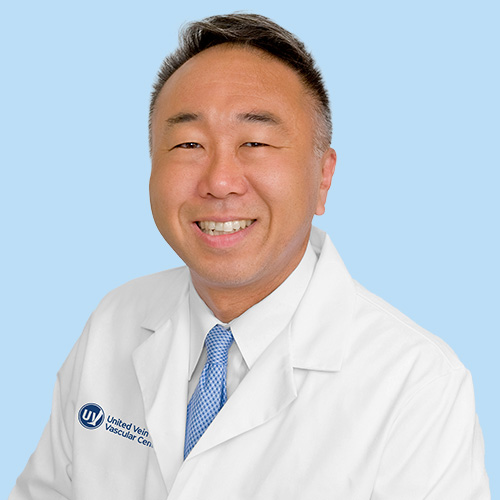
In this installment, Dr. Steven Kim, UVVC Board-Certified Internal Medicine, Venous & Lymphatic Medicine Specialist, answers a question many patients ask when looking for ways to improve circulation and manage leg discomfort: can exercise improve venous reflux?
Exercise can support circulation and may help reduce leg heaviness, aching, swelling, or fatigue by activating the muscles that move blood out of the legs. However, it cannot repair damaged vein valves or reverse venous reflux.
That distinction is important when deciding how exercise fits into vein care. Staying active may make symptoms easier to manage, but persistent discomfort can be a sign that lifestyle changes are not addressing the vein problem itself.
Dr. Kim explains why movement can help, which exercises may be beneficial, and when ongoing symptoms may need to be evaluated.
Q: Can exercise improve venous reflux?
Dr. Kim:
Exercise can improve the way blood circulates through the legs while the muscles are active, but it cannot eliminate venous reflux.
Venous reflux develops when valves inside the veins become weakened or damaged. Instead of keeping blood moving toward the heart, the affected valves allow some blood to flow backward and collect in the legs.
Exercise does not restore those valves. What it can do is activate the surrounding muscles that help move blood upward. Some patients may notice that their legs feel lighter, less swollen, or less tired when they remain active.
The level of improvement will vary. Exercise may provide meaningful symptom relief for one patient while another continues to experience discomfort despite walking or working out regularly.
Q: How does walking help the legs feel better?
Dr. Kim:
Walking activates the calf muscle pump, which helps move blood from the lower legs back toward the heart. Each step causes the calf muscles to contract and gently squeeze nearby veins, giving the blood an additional push upward against gravity.
The calf muscle pump works alongside the valves inside the veins to support circulation. When a person remains seated or standing in one position for an extended period, those muscles are less active. Blood and fluid may remain in the lower legs longer, making swelling, heaviness, or aching more noticeable.
Walking encourages the calf muscles to contract repeatedly. It does not have to be a long or intense walk to create movement. Brief walking breaks throughout the day can be especially useful for patients who spend many hours at a desk, in a car, or standing in one place.

Q: Which exercises support circulation?
Dr. Kim:
Walking, cycling, swimming, calf raises, and ankle pumps may all support circulation by keeping the legs moving. The most helpful activity is generally one that matches the patient’s mobility, health, and comfort level and can be performed consistently.
Exercises That May Benefit Patients with Venous Reflux
| Activity | Potential Benefit |
| Caminar | Activates the calf muscle pump and helps move blood out of the lower legs |
| Ciclismo | Keeps the legs moving with relatively little impact on the joints |
| Natación | Engages the legs while the surrounding water provides gentle pressure |
| Calf raises | Directly activates the muscles that help push blood upward |
| Ankle pumps | Encourages movement in the feet and lower legs while sitting |
| Gentle stretching | Helps maintain ankle flexibility and range of motion |
Walking is often a practical starting point because it requires little equipment and can be divided into shorter sessions. Cycling and swimming may be comfortable alternatives for patients who prefer lower-impact activity.
Ankle pumps can also be performed while sitting. Moving the toes away from the body and then drawing them back toward the shins activates the muscles in the lower legs. Calf raises create a similar effect by lifting and lowering the heels while standing near a stable surface for support.
These exercises can support the calf muscle pump, but they should remain within a comfortable range. Pain should not be treated as a sign that an exercise is working.
Q: How can patients add more movement to their day?
Dr. Kim:
Patients can support circulation by breaking up long periods of sitting or standing with manageable amounts of movement. Consistency is often more realistic and useful than trying to complete one demanding workout.
That may mean taking a short walk during a lunch break, standing and moving between meetings, performing ankle pumps while traveling, or completing a few calf raises near a counter. Someone who is not accustomed to regular exercise may begin with shorter periods of activity and gradually increase them as tolerated.
The appropriate amount of exercise is different for everyone. Current fitness level, mobility, joint health, symptoms, and other medical conditions should all be considered. Patients with significant swelling, balance problems, limited mobility, or heart, lung, joint, or circulation conditions should speak with their healthcare provider before beginning a new routine.
Exercise should also be adjusted if a particular activity repeatedly increases pain, swelling, or heaviness. A lower-impact option or a shorter duration may be more appropriate.
Q: When are exercise and lifestyle changes not enough?
Dr. Kim: Exercise may not be enough when leg symptoms continue, worsen, or regularly interfere with work, sleep, mobility, or other daily activities. A person can remain physically active and still have venous reflux that requires further evaluation.
Symptoms that may warrant a vein screening include:
- Recurring leg or ankle swelling
- Aching, throbbing, or heaviness
- Legs that feel tired or fatigued
- Restless legs or nighttime discomfort
- Itching, burning, or tenderness
- Varices visibles
- Skin discoloration near the ankles
- Symptoms that become more noticeable later in the day
Continued symptoms do not mean that exercise has no value. Movement can still support circulation and overall health. However, it may not be sufficient to manage the effects of chronic venous insufficiency, or CVI, when damaged valves allow blood to continue pooling in the legs.
Exercise should support a patient’s care, not delay an evaluation when symptoms are persistent or changing.

Q: How does exercise fit into a treatment plan?
Dr. Kim: Exercise may complement a treatment plan by helping patients remain active, supporting the calf muscle pump, and managing certain symptoms. The rest of the plan depends on what is causing the symptoms and what a diagnostic ultrasound shows.
A physician may recommend a combination of regular movement, leg elevation, compression stockings, adjustments to daily routines, weight management, or a minimally invasive vein procedure. These recommendations should be based on the patient’s symptoms, medical history, vein anatomy, and ultrasound findings.
When a minimally invasive vein procedure is recommended, the goal may be to close an unhealthy vein so blood can reroute through healthier veins. Exercise may continue to support mobility and circulation, but it serves a different purpose from the procedure.
Not every patient with leg discomfort needs treatment. A vein screening is the first step in determining whether symptoms may be related to vein disease and whether a diagnostic ultrasound is appropriate.
Preguntas frecuentes
No. Walking can activate the calf muscle pump and help manage symptoms, but it cannot restore damaged valves or reverse venous reflux. A patient’s legs may feel better with regular walking even though backward blood flow remains present.
Running may be appropriate for some patients with CVI, depending on their symptoms, fitness level, mobility, and overall health. Patients who notice greater pain, swelling, or heaviness during or after running may be more comfortable with walking, cycling, swimming, or another lower-impact activity.
There is no single exercise that every patient with venous reflux must avoid. Activities may need to be modified if they consistently worsen symptoms, require excessive straining, or cannot be performed safely. Patients should ask their healthcare provider for individualized guidance when another medical or mobility concern is present.
Regular movement throughout the day may help prevent long periods of inactivity. Short walks, ankle pumps, and other comfortable exercises can be incorporated at different times rather than completed in one long session. The appropriate frequency and intensity depend on the patient’s current health and activity level.
Exercise cannot replace treatment when venous reflux is causing persistent symptoms and a physician determines that a procedure is appropriate. It can complement vein care, but it does not correct the damaged valves responsible for backward blood flow.
Learn What’s Contributing to Your Symptoms
Exercise can support circulation and help some patients manage symptoms of venous reflux, but it cannot reverse the condition. If leg heaviness, aching, swelling, fatigue, or visible veins continue despite staying active, a vein screening can help determine whether further evaluation may be appropriate.
If you are experiencing symptoms that may be related to vein disease, schedule a screening with United Vein & Vascular Centers to learn more about what may be contributing to your discomfort.
Next week, Dr. Kyle Herron will discuss why drinking can cause leg pain and what it could mean.
Medically reviewed by Dr. Domenic Zambuto, National Medical Director at United Vein & Vascular Centers. Board-certified in vascular and interventional radiology, Dr. Zambuto has more than 20 years of experience treating vascular disease and helping patients manage complex vein and circulatory conditions.