
Welcome back to Ask the Doc, an educational series from United Vein & Vascular Centers designed to provide clear, medically grounded answers to common questions about vein and vascular health. Each week, a UVVC physicianexplains what symptoms really mean, when they’re a concern, and how modern, minimally invasive treatments can help.
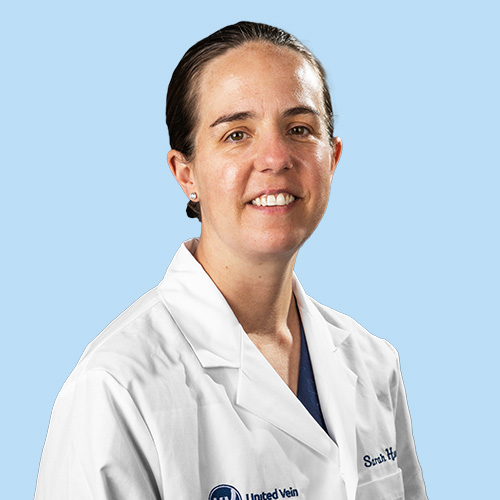
In this installment, Dr. Sarah Donnelly Hans addresses a question many patients ask after noticing visible veins:
“When should I actually worry about varicose veins and when is treatment needed?”
Dr. Donnelly Hans:
Varicose veins are enlarged, twisted veins that most commonly appear in the legs. They develop when the valves inside the veins weaken, allowing blood to flow backward and pool instead of moving efficiently toward the heart. This increased pressure causes the veins to stretch, bulge, and become visible beneath the skin.
While varicose veins are often associated with appearance, they are frequently a sign of Chronic Venous Insufficiency, a medical condition that can progress over time if left untreated.
Dr. Donnelly Hans:
Not all varicose veins require treatment right away. In some cases, veins may be visible but not cause discomfort or other symptoms. When varicose veins are:
– small
– stable in appearance
– not painful
– not associated with swelling or skin changes
they may simply be monitored over time.
That said, even symptom-free varicose veins should be evaluated at least once, as underlying vein dysfunction can be present before symptoms become noticeable.
Dr. Donnelly Hans:
Warning signs that involve skin changes are an important indicator that vein disease is progressing.
Certain symptoms indicate that varicose veins may be progressing beyond a cosmetic issue and should be medically evaluated. These warning signs include:
– Persistent leg pain or aching
– Swelling in the ankles or calves
– Heaviness or fatigue after standing
– Itching, dryness, or skin discoloration
– Nighttime leg cramps
– Skin thickening or hardening
– Open sores or ulcers near the ankles
When these symptoms appear, they often signal worsening venous circulation and should not be ignored.
Dr. Donnelly Hans:
Yes. Untreated varicose veins and venous insufficiency can lead to complications over time. These may include chronic swelling, skin damage, inflammation, bleeding from fragile veins, or venous ulcers that are slow to heal.
Early evaluation and treatment can help reduce the risk of these complications and improve long-term leg health.
Dr. Donnelly Hans:
Treatment is typically recommended when varicose veins cause symptoms, interfere with daily activities, or lead to skin changes or complications. The goal of treatment is not just cosmetic improvement, it’s restoring healthy circulation and preventing progression.
If varicose veins are painful, worsening, or affecting quality of life, treatment is often the next appropriate step.
Dr. Donnelly Hans:
Modern varicose vein treatment is minimally invasive and very different from older surgical approaches. Most treatments focus on closing or redirecting blood away from damaged veins so healthier veins can restore normal circulation.
Today’s options may include procedures such as sclerotherapy, vein ablation, or targeted removal of problem veins. These treatments are typically performed in an outpatient setting using local anesthesia, involve minimal downtime, and are effective at relieving symptoms while improving the appearance of the legs. Treatment plans are personalized based on ultrasound findings, symptoms, and overall vein health.
Dr. Donnelly Hans:
In many cases, yes. When varicose veins are associated with symptoms such as pain, swelling, skin changes, or ulcers, treatment is often considered medically necessary and may be covered by insurance. Coverage depends on individual plans and clinical findings, which are reviewed before treatment begins.
Dr. Donnelly Hans:
You should consider seeing a vein specialist if you notice:
– worsening leg discomfort or heaviness
– swelling that doesn’t improve overnight
– skin discoloration or texture changes
– visible veins becoming larger or painful
– symptoms that interfere with sleep or daily activities
A specialist can determine whether symptoms are related to vein disease and recommend appropriate next steps.
What’s Next in the Ask the Doc Series
Ask the Doc was created to help patients better understand the full scope of vein and vascular health, from early symptoms and visible changes to diagnosis and treatment decisions. Each week, a UVVC physician answers real patient questions to help guide informed, confident care.
Next up in the Ask the Doc series, Dr. Nabiel Azar will break down what a vein specialist actually treats, helping patients understand when vein care is appropriate, what conditions fall under vascular medicine, and when seeing a specialist can make a difference. If you’re experiencing symptoms and want answers sooner, you can find a United Vein & Vascular Centers clinic near you and schedule an evaluation with one of our specialists.
Medically reviewed by Dr. Domenic Zambuto, National Medical Director at United Vein & Vascular Centers. Board-certified in vascular and interventional radiology, Dr. Zambuto has more than 20 years of experience treating vascular disease and helping patients manage complex vein and circulatory conditions.