
Welcome back to Ask the Doc, an educational series from United Vein & Vascular Centers designed to provide clear, physician-led answers to common questions about vein and vascular health. Each week, a UVVC physician explains symptoms patients often notice, what they mean medically, and how modern minimally invasive treatments can help.
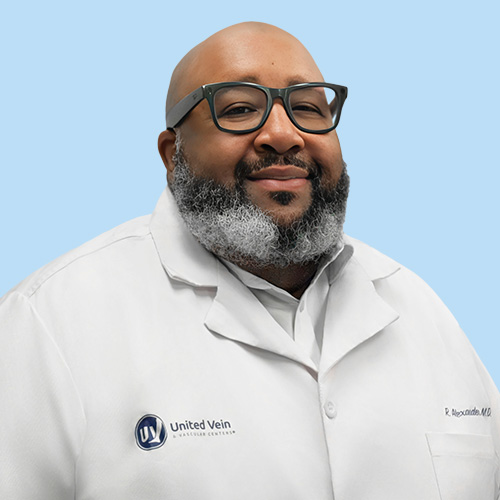
In this installment, Dr. Richard Alexander answers a question many patients struggle with:
“How do I know when varicose veins are more than cosmetic, and when medical treatment or surgery is the right step?”
Cosmetic Varicose Veins
Dr. Alexander:
Varicose veins are considered more than cosmetic when they’re accompanied by symptoms or signs of underlying vein dysfunction. While some people have visible veins without discomfort, many patients experience symptoms that indicate chronic venous insufficiency (CVI).
Signs that varicose veins may require medical evaluation include:
– aching, heaviness, or fatigue in the legs
– swelling in the ankles or calves
– burning, itching, or throbbing sensations
– symptoms that worsen after standing or at night
– skin discoloration or texture changes
– veins that continue to enlarge over time
When these symptoms are present, the issue isn’t just appearance, it’s circulation.
Vein Treatment Options Before Surgery

Dr. Alexander:
Most patients are surprised to learn that traditional surgery is rarely the first step today. Modern vein care focuses on minimally invasive treatments that address the root cause, faulty vein valves, without large incisions.
Non-surgical and minimally invasive options may include:
– Compression therapy to manage symptoms
– Ultrasound-guided vein ablation to close diseased veins
– Injectable vein treatments to redirect blood flow
– Lifestyle guidance to reduce venous pressure
These treatments are typically performed in an outpatient setting and allow patients to return to normal activities quickly.
Surgical Treatment for Varicose Veins
Dr. Alexander:
Surgical intervention, most commonly phlebectomy, or microphlebectomy, is recommended when varicose veins are large, bulging, and symptomatic, or when they persist after underlying reflux has been treated.
Microphlebectomy involves removing surface varicose veins through very small openings in the skin. It’s often used in combination with other minimally invasive treatments to achieve the best medical and cosmetic outcome.
This approach is far less invasive than older vein-stripping surgeries and is carefully selected based on each patient’s anatomy, symptoms, and diagnostic findings. is developing or progressing.
When to Seek Professional Help
Dr. Alexander:
Recovery today is dramatically different from what patients remember from older vein surgeries. Traditional vein stripping required general anesthesia, hospital stays, and extended downtime.
With modern techniques:
– procedures are typically outpatient
– only local anesthesia is needed
– patients walk immediately after treatment
– downtime is minimal
– scarring is minimal or nonexistent
Most patients return to normal activities within days while experiencing relief from symptoms that may have lasted for years.
What’s Next in the Ask the Doc Series
Ask the Doc was created to help patients understand the full spectrum of vein and vascular health, from early warning signs and visible changes to diagnosis and modern treatment options. Each week, a UVVC physician answers real patient questions to support informed, confident vein care decisions.
Up next, Dr. Kevin Petermann will address another common concern: why legs may feel swollen or cold and how to tell whether the cause is a vein problem or something else entirely. If you’re already experiencing symptoms and want answers sooner, you can find a United Vein & Vascular Centers clinic near you and schedule an evaluation with one of our vein specialists.
Medically reviewed by UVVC National Medical Director, Dr. Domenic Zambuto