
Welcome back to Ask the Doc, an educational series from United Vein & Vascular Centers designed to provide clear, physician-led answers to common questions about vein and vascular health. Each week, a UVVC physician breaks down symptoms patients often notice and explains what they may mean medically.
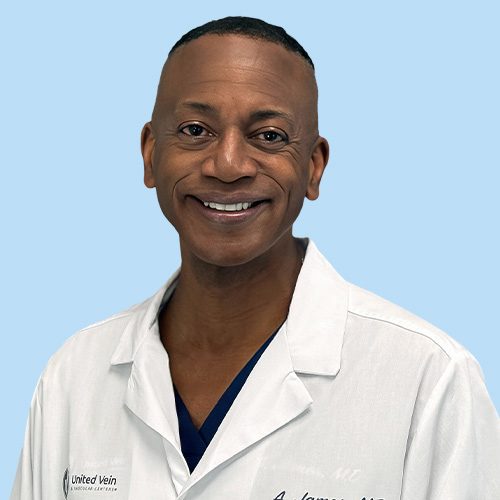
In this installment Dr. Arthur James addresses an important question many patients face:
“How do I know if my varicose veins are getting worse and when is treatment actually needed?”
Dr. James:
Yes, varicose veins are typically progressive. They develop because vein valves weaken over time, allowing blood to flow backward and pool in the legs. Without treatment, that pressure continues to build.
Some patients may notice only mild changes at first, while others experience worsening symptoms more quickly. Progression varies, but the underlying issue, valve dysfunction, does not resolve on its own.
Dr. James:
There are several signs that varicose veins are progressing beyond a cosmetic concern. These include:
· increasing leg heaviness or aching
· swelling in the ankles or lower legs
· veins that become larger, more twisted, or more painful
· symptoms that worsen after standing or later in the day
· nighttime discomfort or restlessness
· itching, burning, or throbbing around visible veins
When symptoms escalate or begin interfering with daily life, it’s often a sign that underlying venous disease is advancing.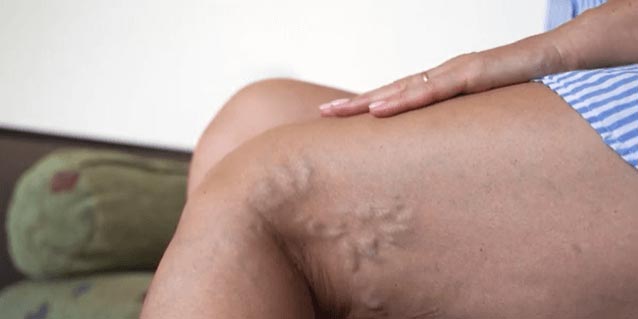
Dr. James:
Absolutely. Skin changes are an important indicator that vein disease is progressing.
Patients may notice:
· darkening or discoloration around the ankles
· skin that feels tight, dry, or itchy
· thickened or hardened areas near the lower leg
· slow-healing wounds or irritation
These changes occur when long-standing venous pressure damages the surrounding tissue and should always prompt medical evaluation.
Dr. James:
Treatment is recommended when varicose veins cause symptoms, complications, or functional limitations, not just because they’re visible.
You should consider treatment if:
· symptoms persist or worsen
· swelling no longer improves overnight
· skin changes are developing
· veins become painful or inflamed
· discomfort interferes with sleep or activity
· ulcers or sores appear near the ankles
Early treatment can relieve symptoms, slow progression, and reduce the risk of complications.
Dr. James:
Modern varicose vein treatment is minimally invasive and very different from older surgical approaches. Today’s treatments focus on closing or redirecting blood away from damaged veins so healthier veins can restore normal circulation. These procedures are typically performed in an outpatient setting using local anesthesia, require little to no downtime, and are highly effective at relieving symptoms while improving the appearance of varicose veins. Treatment may include techniques such as vein ablation, injectable therapies, or targeted removal of problem veins, depending on the findings of a venous ultrasound, the severity of symptoms, and a patient’s overall vein health.
What’s Next in the Ask the Doc Series
Ask the Doc was created to help patients understand the full spectrum of vein and vascular health, from early warning signs and visible changes to diagnosis and modern treatment decisions. Each week, a UVVC physician answers real patient questions to support informed, confident care.
Up next, Dr. David Stone will break down a common source of confusion for patients: whether leg symptoms are coming from poor circulation, nerve issues, or vein disease, and how specialists tell the difference. If you’re already experiencing symptoms and want answers sooner, you can find a United Vein & Vascular Centers clinic near you and schedule an evaluation with one of our specialists.
Medically reviewed by Dr. Domenic Zambuto, National Medical Director at United Vein & Vascular Centers. Board-certified in vascular and interventional radiology, Dr. Zambuto has more than 20 years of experience treating vascular disease and helping patients manage complex vein and circulatory conditions.