Lymphedema is a chronic condition that affects millions of people worldwide. It occurs when the lymphatic system, responsible for draining excess fluid and waste from the body, is not functioning properly. This impaired drainage can cause fluid to accumulate, most often in the arms or legs.
For those living with lymphedema, understanding the sensations associated with this condition is important. Pain and discomfort from lymphedema can range from mild heaviness to significant swelling and throbbing, and these symptoms can affect mobility, daily activities, and overall quality of life.
What Does Lymphedema Pain Feel Like?
Lymphedema pain can be difficult to describe because it varies widely from patient to patient. While some people experience sharp or throbbing pain, others report only a dull heaviness or tightness. Many patients notice multiple sensations at once, making daily life unpredictable and sometimes frustrating.
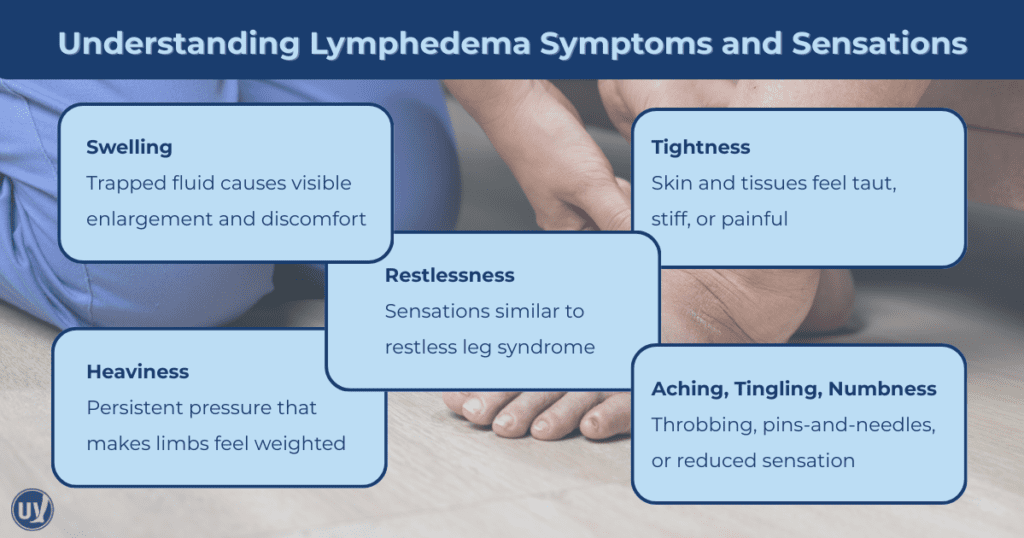
Some of the most common sensations reported by lymphedema sufferers include:
Swelling
Swelling is the hallmark symptom of lymphedema. When lymphatic fluid is unable to properly drain through the lymph nodes, it becomes trapped in the affected limb. This accumulation causes noticeable enlargement and puffiness.
Swelling can feel uncomfortable, heavy, or painful, and it may fluctuate throughout the day. For some patients, even mild swelling can restrict movement or make clothing and shoes feel tight. In more severe cases, the swelling can lead to skin changes, including hardening or thickening of the tissues, a condition called fibrosis.
Heaviness
Many lymphedema patients describe a persistent sense of heaviness in the affected limb. Unlike sharp pain, this sensation feels like a constant pressure that weighs the limb down.
Heaviness can interfere with walking, running, or standing for long periods. Some patients even find that it impacts their posture and balance, making daily tasks more tiring than usual. Over time, the physical weight combined with emotional stress can significantly impact quality of life.
Restlessness
Some people with lymphedema experience a restless sensation in their limbs, including symptoms similar to restless leg syndrome. This can cause a constant urge to move or stretch the affected area.
Restlessness often worsens at night, leading to disrupted sleep. Patients may find themselves repeatedly repositioning their legs or arms to relieve discomfort. This type of symptom highlights how lymphedema affects both physical and mental well-being.
Aching, Tingling, and Numbness
Aching is another common sensation, often described as a dull, throbbing discomfort. In addition, some patients experience tingling or “pins and needles” in the swollen area. Reduced sensation or numbness may also occur as pressure builds on nerves and tissues.
These sensations can make fine motor tasks, walking, or even light exercise difficult. They also underscore the importance of timely evaluation and treatment, as untreated lymphedema can lead to increased nerve compression or tissue damage.
Tightness
Tightness in the skin and underlying tissues is another hallmark of lymphedema. The trapped fluid stretches the skin, causing it to feel taut, shiny, or stiff.
For some patients, tightness can be mildly uncomfortable; for others, it can be painful, especially when bending or moving the affected limb. Over time, the skin may become more fragile, making it prone to cracking or infection. Tightness can also make wearing clothing, compression garments, or shoes more challenging.
How Lymphedema Affects Daily Life
Lymphedema is more than just physical discomfort—it can significantly impact daily life. Many patients report difficulty performing simple activities such as:
- Walking, standing, or climbing stairs
- Exercising or participating in sports
- Wearing regular clothing, shoes, or jewelry comfortably
- Sleeping due to nighttime discomfort or restlessness
For patients with more severe cases, lymphedema can affect confidence and emotional well-being. Living with chronic swelling and pain can lead to stress, frustration, and social anxiety. That is why a comprehensive care plan from a specialized vein and vascular center is crucial.
Diagnosing Lymphedema
Proper diagnosis is the first step toward managing lymphedema effectively. At United Vein & Vascular Centers, specialists begin with a thorough evaluation of the patient’s medical history and symptoms.
The physical examination often includes:
- Measuring limb circumference to assess swelling
- Checking for skin changes, tightness, or fibrosis
- Evaluating mobility and range of motion
Diagnostic imaging, such as ultrasound, lymphoscintigraphy, or MRI, may be recommended to evaluate lymphatic function and rule out other causes of swelling. Early diagnosis ensures that patients can begin treatment before the condition progresses to more severe stages.
Treatment Options for Lymphedema
Lymphedema treatment focuses on reducing swelling, relieving discomfort, and improving lymphatic flow. The exact treatment plan depends on the severity of symptoms, the areas affected, and the patient’s overall health. Common options include:
Compression Therapy
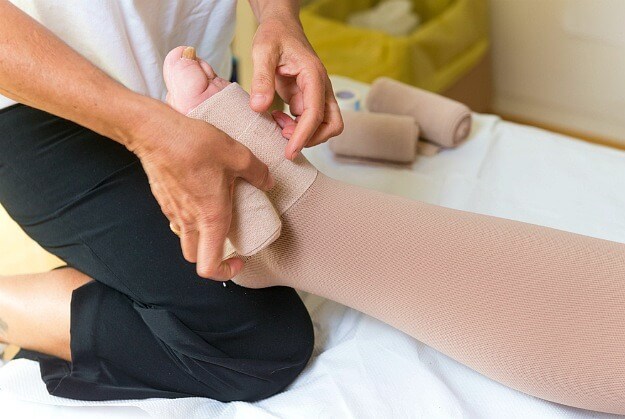
Wearing compression garments such as sleeves or stockings helps promote lymphatic drainage and reduce swelling. Properly fitted compression garments can also relieve heaviness and tightness, improving mobility and comfort.
Manual Lymphatic Drainage
This is a specialized massage technique performed by trained therapists to encourage lymph flow and reduce fluid accumulation. Manual lymphatic drainage can help decrease swelling and alleviate discomfort.
Exercise
Gentle, targeted exercises promote lymph circulation and help maintain limb strength and mobility. Activities such as walking, swimming, and light resistance training are often recommended.
Skincare and Infection Prevention
Because lymphedema can make the skin more fragile, proper skincare is essential. Moisturizing daily, inspecting the skin for cuts or infections, and avoiding extreme heat or cold can prevent complications like cellulitis.
Minimally Invasive Procedures
For more advanced cases, minimally invasive interventions may be recommended to improve lymphatic flow or remove excess tissue. These treatments are performed by specialized vascular teams and often allow for faster recovery than traditional surgery.
Support for Lymphedema Patients
Coping with lymphedema can be challenging, both physically and emotionally. Support from healthcare providers, family, and patient communities is crucial. Online and local support groups provide resources, tips, and encouragement for managing daily life with lymphedema.
Understanding the condition, receiving expert care, and maintaining a support system can empower patients to lead active, fulfilling lives despite chronic symptoms.
Frequently Asked Questions
Lymphedema is a chronic condition, and while there is no permanent cure, effective management strategies—like compression therapy, manual lymphatic drainage, and minimally invasive procedures—can significantly reduce symptoms and improve quality of life.
Pain varies depending on severity, location, and activity. Some patients experience persistent heaviness or tightness, while others have intermittent aching, tingling, or swelling that worsens with prolonged standing or activity.
Yes. While it most commonly affects one limb, lymphedema can occur in both arms or both legs and, in rare cases, may affect multiple areas, including the chest, neck, or genitals. Early evaluation helps prevent progression.
Contact UVVC for Lymphedema Care
You do not have to live with the discomfort, swelling, or heaviness that lymphedema causes. At United Vein & Vascular Centers, our specialists provide comprehensive care tailored to each patient’s needs.
We work with you to:
- Reduce swelling and discomfort
- Improve mobility and daily activity performance
- Protect your skin and prevent complications
- Enhance your overall quality of life
Schedule a consultation at a clinic near you today to learn more about lymphedema, discuss your symptoms, and receive a personalized care plan from experienced vascular specialists. Take the first step toward relief and improved vascular health with UVVC.
Take the first step toward better circulation and healthier legs. Our board-certified specialists provide minimally invasive treatments for varicose veins, poor circulation, and vascular conditions—most procedures take just 20-30 minutes.Schedule Your Vein & Vascular Consultation