Contents
- Understanding the Goal of Vein Treatment
- How Sclerotherapy Works
- How Vein Ablation Works
- When Doctors Recommend Sclerotherapy
- When Vein Ablation May Be Needed
- When Sclerotherapy and Vein Ablation Are Used Together
- How Ultrasound Helps Determine the Right Treatment
- Frequently Asked Questions
- Choosing the Right Path for Treatment
If you’re considering treatment for varicose veins or medically related spider veins, you may come across options like sclerotherapy and vein ablation. While both are minimally invasive and effective, they are used for different types of vein issues and serve different purposes in treating vein disease.
Understanding when one treatment is enough, and when a more comprehensive approach is needed, can help you make more informed decisions about your care. By learning how these treatments work and what they’re designed to address, you can better understand which option may be right for your symptoms and vein health.
Understanding the Goal of Vein Treatment
The primary goal of vein treatment is to improve circulation by addressing veins that are not functioning properly. When vein valves weaken or fail, blood can begin to pool in the legs, leading to symptoms such as swelling, heaviness, aching, and visible varicose or spider veins.
Treatment focuses on closing these damaged veins so blood can be redirected to healthier ones. This helps reduce pressure in the veins, relieve symptoms, and improve overall vein health. The type of treatment recommended depends on the size of the veins involved and the underlying cause of the issue.
How Sclerotherapy Works
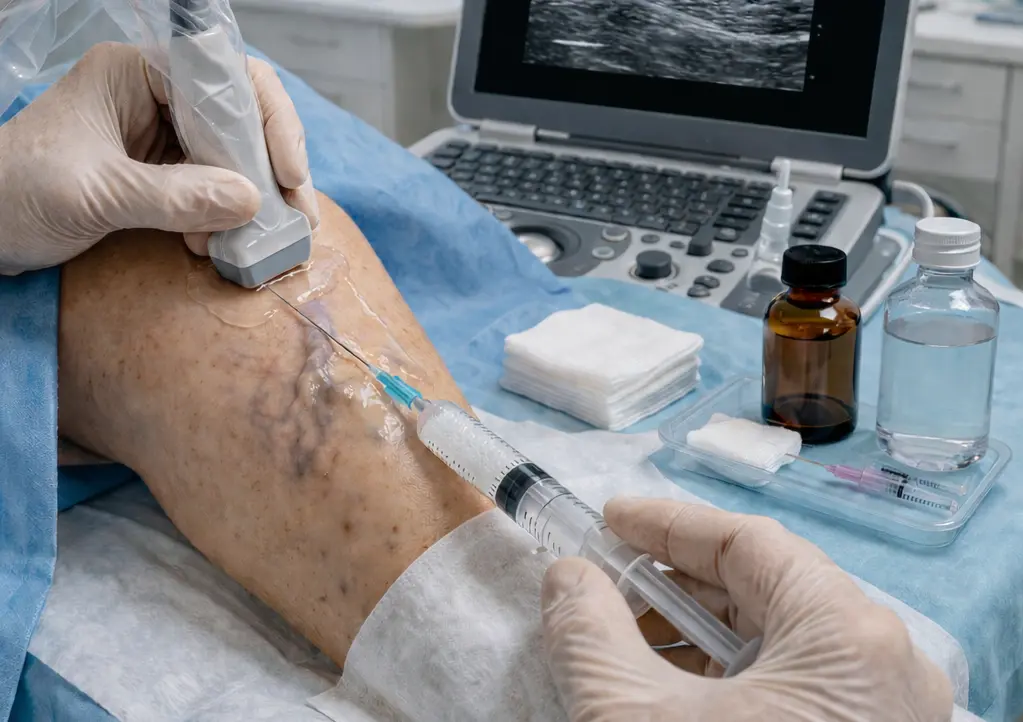
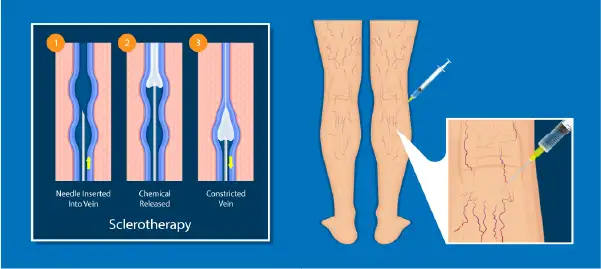
Sclerotherapy is a minimally invasive treatment commonly used for smaller varicose veins and spider veins. During the procedure, a specialized medical solution is injected directly into the affected vein. This solution irritates the vein lining, causing it to collapse and seal shut.
Over time, the treated vein is naturally absorbed by the body, and blood flow is redirected to healthier veins. Sclerotherapy is typically performed in an outpatient setting and does not require incisions. It is often used to improve both symptoms and the appearance of smaller surface veins.
How Vein Ablation Works
Vein ablation is designed to treat larger veins that are affected by venous reflux. Procedures such as radiofrequency ablation (RFA) or other minimally invasive techniques use heat or medical adhesive to close the damaged vein from the inside.
A small catheter is inserted into the vein under ultrasound guidance, and energy or adhesive is applied along the length of the vein to seal it shut. Once closed, blood is rerouted to healthier veins, helping improve circulation and reduce symptoms. Vein ablation targets the underlying source of the problem, especially when larger veins are involved.
When Doctors Recommend Sclerotherapy
Sclerotherapy is typically recommended when the affected veins are smaller and closer to the surface of the skin. It is often used for spider veins or smaller varicose veins that are not caused by significant underlying reflux.
Patients who are primarily concerned with mild symptoms or the appearance of visible veins may benefit from sclerotherapy alone. In these cases, the treatment can help improve both comfort and appearance without the need for more advanced procedures.

When Vein Ablation May Be Needed
Vein ablation is often recommended when there is evidence of venous reflux in larger veins, such as the great or small saphenous veins. These veins play a major role in circulation, and when they are not functioning properly, they can contribute to more significant symptoms.
Patients experiencing persistent leg pain, swelling, heaviness, or more prominent varicose veins may require ablation to address the root cause of the issue. Treating the underlying reflux can help prevent symptoms from progressing and reduce the likelihood of new varicose veins forming.
When Sclerotherapy and Vein Ablation Are Used Together
In many cases, the most effective approach to treating vein disease involves using both sclerotherapy and vein ablation as part of a comprehensive treatment plan. These treatments target different parts of the vein system and are often performed in stages to achieve the best results.
Vein ablation is typically used first to treat larger, underlying veins affected by venous reflux. By closing these larger “feeder” veins, blood flow is redirected and excess pressure on the smaller surface veins is reduced. Once the underlying issue is addressed, sclerotherapy can then be used to treat the remaining smaller veins closer to the surface.
This step-by-step approach allows providers to treat the source of the problem first, followed by the visible veins that remain. By addressing both the larger and surface veins, combination treatment can improve circulation, reduce symptoms, and enhance overall appearance more effectively than using either treatment alone.
How Ultrasound Helps Determine the Right Treatment
A duplex ultrasound is an essential part of diagnosing vein disease and determining the most appropriate treatment. This non-invasive imaging test allows specialists to evaluate how blood flows through the veins and identify areas where valves are not working properly.
By mapping the vein system, ultrasound helps providers understand whether symptoms are coming from smaller surface veins or larger underlying veins. This information guides treatment decisions and ensures that the chosen approach targets the source of the problem for the best possible outcome.
Frequently Asked Questions
Sclerotherapy involves injecting a medical solution into smaller veins to close them, while ablation uses heat or adhesive delivered through a catheter to treat larger veins affected by reflux.
Ablation is not necessarily “stronger,” but it is used for larger veins and underlying reflux, while sclerotherapy is typically used for smaller surface veins.
Yes, in many cases both treatments are used together. Ablation may treat the underlying vein, while sclerotherapy addresses smaller visible veins.
It depends on the size and cause of the varicose veins. Larger veins with reflux often require ablation, while smaller veins may be treated with sclerotherapy.
Doctors use a combination of symptom evaluation and duplex ultrasound imaging to assess vein function and determine the most appropriate treatment plan.
Choosing the Right Path for Treatment
Sclerotherapy and vein ablation are both effective, minimally invasive treatments, but they are used for different types of vein issues. While sclerotherapy is often appropriate for smaller, surface-level veins, ablation is typically needed to treat larger veins affected by venous reflux.
If you’re experiencing symptoms such as leg pain, swelling, or visible veins, a professional evaluation can help determine which treatment is right for you. At United Vein & Vascular Centers (UVVC), our specialists provide comprehensive vein evaluations and personalized treatment plans designed to improve circulation and relieve symptoms.
Take the next step toward clearer, more comfortable legs by scheduling a vein evaluation with a UVVC specialist and exploring the treatment options best suited to your needs.