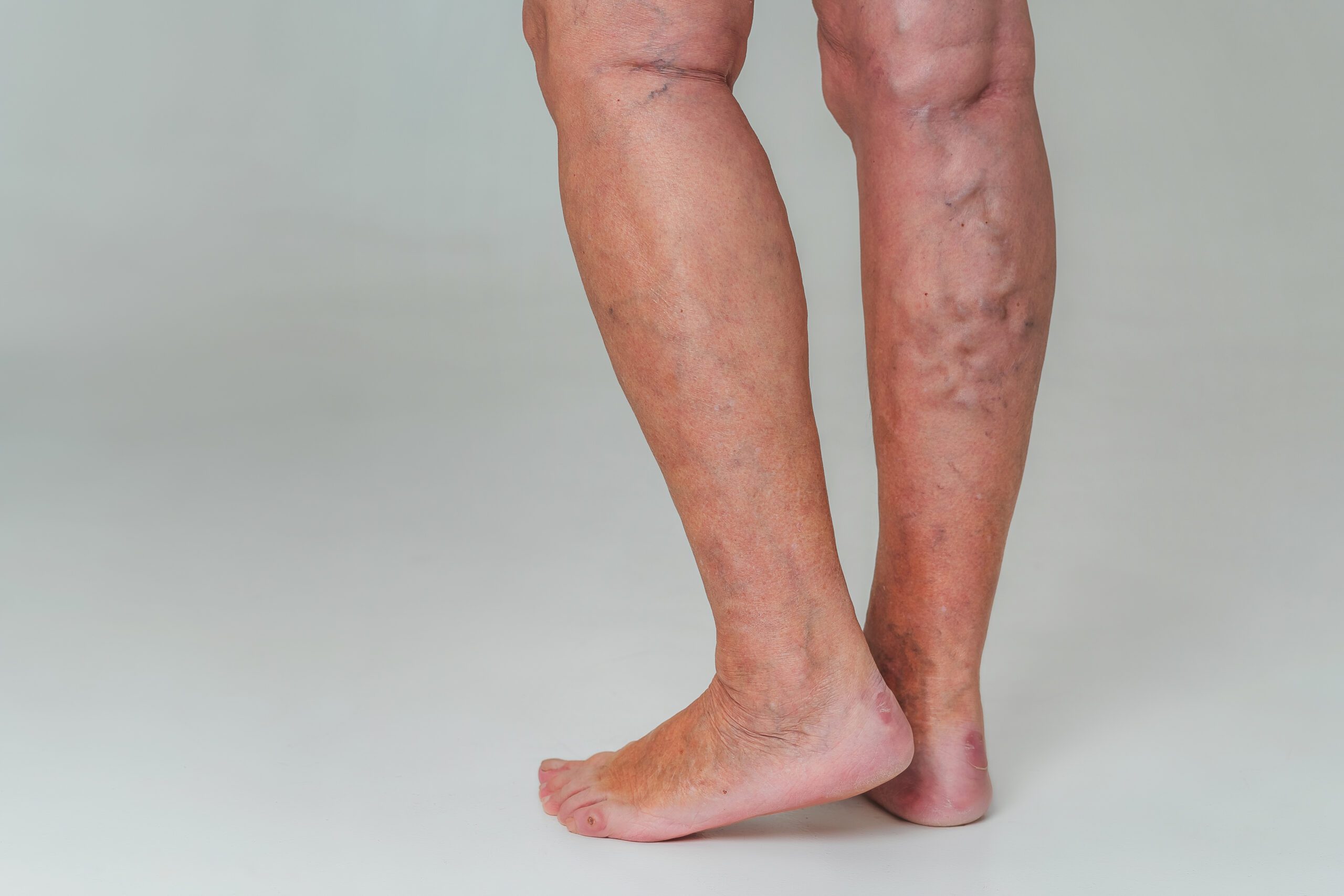
Large, bulging varicose veins can cause more than cosmetic concerns. They often lead to ongoing discomfort, heaviness, or tenderness in the legs and may worsen over time if left unaddressed. For veins that sit close to the surface and do not respond well to other treatments, removal may be the most effective approach.
Phlebectomy is a minimally invasive procedure used to remove damaged surface veins through tiny openings in the skin. By eliminating these problem veins, circulation is redirected to healthier veins, which can help reduce symptoms and improve overall leg comfort.
What Is Phlebectomy?
Phlebectomy, sometimes called ambulatory phlebectomy, stab phlebectomy, or microphlebectomy, is a procedure used to remove varicose veins that are close to the surface of the skin. It is often performed alongside other treatments that address deeper vein issues.
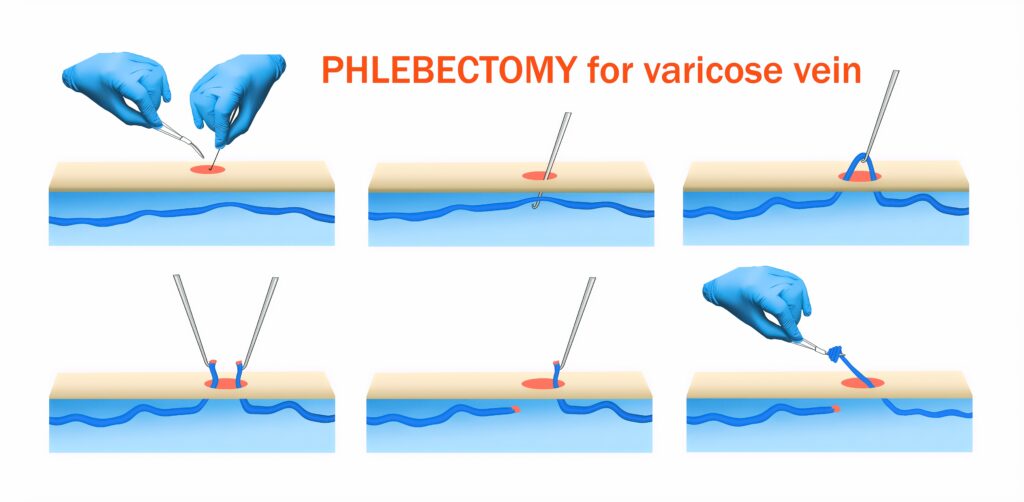
During the procedure, a vein specialist makes very small openings in the skin and carefully removes sections of the affected varicose vein. Because these openings are minimal, stitches are typically not required. Phlebectomy is often recommended for larger, bulging surface veins that may not fully respond to other minimally invasive vein treatments on their own.
How a Phlebectomy Procedure Works
Phlebectomy is typically performed in an outpatient setting using local numbing medication.
Here is what you can expect:
- The treatment area is numbed for comfort
- Tiny openings are made along the path of the vein
- The damaged vein is carefully removed in sections
- Small bandages are placed over the treatment sites
The procedure usually takes about an hour, depending on how many veins are treated.
Most patients walk immediately after the procedure and return home the same day.
What Symptoms Can Phlebectomy Help Relieve?
Phlebectomy is designed to treat visible varicose veins and related symptoms such as:
- Aching or heavy legs
- Throbbing or cramping
- Swelling in the lower legs
- Pain or tenderness along bulging veins
- Discomfort when standing for long periods
Removing these veins can also improve the appearance of the legs for many patients.
If you are experiencing symptoms from bulging veins, a vein evaluation can help determine the best treatment plan.
Benefits of Phlebectomy
Many patients choose phlebectomy because it is a minimally invasive procedure that removes problem veins through very small skin openings rather than large surgical incisions. It is performed in an outpatient setting and typically involves little downtime, allowing most patients to return to normal activities quickly. Phlebectomy can also be combined with other vein treatments when needed, particularly in cases where underlying vein reflux must be addressed.
Who Is a Good Candidate?
You may be a candidate for Phlebectomy if you:
- Have large, bulging varicose veins near the surface of the skin
- Experience pain, heaviness, or swelling from varicose veins
- Have already been evaluated for underlying vein reflux
- Want a minimally invasive treatment option
A comprehensive vein evaluation with ultrasound is needed to determine whether phlebectomy is the right option for you. At United Vein & Vascular Centers, our specialists use detailed imaging and personalized assessments to recommend the most appropriate treatment based on your symptoms and circulation.
Recovery After Phlebectomy
Recovery is usually straightforward. You may have mild bruising, swelling, or tenderness where veins were removed, but serious downtime is uncommon.
Most people are encouraged to walk soon after treatment and return to normal daily activities within a short period of time.
Your specialist will give you personalized aftercare instructions and schedule any follow-up visits.
Frequently Asked Questions
It is considered a minimally invasive procedure, not traditional surgery. It is performed through very small openings in the skin using local numbing medication.
Because the openings are very small, scarring is usually minimal and often fades over time.
Most patients return to normal activities quickly, often within a day or two, depending on the extent of treatment.
Yes. It is often combined with treatments that close deeper problem veins while Phlebectomy removes surface varicose veins.
Most insurance plans cover treatment when varicose veins cause medical symptoms. Your clinic can help check your benefits.
When Phlebectomy May Be the Right Solution
Large, bulging varicose veins are often a sign of an underlying circulation issue and can become more uncomfortable over time if left untreated. Addressing these veins may help relieve symptoms and improve overall leg health. Phlebectomy is one option used to treat problem surface veins when removal is the most effective approach.
Determining the right treatment starts with a professional vein evaluation. At United Vein & Vascular Centers, specialists use detailed ultrasound imaging and individualized assessments to guide care decisions. Exploring your options at a UVVC clinic can help you take a confident next step toward healthier, more comfortable legs.