Vein health often goes unnoticed until something feels off. Maybe your legs feel heavier at the end of the day, or you notice swelling that was not there before. For some, visible veins begin to bulge or twist beneath the skin, raising cosmetic concerns at first. Over time, those visual changes may be joined by discomfort, aching, or fatigue in the legs.
Venous disease is far more common than many people realize, and it affects adults of all ages. While conditions like varicose veins are often dismissed as a cosmetic issue, they can signal underlying problems in the vascular system that deserve attention. The good news is that modern vein care has advanced significantly. Today’s treatments are minimally invasive, highly effective, and designed to fit into everyday life with little disruption.
At United Vein & Vascular Centers, our board-certified physicians focus exclusively on diagnosing and treating venous conditions using evidence-based, patient-centered care. With locations across the country, we help patients understand what is happening in their veins and guide them toward treatment options that restore comfort, circulation, and confidence.
Understanding Venous Disease
Veins play a vital role in circulation by carrying blood back to the heart. Unlike arteries, veins rely on small valves to keep blood moving upward against gravity, especially in the legs. When these valves weaken or fail, blood can begin to pool in the vein rather than flowing efficiently. Over time, this increased pressure causes veins to stretch, twist, and become damaged.
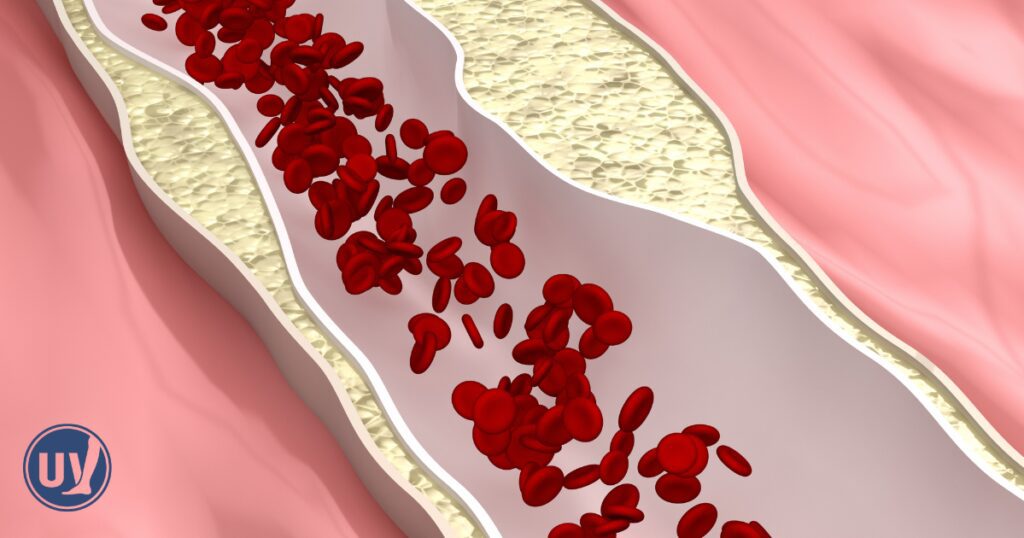
This process leads to a range of venous conditions, from mild spider veins to more advanced chronic venous insufficiency. Varicose veins are one of the most visible and commonly recognized signs of venous disease, but they are not the only symptom.
Common signs of venous disease include:
- Bulging or twisted veins visible beneath the skin
- Leg aching or heaviness, especially after long periods of standing or sitting
- Swelling in the ankles or lower legs
- Tightness, throbbing, or cramping sensations
- Skin changes such as discoloration or dryness
- Restlessness or discomfort that worsens throughout the day
Left untreated, venous disease can progress. What begins as mild discomfort can eventually interfere with mobility, sleep, and daily activities. Early evaluation allows specialists to address the problem before complications develop.
Are Varicose Veins Always a Medical Concern?
Not all visible veins require treatment, but it is important to understand when they are more than cosmetic. Varicose veins develop when blood flow becomes inefficient, and that inefficiency can worsen over time. Even if pain is minimal now, the underlying vein dysfunction may continue to progress.
In some patients, untreated venous disease can lead to persistent swelling, skin inflammation, or venous ulcers. These complications are more difficult to treat and can significantly impact quality of life. That is why a proper medical evaluation is essential, even if symptoms feel manageable.
What to Expect From a Vein Evaluation
Many people delay treatment because they fear surgery or assume recovery will be long and painful. In reality, modern vein care looks very different than it did years ago.
At United Vein & Vascular Centers, every patient begins with a comprehensive evaluation. This includes a detailed medical history, physical examination, and often a noninvasive ultrasound. Ultrasound imaging allows physicians to see how blood is flowing through the veins and identify exactly where valve dysfunction is occurring.
This diagnostic approach ensures that treatment is tailored to the individual rather than based on appearance alone. Once the source of the problem is identified, your physician will recommend a treatment plan designed to relieve symptoms and improve circulation.
The Experience of Modern Vein Procedures
One of the most reassuring aspects of vein care today is how straightforward treatment has become. Surgery is rarely needed and is reserved only for complex or advanced cases when other options are not appropriate.
Most vein treatments are minimally invasive and performed in an outpatient setting. Procedures are typically completed in under an hour, require only local anesthesia, and involve little discomfort. Patients are able to walk immediately after treatment and return to normal activities the same day in most cases.
Recovery is generally gentle and predictable. Some mild soreness or bruising may occur, but serious downtime is uncommon. Compression stockings may be recommended for a short period to support healing and circulation.
Common Vein Treatment Options
The type of procedure recommended depends on the size of the affected vein, its location, and how close it is to the surface of the skin. UVVC’s vein specialists select the least invasive option that will effectively treat the problem.
Radiofrequency Ablation Treatment
Radiofrequency ablation is commonly used to treat larger veins that are no longer functioning properly. During the procedure, a thin catheter is carefully guided into the affected vein using ultrasound imaging. Then, a radiofrequency energy is used to burn the diseased vein closed.
Once the vein is closed, blood is naturally redirected to nearby healthy veins, improving overall circulation. Over time, the treated vein is gradually absorbed by the body. Most patients experience noticeable symptom relief shortly after treatment, with minimal discomfort and a quick return to normal activities.
Sclerotherapy
Sclerotherapy is often used to treat smaller varicose veins and spider veins. A specialized solution is injected directly into the vein, causing it to collapse and close. The body gradually absorbs the treated vein, leaving clearer skin and improved circulation.
This procedure is quick and requires no incisions. Many patients return to daily activities immediately following treatment.
Microphlebectomy
Microphlebectomy is used for veins that are very close to the surface of the skin and are not ideal candidates for ablation or injection alone. Through tiny openings in the skin, the affected vein is gently removed.
The openings are so small that stitches are not required. Patients typically wear a bandage and compression stockings for a short period while the area heals. Results are often immediate and long-lasting.
Why Treating Venous Disease Matters
Treating venous disease is about more than improving appearance. Proper treatment reduces pressure in the veins, improves circulation, and relieves symptoms that interfere with daily life. Many patients report improved comfort, better mobility, and increased energy after treatment.
Addressing venous disease early also helps prevent progression to more serious conditions. Modern vein treatments are designed to be proactive rather than reactive, focusing on long-term vascular health.
Frequently Asked Questions
Are vein treatments painful?
Most modern vein treatments involve minimal discomfort. Local anesthesia is used, and patients often describe the sensation as mild pressure or warmth rather than pain.
How long does recovery take after a vein procedure?
Many patients return to normal activities the same day. Mild bruising or tenderness may last a short time, but extended recovery periods are uncommon.
Will treated veins come back?
Once a vein is successfully treated, it does not return. However, new vein issues can develop over time, which is why ongoing vascular care and follow-up are important.
Taking the Next Step Toward Healthier Veins
Venous disease is common, manageable, and highly treatable with today’s advanced techniques. If you are experiencing leg discomfort, swelling, or visible veins, a professional evaluation can provide clarity and relief.
UVVC offers comprehensive vein care with a focus on minimally invasive treatment and patient comfort. Our experienced specialists are dedicated to helping patients improve circulation, reduce symptoms, and regain confidence in their daily lives.
If you are ready to take control of your vein health, schedule a consultation with United Vein & Vascular Centers today. Expert care and lasting relief may be closer than you think.