Contents
- Why Choosing the Right Vein Doctor Matters
- Look for Specialized Vein and Vascular Training
- Comprehensive Diagnostic Capabilities
- Minimally Invasive Treatment Options
- Patient-Centered Care Approach
- Convenient Access and Follow-Up Care in Phoenix
- When Should You See a Vein Doctor?
- Why Phoenix Residents Are Seeking Vein Care More Than Ever
- Frequently Asked Questions
- Schedule a Vascular Consultation in Phoenix, AZ
If you are experiencing leg pain, swelling, or visible varicose veins, finding the right vein specialist is an important step toward long-term relief. While vein disease is common, not all providers offer the same level of diagnostic capability, treatment options, or experience in vascular care.
For patients in Phoenix, Arizona, choosing a qualified vein doctor can make a significant difference in both your treatment outcome and overall experience. Understanding what to look for can help you make a more informed decision about your care.
Why Choosing the Right Vein Doctor Matters
Varicose Veins and other venous conditions are often progressive. Without proper evaluation and treatment, symptoms such as pain, swelling, and heaviness in the legs can worsen over time.
A qualified vein doctor does more than treat visible veins. They evaluate the underlying cause of your symptoms and develop a personalized treatment plan designed to improve circulation and prevent recurrence.
Look for Specialized Vein and Vascular Training
Not all physicians who treat veins are vein specialists. When searching for a provider in Phoenix, it is important to choose a doctor with dedicated training in vascular or vein disease.
A qualified specialist should have experience diagnosing and treating conditions such as:
- Chronic Venous Insufficiency
- Varicose Veins
- Deep Vein Thrombosis
- Venous Reflux Disease
Board certification and focused vascular experience are strong indicators of expertise.
Comprehensive Diagnostic Capabilities
A high-quality vein doctor should use diagnostic tools to understand the root cause of your symptoms, not just treat what is visible on the surface.
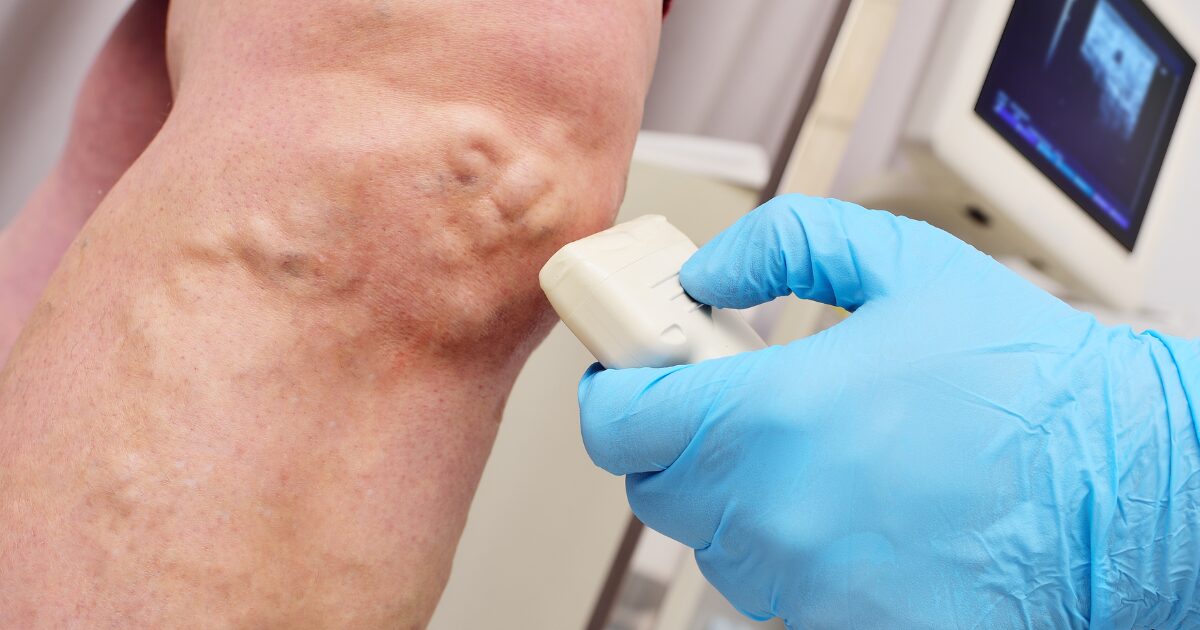
One of the most important diagnostic tools is duplex ultrasound, which helps evaluate blood flow and identify issues such as reflux or clotting.
During your evaluation, your provider should be able to:
- Assess vein structure and function
- Identify underlying venous reflux
- Determine severity of disease
- Rule out more serious vascular conditions
Accurate diagnosis ensures that treatment is targeted and effective.
Minimally Invasive Treatment Options
Modern vein care has shifted away from traditional surgical vein stripping in favor of minimally invasive procedures that offer faster recovery and less discomfort.
A qualified Phoenix vein doctor should offer treatments such as:
Radiofrequency Ablation
Uses controlled thermal energy to treat varicose veins with minimal downtime.
Sclerotherapy
Treats smaller varicose and spider veins using a specialized solution.
VenaSeal™
A non-thermal option that uses a medical adhesive to seal diseased veins.
The availability of multiple treatment options allows for a more personalized approach based on severity and patient needs.
Patient-Centered Care Approach
Beyond technical expertise, the best vein doctors prioritize patient experience. Vein disease is often chronic and can impact quality of life, so care should be supportive, educational, and personalized.
Look for providers who:
- Take time to explain diagnosis and treatment options
- Offer individualized treatment plans
- Provide clear expectations for recovery
- Prioritize comfort and minimally invasive solutions
- Support long-term vein health, not just short-term results
Convenient Access and Follow-Up Care in Phoenix
Because vein disease often requires follow-up care, choosing a provider with convenient access in the Phoenix area is important. Continuity of care ensures that treatment progress is monitored and adjustments can be made if needed.
Many patients benefit from clinics that offer in-office procedures, allowing treatment and follow-up without hospital visits or lengthy recovery periods.

When Should You See a Vein Doctor?
You should consider scheduling an evaluation if you experience:
- Visible varicose veins
- Aching or heavy legs
- Swelling in the lower legs or ankles
- Restless or uncomfortable legs
- Skin discoloration near the ankles
- Symptoms that worsen after standing or sitting
Early evaluation can help prevent progression and improve long-term outcomes.
Why Phoenix Residents Are Seeking Vein Care More Than Ever
Active lifestyles, long commutes, and extended periods of standing or sitting can all contribute to vein-related symptoms. In warmer climates like Phoenix, swelling and discomfort may also feel more noticeable.
As awareness of minimally invasive treatment options increases, more patients are seeking care earlier rather than waiting for symptoms to worsen.
Frequently Asked Questions
Vein specialists or vascular specialists diagnose and treat conditions affecting blood flow in the veins, including varicose veins and chronic venous insufficiency.
In many cases, a referral is not required. Patients can schedule a consultation directly with a vein or vascular specialist.
The best treatment depends on severity, but commonly used options include endovenous laser ablation, radiofrequency ablation, sclerotherapy, and VenaSeal.
Schedule a Vascular Consultation in Phoenix, AZ
If you are experiencing symptoms of vein or vascular disease, the specialists at United Vein & Vascular Centers in Phoenix can help.
Our team provides comprehensive vein evaluations and advanced minimally invasive treatment options designed to improve circulation, reduce symptoms, and restore comfort.
Schedule a vascular consultation at the UVVC Phoenix clinic today to learn more about your personalized treatment options and take the next step toward better vein health.
Medically reviewed by Dr. Domenic Zambuto, National Medical Director at United Vein & Vascular Centers. Board-certified in vascular and interventional radiology, Dr. Zambuto has more than 20 years of experience treating vascular disease and helping patients manage complex vein and circulatory conditions.