
Contents
- Understanding Leg Swelling and Why Heat Makes It Worse
- Common Causes of Leg Swelling in Hot Weather
- Recognizing When Swelling Signals a Serious Issue
- Practical Tips for Leg Swelling Relief During Extreme Heat
- Medical Treatments and When to Seek Help
- Frequently Asked Questions
- Taking the Next Step Toward Vascular Health
When temperatures climb, leg swelling often follows. For many people, especially those living in consistently hot climates like Arizona, swollen ankles or heavy, aching legs become an uncomfortable part of life. It may start subtly, but over time it can interfere with daily routines and overall comfort.
While heat-related leg swelling is common, it is not something to ignore. Understanding what triggers swelling, how to manage it safely, and when to seek expert care can help protect your circulation and keep you feeling your best during extreme heat.
Understanding Leg Swelling and Why Heat Makes It Worse
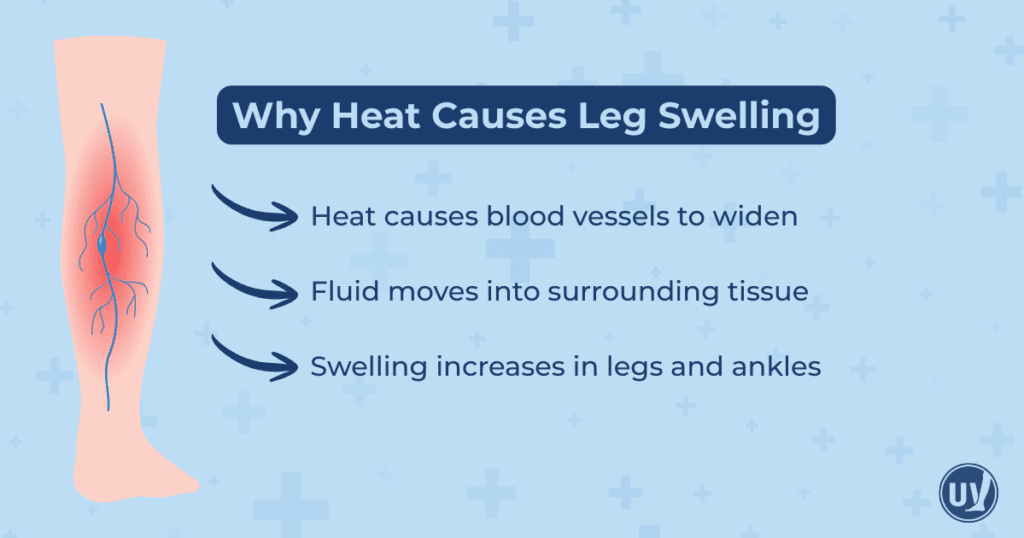
During hot weather, leg swelling often worsens. The body’s natural response to heat is to cool itself, and one of the primary ways it does this is by widening blood vessels near the skin’s surface. While this helps release heat, it also slows the return of blood to the heart, particularly from the lower extremities.
As blood vessels dilate, pressure inside them increases. Fluid can then leak from the vessels into surrounding tissues, especially in the legs and ankles where gravity already makes circulation more challenging. This process leads to the swelling many people notice during hot months.
Several factors contribute to heat-induced swelling. These include prolonged sitting or standing, which allows fluid to accumulate in the lower extremities. Physical inactivity further exacerbates this issue.
The body’s ability to regulate fluid becomes less efficient when temperatures remain high for long periods. In regions like Phoenix, where extreme heat can last for months, this strain on the vascular system becomes more noticeable and persistent.
Key considerations include:
- Increased blood vessel dilation
- Leakage of fluid into surrounding tissues
- Prolonged periods of inactivity
- Reduced efficiency of fluid regulation in high heat
Understanding these factors is essential for managing symptoms effectively. By recognizing how heat affects circulation, individuals can take proactive steps to reduce discomfort and avoid more serious complications.
Common Causes of Leg Swelling in Hot Weather
Hot weather can significantly influence leg swelling, but heat alone is rarely the only factor. Several lifestyle and health-related contributors often work together to worsen symptoms.
One primary cause is prolonged physical inactivity. Sitting or standing for extended periods without movement can lead to fluid pooling in the legs. This is especially common for people with desk jobs, long commutes, or limited opportunities to move throughout the day.
Another contributing factor is the body’s response to heat. Blood vessels dilate to help regulate temperature, which can lead to fluid leakage. While this is a normal response, it becomes problematic when combined with other risk factors.
Common causes include:
- Prolonged standing or sitting
- Increased blood vessel dilation
- High sodium intake
- Inadequate fluid intake
Diet also plays a role. High sodium foods encourage the body to retain water, which can worsen swelling. Dehydration compounds the problem by prompting the body to hold onto fluid as a protective response.
Addressing these factors can go a long way in managing leg swelling. Small adjustments in daily habits can reduce symptoms and support healthier circulation during hot weather.
Recognizing When Swelling Signals a Serious Issue
Not all leg swelling is harmless. While heat-related swelling is common, certain warning signs suggest that something more serious may be going on.
Swelling that does not improve with rest or persists for more than a week should be evaluated by a healthcare professional. Chronic swelling may point to underlying vascular conditions.
Pay close attention if swelling is accompanied by:
- Redness or warmth in the affected area
- Sudden or severe pain
- Shortness of breath
These symptoms may indicate conditions such as deep vein thrombosis, infection, or heart-related issues. Prompt evaluation is essential to prevent complications and ensure proper treatment.
Knowing when to seek medical care empowers individuals to act early rather than waiting until symptoms worsen.
Practical Tips for Leg Swelling Relief During Extreme Heat
Managing leg swelling during extreme heat often starts with simple, consistent habits.
Hydration is one of the most important steps. Drinking enough water helps the body maintain fluid balance and reduces the tendency to retain excess fluid.
Leg elevation is another effective strategy. Elevating the legs above heart level while resting helps fluid move back toward the heart and reduces pooling in the lower extremities.
Movement matters more than many people realize. Gentle movements such as ankle rotations, walking breaks, or stretching help keep blood flowing.
Cooling techniques can also provide relief. Cool showers or cold compresses help constrict blood vessels temporarily, reducing swelling and discomfort.
Compression stockings are often recommended, particularly for people who experience frequent swelling. These garments promote healthy circulation and prevent fluid buildup when worn consistently.
Helpful reminders include:
- Stay hydrated
- Elevate your legs when resting
- Move regularly throughout the day
- Use compression stockings when appropriate
These strategies can significantly improve comfort during the hottest months.
Medical Treatments and When to Seek Help
When lifestyle changes are not enough, medical evaluation may be necessary.
Compression therapy may be recommended at a medical grade level to provide stronger support. In some cases, medications such as diuretics may be prescribed under careful supervision.
Certain symptoms warrant prompt medical attention, including:
- Persistent or worsening swelling
- Swelling in only one leg
- Pain, redness, or warmth in the affected area
Early evaluation allows vascular specialists to identify underlying conditions and recommend appropriate treatment.
Frequently Asked Questions
Yes. Heat causes blood vessels to widen, which can allow fluid to leak into surrounding tissues, leading to swelling.
Elevating the legs, applying cold compresses, staying hydrated, and wearing compression stockings can provide fast relief.
Swelling accompanied by pain, redness, warmth, or that does not improve with rest should be evaluated by a healthcare professional.
Taking the Next Step Toward Vascular Health
Extreme heat places real demands on the vascular system, especially in climates where high temperatures are part of everyday life. While occasional leg swelling can be expected, persistent or worsening symptoms deserve attention. Being proactive with hydration, movement, and healthy habits can go a long way, but expert care matters when swelling becomes disruptive.
At United Vein & Vascular Centers, our vascular specialists understand how heat, circulation, and lifestyle intersect. If leg swelling is affecting your comfort or quality of life, a personalized evaluation can help uncover the cause and guide effective treatment options. UVVC provides advanced vascular care designed to support long-term circulation health, even in the most challenging climates.
If you are experiencing ongoing leg swelling, consider scheduling a consultation with UVVC’s Phoenix-area vein and vascular care team to take the next step toward relief and confidence in your vascular health.