

Phlebitis: Symptoms, Causes, & Treatment
What Is Phlebitis?
Phlebitis is the medical term for inflammation of a vein. It often affects the veins in the legs and can cause pain, redness, swelling, and tenderness along the course of the vein. While some cases are mild and temporary, others may involve blood clots and require prompt medical care to prevent complications.
At United Vein & Vascular Centers, our specialists evaluate the underlying cause of your vein inflammation and create a personalized treatment plan to relieve symptoms, improve circulation, and protect your long-term vascular health.
Phlebitis is a condition that can happen when a vein becomes inflamed. Usually, this affects veins close to the surface of the skin or in deeper veins.
- Superficial phlebitis (superficial thrombophlebitis)
Involves veins just under the skin. The vein may feel hard, warm, and tender. A small clot may be present, but the risk of serious complications is usually lower. - Deep phlebitis (often related to DVT)
When inflammation and clotting affect deeper veins, usually in the legs, it may be associated with deep vein thrombosis (DVT), a more serious condition that can lead to pulmonary embolism (a clot traveling to the lungs).
Because phlebitis and blood clots can be closely related, it’s important not to ignore symptoms, especially if pain or swelling worsens or appears suddenly.
Symptoms of Phlebitis
Phlebitis symptoms can range from mild discomfort to more serious signs of clotting. Common symptoms include:
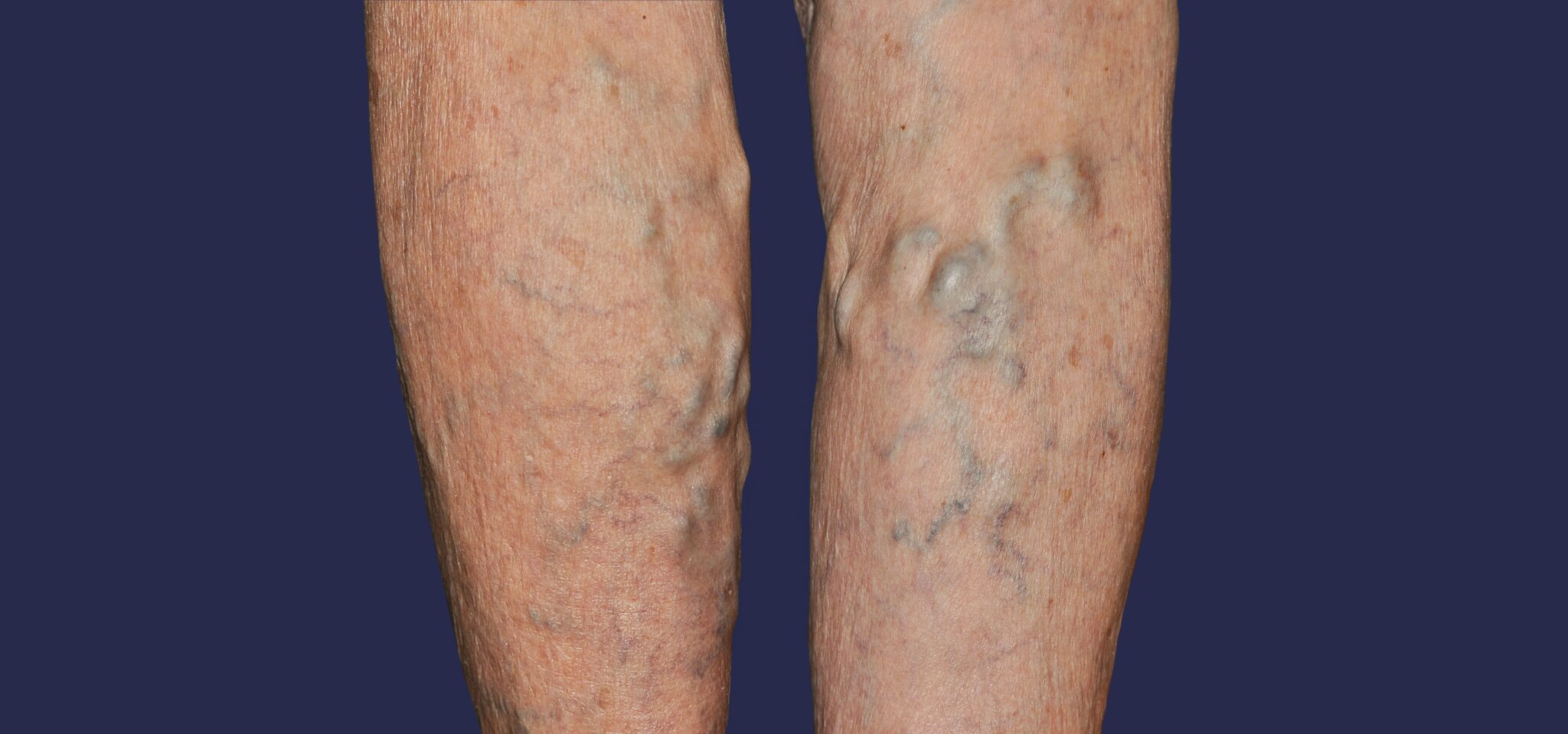
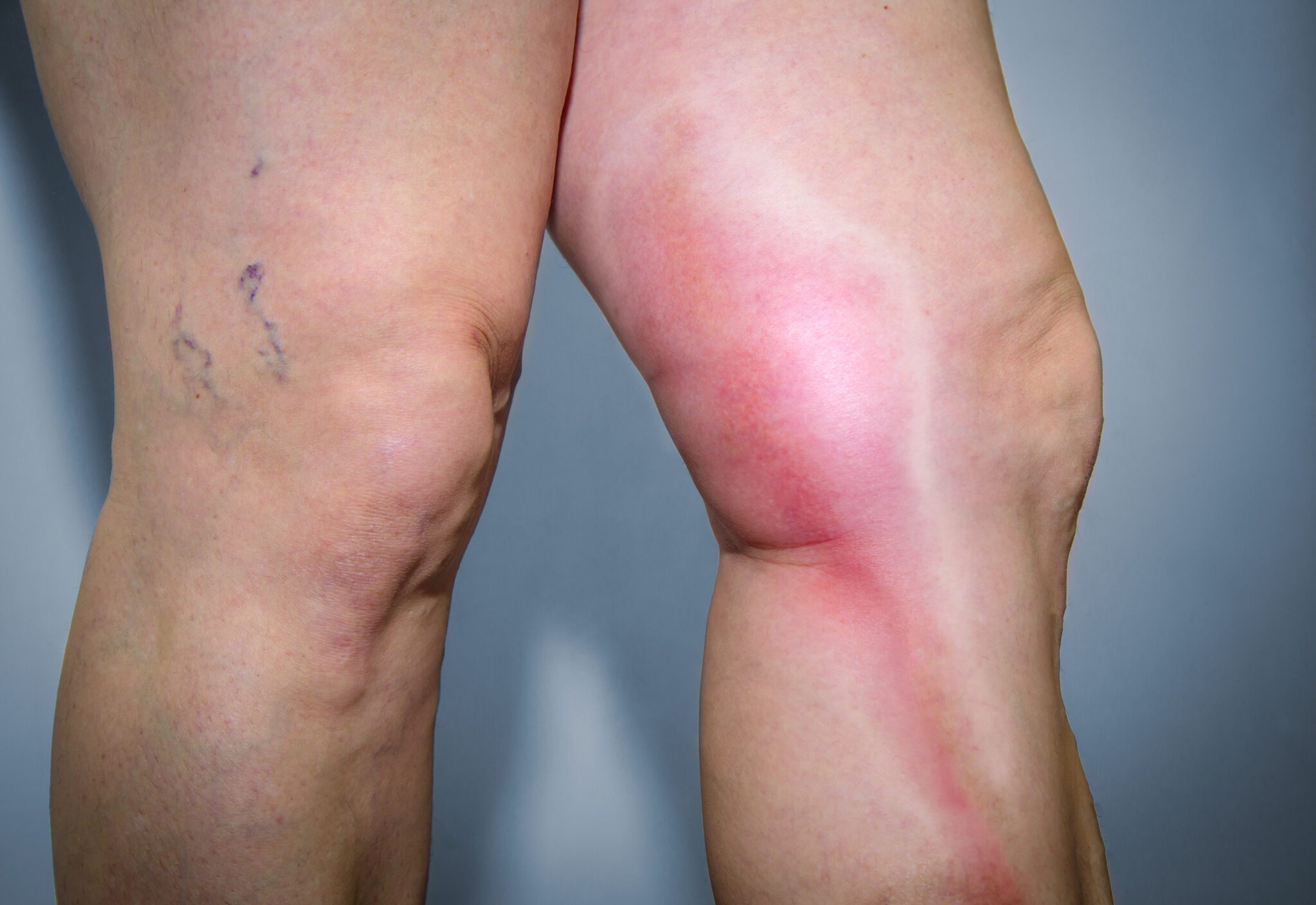
- Redness or discoloration along a vein
- Warmth and tenderness to the touch
- A firm, “cord-like” vein that feels ropey under the skin
- Localized swelling around the inflamed vein
- Aching, throbbing, or burning pain in the affected area
- Heaviness or fatigue in the leg
Request a Screening

What Causes Phlebitis? Common Causes and Risk Factors
Phlebitis can develop for many reasons, including:
- Varicose veins or chronic vein disease – Damaged vein valves and sluggish blood flow make inflammation and clot formation more likely.
- Prolonged inactivity – Long flights, car rides, or bed rest can reduce healthy blood flow in the legs.
- Recent injury or trauma to a vein – A direct blow, IV line, catheter, or medical procedure can irritate the vein wall.
- Recent surgery or hospitalization – Especially if you’ve been less mobile during recovery.
- Blood clotting disorders – Inherited or acquired conditions that cause your blood to clot more easily.
- Hormonal changes – Pregnancy, hormone therapy, or birth control pills can increase clotting risk for some people.
- Obesity and sedentary lifestyle – Extra pressure and reduced circulation add strain on leg veins.
- Smoking – Damages blood vessels and worsens circulation.
- Age and family history – Vein problems and clotting disorders can run in families and become more common with age.
If you have multiple risk factors along with symptoms of phlebitis, a vascular evaluation is especially important.

When Phlebitis Requires Urgent Medical Attention
Call 911 or seek emergency care immediately if you experience:
- Sudden shortness of breath
- Chest pain, rapid heartbeat, or coughing up blood
- Severe leg swelling or pain that appears quickly
These may be signs of a blood clot that has traveled to the lungs.
You should schedule a prompt vein evaluation if:
- You notice a painful, red, or hard cord-like vein
- Symptoms persist for more than a few days or keep coming back
- Your leg feels heavier, more tired, or more swollen by the end of the day
- You have a history of blood clots or are at high risk for DVT
Early diagnosis helps distinguish superficial phlebitis from deeper, more serious clotting and allows your provider to start appropriate treatment quickly.
How Phlebitis Is Diagnosed
At United Vein & Vascular Centers, evaluation typically includes:
Medical history and physical exam
Your specialist will ask about your symptoms, prior clots, surgeries, medications, and family history, then examine the affected area.
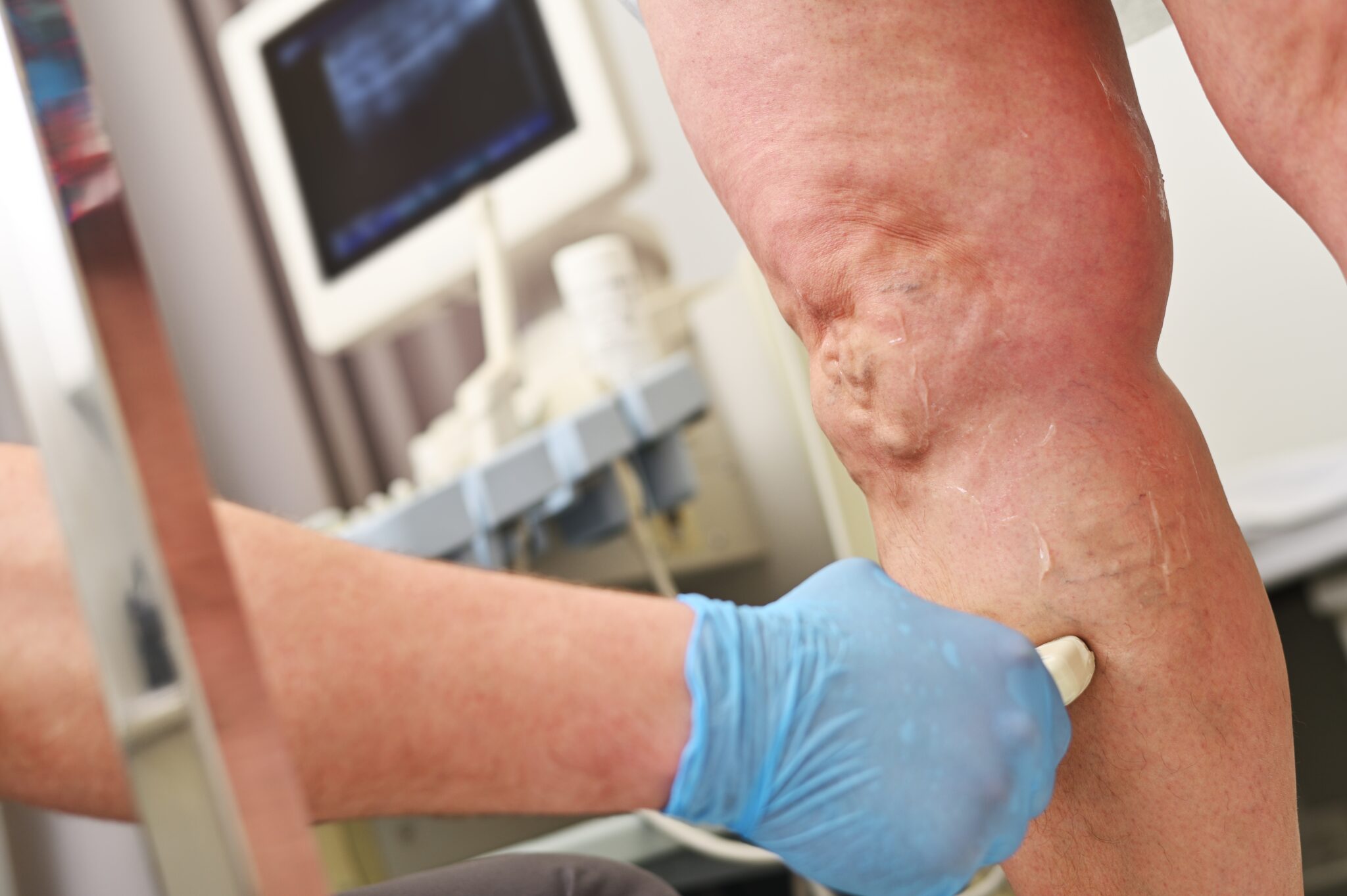
Vascular ultrasound
This noninvasive test uses sound waves to visualize the veins in real time. It helps identify inflammation, clots, blood flow patterns, and any underlying chronic venous insufficiency (vein valve failure).
Additional lab work or imaging (if needed)
In some cases, blood tests or further imaging may be ordered to evaluate clotting risk, rule out DVT, or plan treatment.
This thorough approach ensures we address not just the inflamed vein you can see or feel, but the overall health of your venous system.
Treatment Options for Phlebitis
Your treatment plan will depend on whether the phlebitis is superficial or involves deeper veins, whether a clot is present, and what underlying vein disease is contributing to the problem.

Conservative Care for Mild Superficial Phlebitis
For less severe cases, your provider may recommend:
- Leg elevation to reduce swelling
- Warm compresses over the affected area
- Compression stockings to support healthy blood flow and reduce discomfort
- Anti-inflammatory medications (as directed by your provider) to reduce pain and inflammation
- Increased walking and movement to promote circulation, unless otherwise restricted
Even when symptoms are mild, it’s important to follow up so your provider can monitor for progression and evaluate for deeper clots or underlying venous disease.

Treating Blood Clots and Deep Phlebitis
If a blood clot is present, especially in a deep vein, your provider may prescribe anticoagulant (blood-thinning) medications to prevent the clot from growing or traveling. In some cases, closer monitoring or follow-up imaging is recommended to track the clot’s progression and ensure it is responding appropriately to treatment. Your care team may also coordinate with your primary care physician, cardiologist, or hematologist to support comprehensive management and reduce the risk of future complications.
The goals are to prevent the clot from growing, reduce the risk of pulmonary embolism, and lower the chance of future clots.
Addressing the Underlying Vein Disease
When phlebitis is linked to chronic vein disease or varicose veins, treating the underlying problem helps prevent future flare-ups. Depending on your ultrasound results, minimally invasive procedures may be recommended, such as:
- Radiofrequency ablation (RFA)
Uses controlled heat to gently seal off diseased veins so blood can reroute to healthier veins. - VenaSeal™ closure system
A medical adhesive that closes the problematic vein through a small catheter, often with minimal discomfort and quick recovery. - Varithena® or other foam sclerotherapy
A medicated foam is injected into the vein, causing it to close and be naturally absorbed by the body over time. - Phlebectomy
Tiny incisions are used to remove bulging surface veins associated with pain and inflammation.
By treating the failing veins, many patients experience less swelling, reduced risk of recurrent phlebitis, and improved leg comfort and appearance.

Can Phlebitis Be Prevented?
Not every case can be prevented, but you can take steps to support healthier veins and reduce risk:
- Stay active – Regular walking and movement help pump blood back toward the heart.
- Avoid prolonged sitting or standing – Take breaks to stretch, walk, or flex your calves if you sit or stand for long periods.
- Wear compression stockings if recommended – These support circulation and reduce leg swelling.
- Maintain a healthy weight – Reduces pressure on your leg veins.
- Stay hydrated and avoid smoking – Both support better vascular health.
- Follow post-surgical instructions carefully – Including any recommendations for early mobilization or compression.
If you know you have varicose veins or a history of phlebitis or clots, regular follow-up with a vein specialist can help you stay ahead of future issues.

Why Choose United Vein & Vascular Centers for Phlebitis Care?
When you come to United Vein & Vascular Centers for phlebitis or suspected vein inflammation, you can expect:
- Thorough evaluations using advanced duplex ultrasound to identify inflammation, clots, and underlying venous insufficiency
- Board-certified vein and vascular specialists who focus on minimally invasive, outpatient treatments
- Personalized treatment plans to relieve pain, restore healthy blood flow, and reduce your risk of future problems
- Convenient outpatient clinics with flexible scheduling and a compassionate team focused on your comfort and safety
Our goal is not only to treat the inflamed vein you’re worried about today, but to protect your long-term vein and vascular health.
Frequently Asked Questions
Phlebitis refers to inflammation of a vein. When that inflammation is accompanied by a blood clot, it’s called thrombophlebitis. Many cases of superficial phlebitis involve small clots, which is why the terms are sometimes used together. However, deeper inflammation involving larger clots—such as DVT—is a more serious condition that requires prompt medical care.
Most patients describe phlebitis as tenderness, warmth, redness, and a firm or rope-like vein under the skin. The area may throb, burn, or ache, and discomfort often increases when standing or walking. If swelling is significant or pain begins suddenly, deeper inflammation or clotting may be present and should be evaluated.
Yes. While superficial phlebitis is often mild, inflammation in a vein can increase the risk of clot formation. Some cases begin with small surface clots, while others may progress toward deeper veins. Deep phlebitis is closely related to deep vein thrombosis (DVT), which can be dangerous if left untreated. A vascular evaluation helps determine whether a clot is present and what treatment is needed.
Mild superficial phlebitis may improve within one to two weeks, especially with warm compresses, compression stockings, and increased movement. However, symptoms can last longer if underlying vein disease is present or if inflammation progresses to clot formation. Deep phlebitis and thrombophlebitis typically require medical treatment and monitoring for several weeks or more.
Not always, but it can be a sign of underlying chronic venous insufficiency or varicose veins, which make inflammation more likely to occur. Many patients who experience repeated episodes of phlebitis discover that failing vein valves are contributing to poor circulation. An ultrasound evaluation can determine whether vein disease is present and whether treatment may help prevent future flare-ups.
Related Articles