
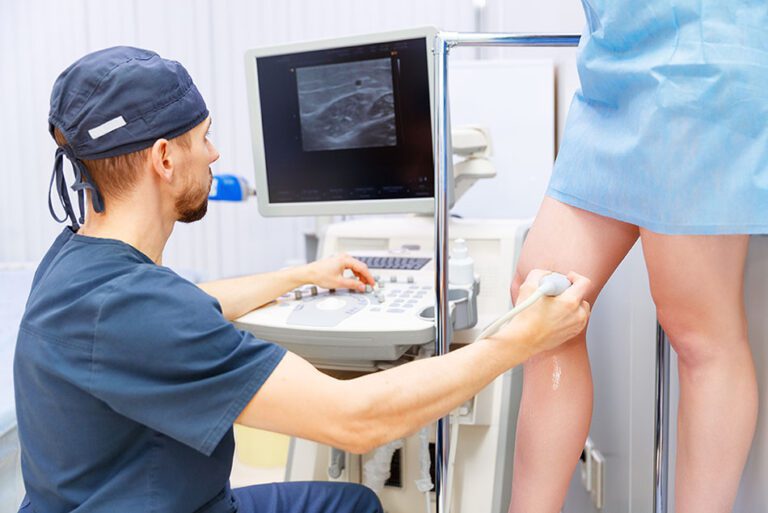
Vein Removal Treatment
Vein removal treatments are designed to eliminate damaged veins while improving both circulation and the appearance of your legs. If you are experiencing discomfort from varicose veins or are concerned about visible veins, modern treatment options offer safe, effective solutions without traditional surgery.
At United Vein & Vascular Centers, our specialists use minimally invasive vein procedures such as microphlebectomy and radiofrequency ablation to address the underlying cause of vein disease and help deliver long-term relief.
Request a Vein Screening
What Is Vein Removal?
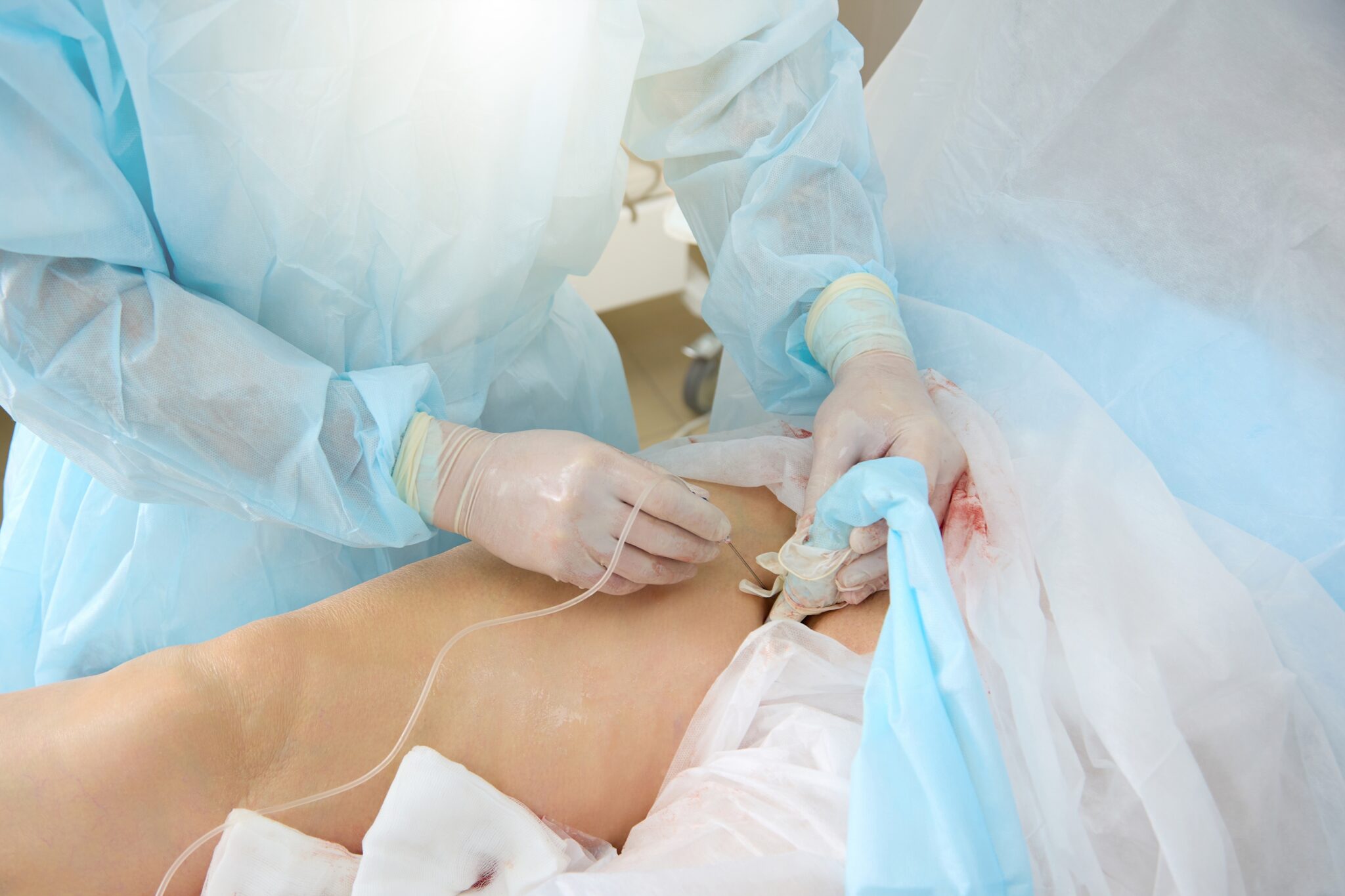
Vein removal, often referred to as phlebectomy, refers to a range of treatments used to eliminate or close damaged veins.
Depending on the size and severity of the vein, treatment may involve physically removing the vein or sealing it so the body can naturally absorb it over time.
These procedures are performed in-office, typically under local anesthesia, and are designed to minimize disruption to your daily routine.
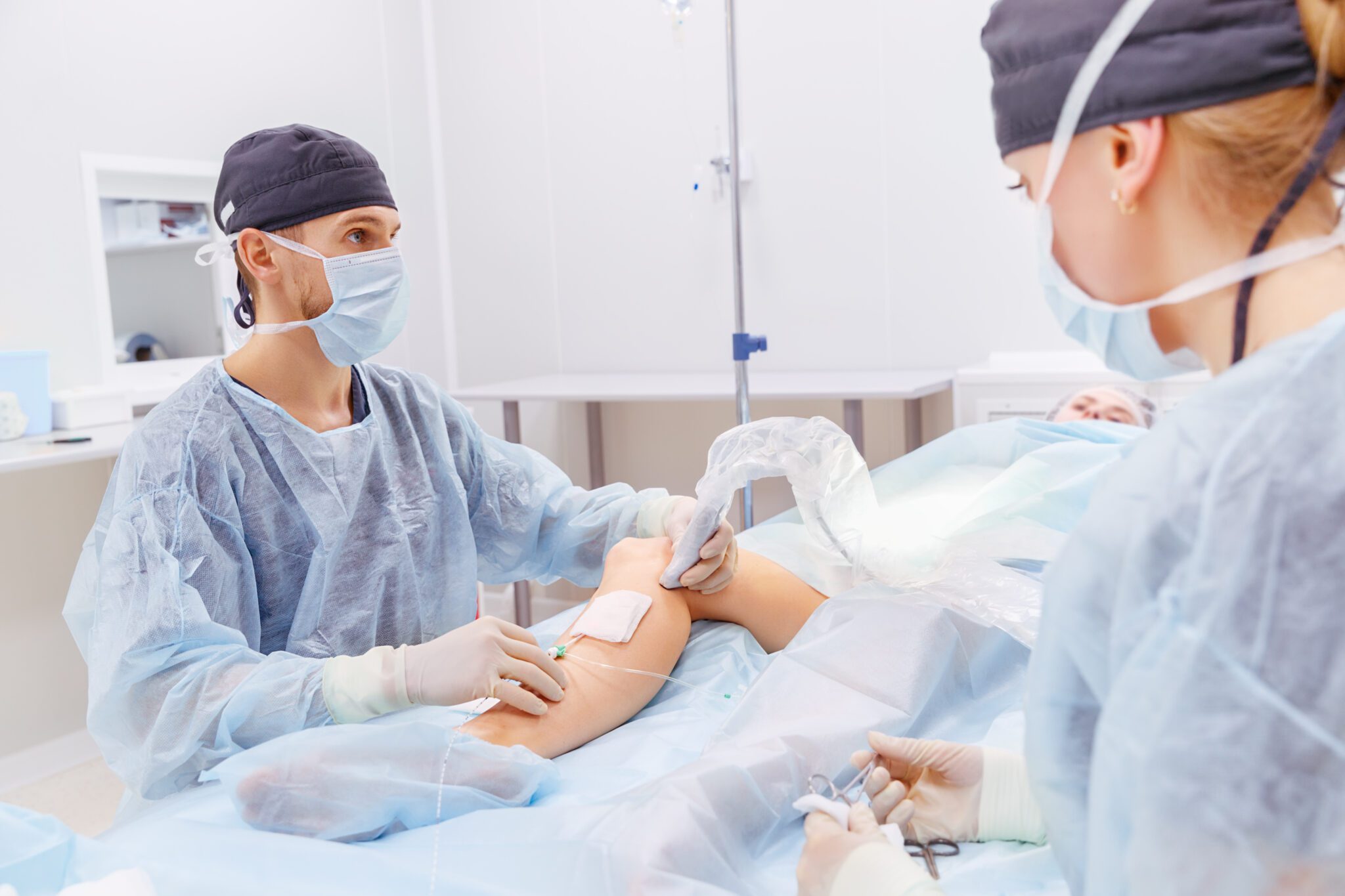
Types of Vein Removal Treatments
Microphlebectomy (Vein Removal Procedure)
Microphlebectomy is used to remove large, bulging varicose veins near the surface of the skin through small punctures. This minimally invasive vein procedure provides immediate improvement in both symptoms and appearance.
Thermal Vein Ablation
Radiofrequency ablation is a minimally invasive vascular procedure that uses controlled heat to close damaged veins. Once treated, blood is naturally redirected to healthier veins, and the closed vein is gradually absorbed by the body.
Sclerotherapy for Smaller Veins
Sclerotherapy is commonly used to treat smaller varicose veins and spider veins. A specialized medical solution is injected into the vein, causing it to collapse and fade over time.
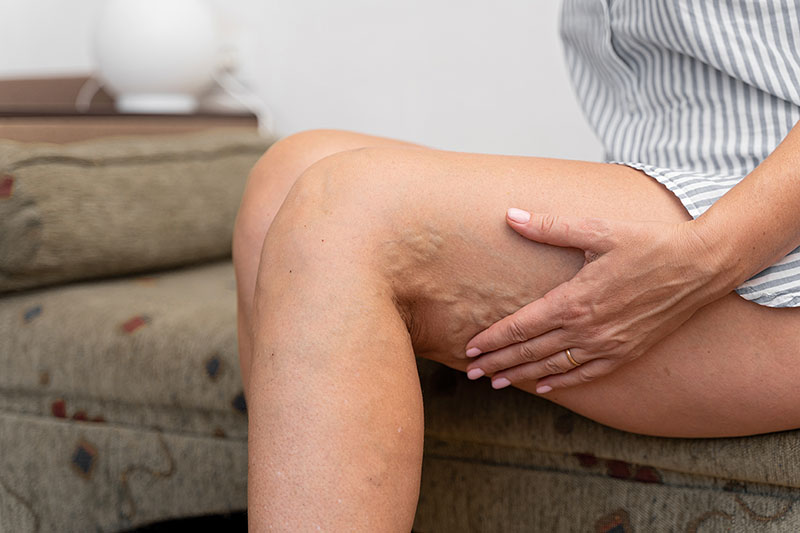
When Is Vein Removal Recommended?
Vein removal may be recommended if you experience:
- Bulging, visible varicose veins
- Leg pain, aching, or heaviness
- Obrzęk nóg lub kostek
- Skin changes related to vein disease
Early evaluation can help identify underlying vein issues and prevent progression.

Ideal Candidates for Vein Removal
You may be a good candidate if you:
- Have visible or symptomatic varicose veins
- Are in generally good health
- Want to improve both comfort and appearance
- Have been diagnosed with chronic venous insufficiency
A vein specialist will determine the most appropriate treatment based on your individual condition.
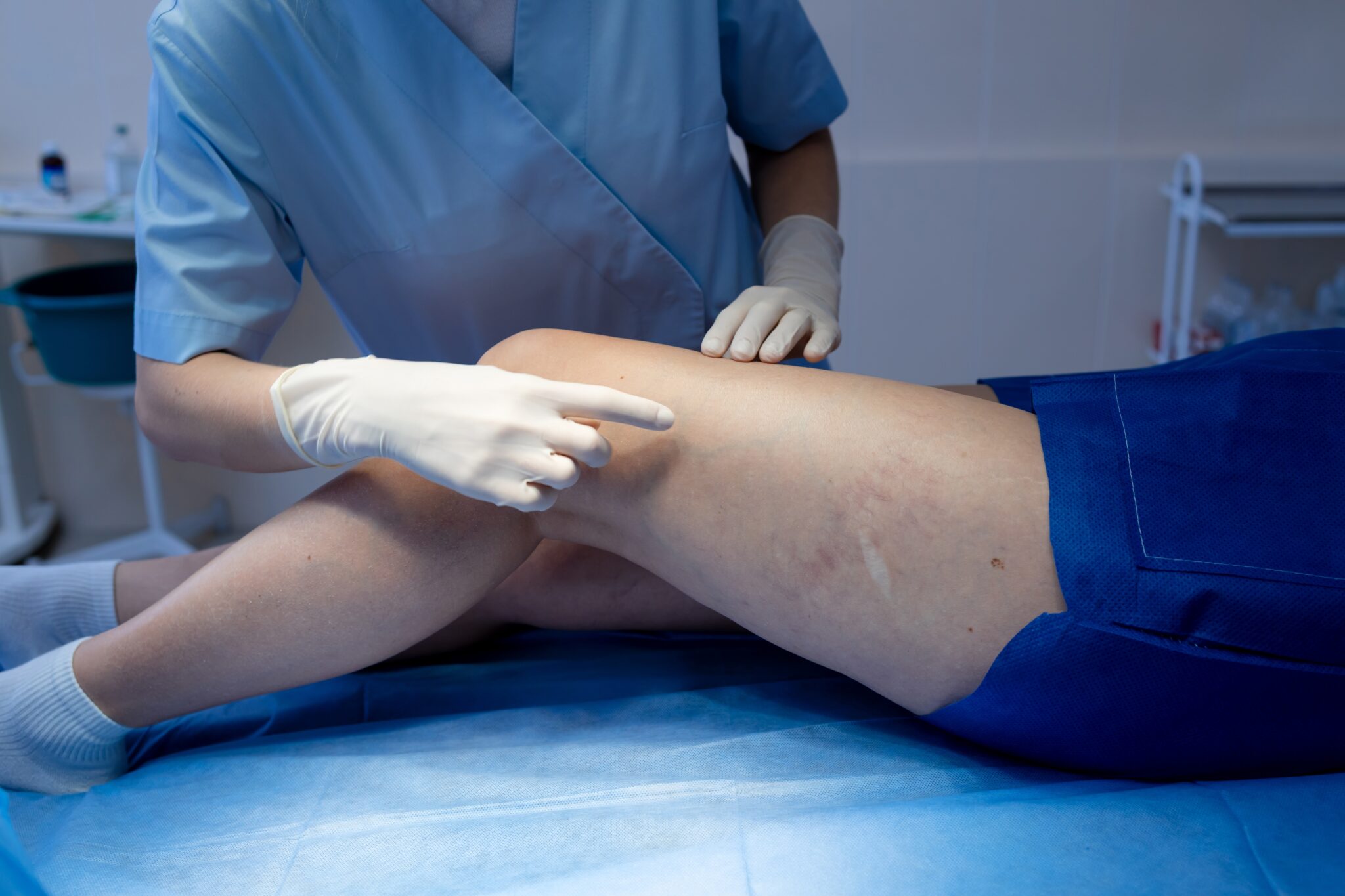
What to Expect During Vein Removal
Vein removal treatments are designed to be efficient and patient-friendly, with most appointments including a consultation and vein evaluation, the use of local anesthesia for comfort, and a minimally invasive procedure performed in-office. These treatments typically involve little to no downtime, and many can be completed in under an hour.
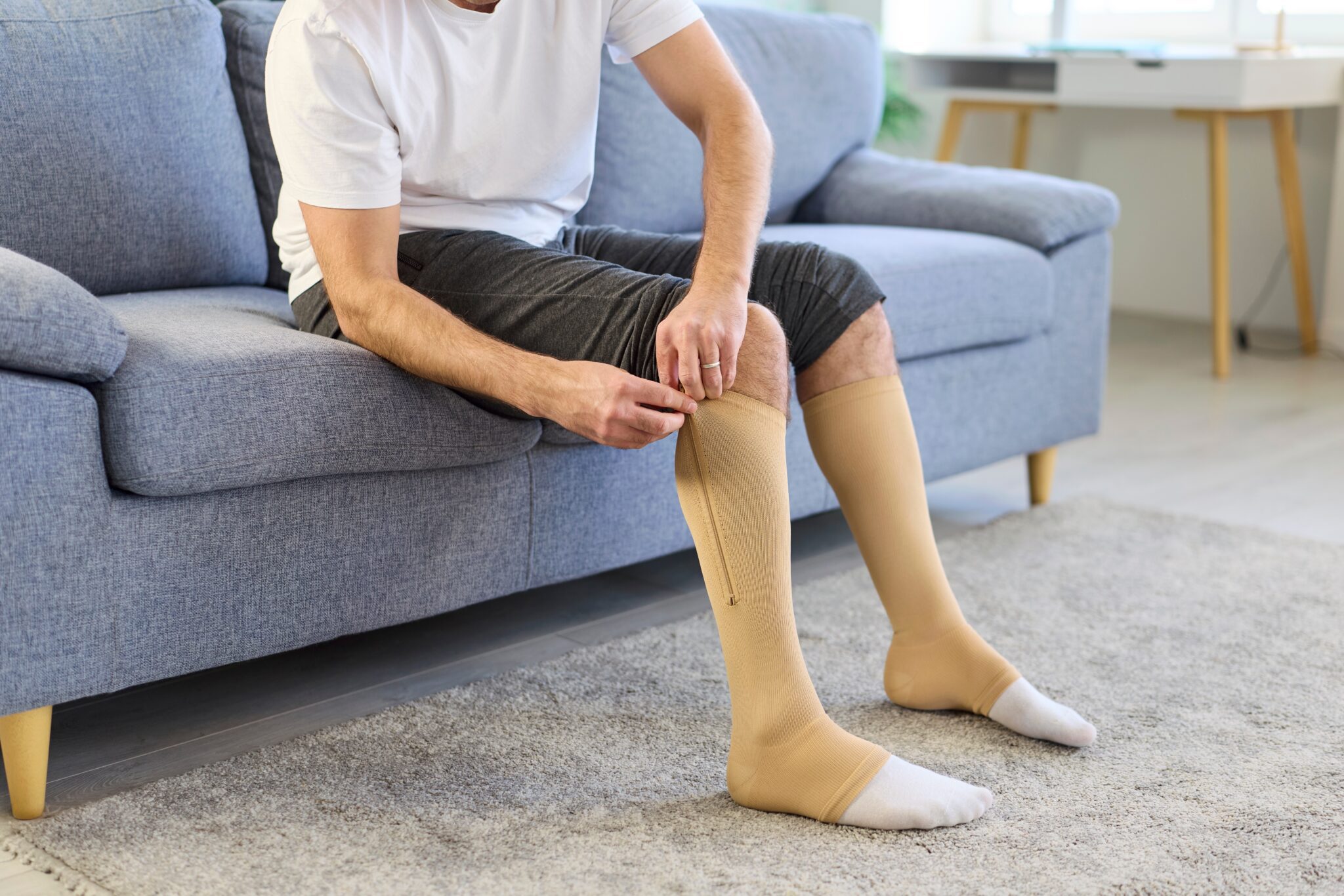
Recovery After Vein Removal
Recovery is typically straightforward, with most patients returning to normal activities the same day. Compression stockings may be recommended to support healing, and walking is encouraged to promote healthy circulation. Some mild bruising or tenderness may occur following treatment, but these effects are temporary and typically resolve over time.

Benefits of Vein Removal Treatment
- Relief from leg pain and discomfort
- Poprawione krążenie
- Reduced appearance of visible veins
- Minimally invasive approach with little downtime
- Long-lasting results when underlying vein disease is addressed
Vein Removal vs. Vein Ablation
Vein Removal
- Physically removes the vein
- Includes microphlebectomy
Ablacja żył
- Closes the vein using thermal energy
- Includes radiofrequency ablation (RFA)

Which Vein Removal Treatment Is Right for You?
The best approach depends on several factors, including:
- The size and location of the affected veins
- The severity of your symptoms
- Your overall vein health
A personalized treatment plan ensures the most effective outcome.
Często zadawane pytania
The best treatment depends on the size and severity of the vein. Larger veins are often treated with microphlebectomy, while smaller veins may respond well to sclerotherapy. Ablation is commonly used to address underlying vein disease.
Treated veins do not return. However, new veins can develop over time if underlying vein disease is not managed.
Most procedures are performed with local anesthesia, and patients typically experience minimal discomfort.
Most patients resume normal activities within 24 hours, with full healing occurring over the following weeks.
Powiązane artykuły