

Uterine Fibroids: Causes, Symptoms, & Treatment Options
Uterine fibroids are common, noncancerous growths that can cause heavy bleeding, pelvic pressure, and fatigue. If symptoms are affecting your daily life, a specialist evaluation can help determine whether fibroids are the cause and what treatment options may be available.

Poproś o konsultację
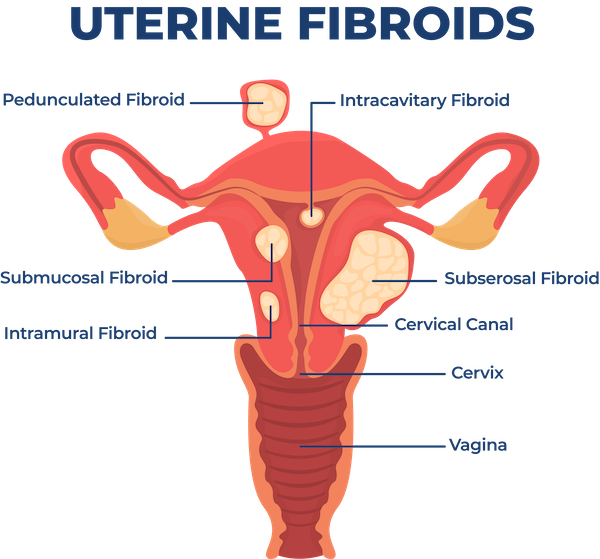
Czym są mięśniaki macicy?
Fibroids are growths made of muscle and connective tissue. They vary in size and can grow:
- Inside the uterine wall
- On the outer surface of the uterus
- In the uterine cavity
Fibroids are not cancer, and most do not become cancerous.

Common Fibroid Symptoms
Some people have no symptoms. When symptoms occur, they may include:
- Heavy or prolonged menstrual bleeding
- Bleeding between periods
- Ucisk miednicy lub uczucie pełności
- Pelvic pain or cramping
- Frequent urination or difficulty emptying the bladder
- Constipation or bloating
- Pain during sex
- Ból w dolnej części pleców
- Fatigue (often from iron-deficiency anemia due to heavy bleeding)
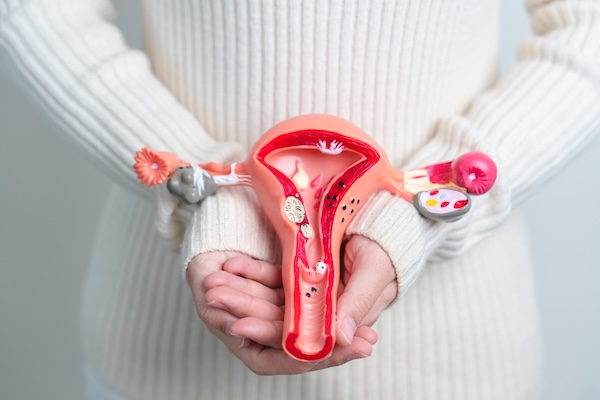
Co powoduje włókniaki macicy?
The exact reason fibroids develop isn’t fully understood, but experts believe several factors play a role rather than one single cause. Research and clinical observations point to a mix of hormonal influences and biological factors that contribute to fibroid growth.
Hormonal Influences
Fibroids grow in response to hormones, particularly estrogen and progesterone. These hormones are higher during reproductive years and tend to stimulate fibroid growth. Fibroids often shrink or stabilize after menopause when hormone levels drop.
Genetyka
There’s a clear genetic component: if someone in your family (such as a mother or sister) has had fibroids, your risk may be higher. Gene changes within fibroid cells also seem to be involved.
Other Contributing Factors
Other influences may increase the chance of developing fibroids or affect how they grow, including:
- Age — they’re most common during the reproductive years.
- Body weight and lifestyle — being overweight or having certain diet patterns may raise risk.
- Ethnicity — fibroids are more common and may be more severe in some racial groups.
Because multiple factors interact, and no single cause has been identified, researchers continue to study what triggers and drives fibroid formation.
How Fibroids Are Diagnosed
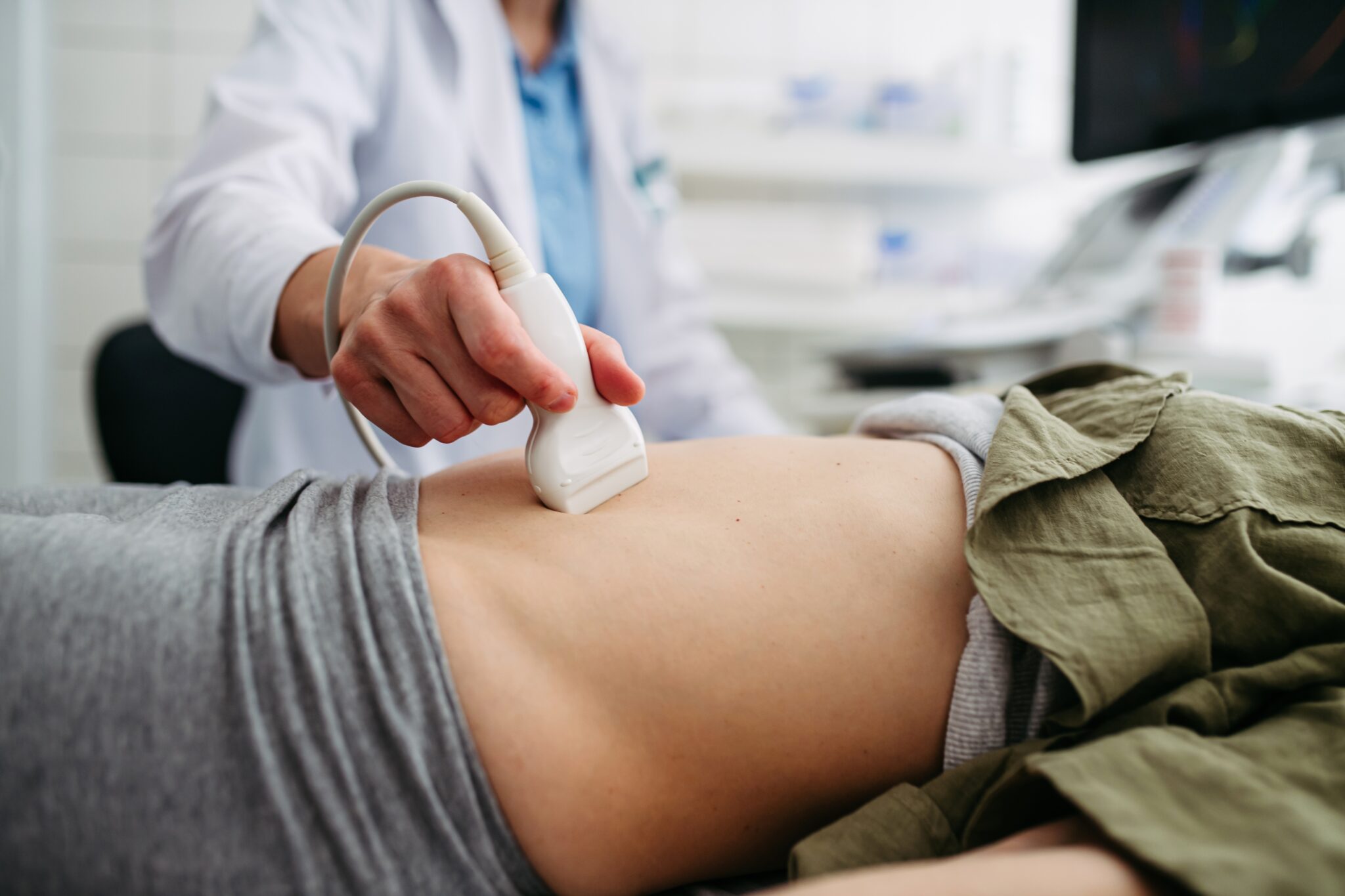
Diagnosis usually starts with a review of symptoms and a pelvic exam. Imaging helps confirm fibroids and guide treatment planning. Common tests include:
- Pelvic ultrasound (often the first imaging test)
- MRI (helps map fibroid size, location, and number in more detail)
- Bloodwork may be recommended if heavy bleeding is causing anemia.

Fibroid Treatment Options
Treatment depends on your symptoms, fibroid size/location, your health history, and your goals (including fertility considerations). Options may include:
Watchful Waiting
If symptoms are mild, monitoring may be appropriate.
Medication
Some medications may help reduce bleeding or pain, though they typically don’t eliminate fibroids.
Procedury minimalnie inwazyjne
These may be considered when fibroids cause significant symptoms and you want alternatives to major surgery.
Uterine Fibroid Embolization (UFE) is a minimally invasive procedure performed by an interventional specialist. It works by reducing the blood supply that feeds fibroids, which can help them shrink and relieve symptoms over time.
Opcje chirurgiczne
Depending on the situation, surgery may be recommended (for example, myomectomy or hysterectomy). Your care team can help you understand which approach fits your needs.
Powiązane artykuły