Zawartość
- What Is a Vein & Vascular Clinic?
- Common Vein Conditions We Treat
- Vascular Conditions That May Affect Circulation
- Symptoms That Should Be Evaluated by a Vein Specialist
- Vein treatment Options Available
- Vascular Treatment Options Available
- When to Schedule a Vein Screening or Vascular Consultation
- Często zadawane pytania
- Understanding Your Next Step
When you hear the words “vein and vascular clinic,” you may think of varicose veins, visible veins, or leg swelling. While those are common reasons patients seek care, vein and vascular clinics can evaluate and treat a much wider range of conditions related to circulation, blood flow, and vascular health.
Your veins and arteries play an important role in moving blood throughout the body. When they are not working properly, symptoms can show up in different ways, from leg heaviness and visible veins to pain while walking, swelling, skin changes, or concerns related to blood flow.
Understanding what a vein and vascular clinic treats can help you know when symptoms may need medical evaluation and what treatment options may be available.
What Is a Vein & Vascular Clinic?
A vein and vascular clinic focuses on conditions that affect the blood vessels and circulation. This may include vein conditions, which often involve blood flow returning back toward the heart, as well as vascular conditions that affect arteries, circulation, or other blood vessel-related concerns.
Vein care often focuses on conditions such as varicose veins, spider veins, venous reflux, chronic venous insufficiency, and leg swelling related to vein disease.
Vascular care may include conditions such as peripheral artery disease, atherosclerosis, circulation problems, uterine fibroids, enlarged prostate symptoms, internal hemorrhoids, and chronic knee pain related to osteoarthritis when vascular treatment may be appropriate.
Because symptoms can overlap, evaluation by a specialist can help determine whether your concerns are related to vein disease, vascular disease, or another underlying cause.
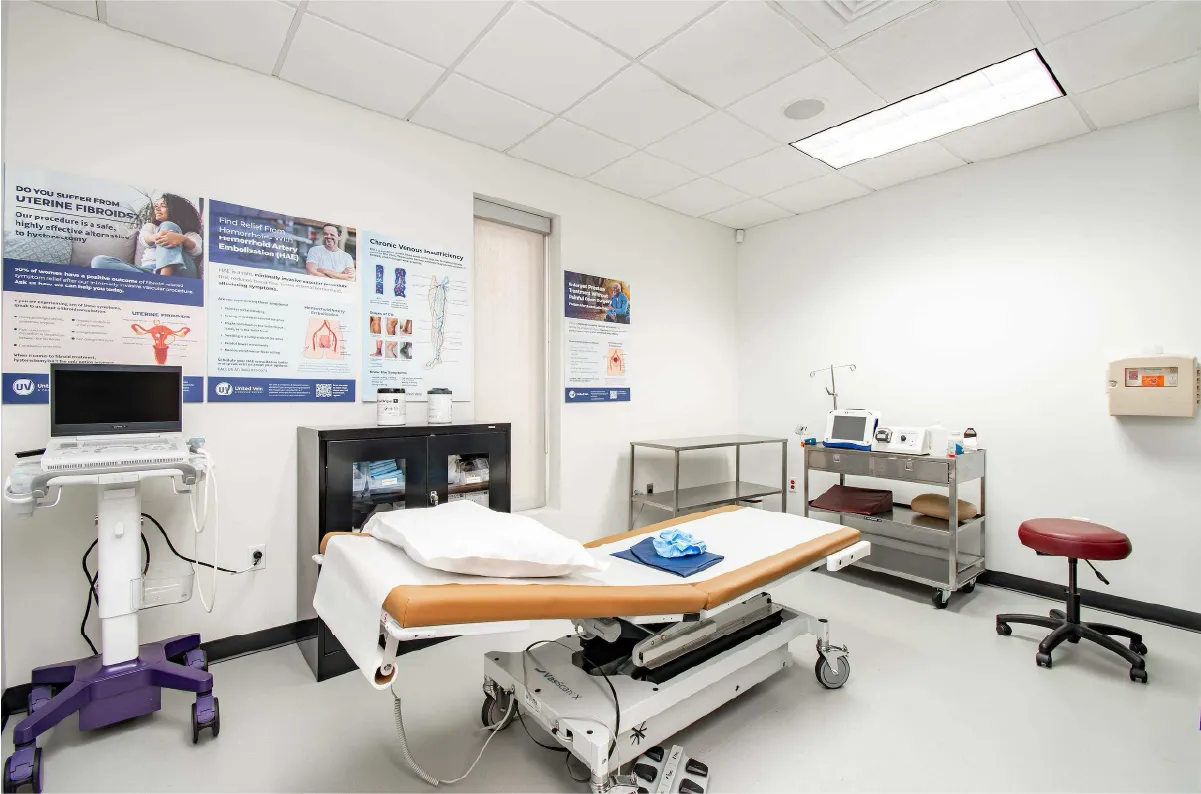
United Vein & Vascular Centers is proud to provide patients with four IAC accredited clinic locations that offer both vein and vascular care in one:
- United Vein & Vascular Centers of Tampa, FL
- United Vein & Vascular Centers of Lake Worth, FL
- United Vein & Vascular Centers of Phoenix, AZ
- United Vein & Vascular Centers of Memorial, Houston, TX
Common Vein Conditions We Treat
Vein conditions often develop when blood has trouble moving efficiently through the veins, especially in the legs. Healthy veins contain one-way valves that help move blood upward toward the heart. When these valves weaken or become damaged, blood can flow backward and pool in the legs. This is known as venous reflux.
Over time, venous reflux can contribute to symptoms such as swelling, aching, heaviness, visible veins, and skin changes.
Common vein conditions treated at a vein and vascular clinic may include:
Żylaki
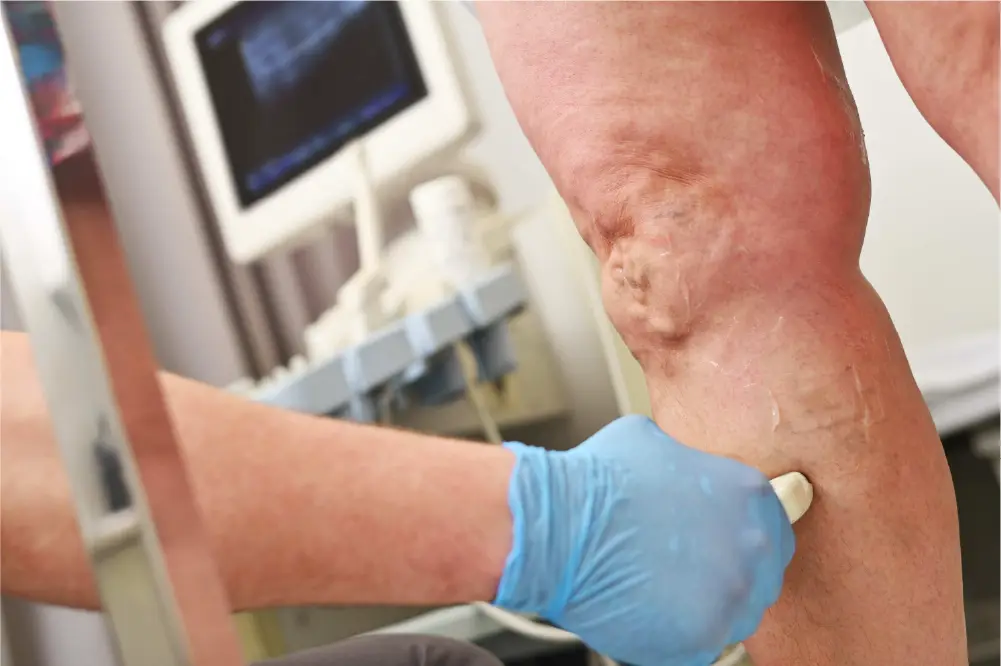
Varicose veins are enlarged, twisted veins that often appear near the surface of the skin. They may look blue, purple, raised, or rope-like. Varicose veins can cause aching, heaviness, throbbing, swelling, itching, burning, or leg fatigue.
While some people view varicose veins as a cosmetic concern, they may also be a sign of underlying vein disease.
Przewlekła niewydolność żylna
Chronic venous insufficiency, or CVI, is a vein condition that occurs when the valves in the leg veins do not work properly. This can cause blood to pool in the legs, leading to symptoms such as swelling, heaviness, aching, skin changes, and varicose veins.
CVI can progress over time, so symptoms should not be ignored if they are persistent or worsening.
Venous Reflux
Venous reflux occurs when the valves in the leg veins do not close properly, allowing blood to flow backward and pool in the legs. This can contribute to symptoms such as swelling, aching, heaviness, and varicose veins.
A diagnostic ultrasound may be recommended to evaluate blood flow and determine whether venous reflux is contributing to symptoms.
Leg Swelling Related to Vein Disease
Leg swelling can have many causes, but vein disease is one possible contributor. When blood pools in the legs, pressure can increase inside the veins and fluid may collect in the surrounding tissue.
Swelling that occurs with visible veins, aching, heaviness, or skin changes should be evaluated by a vein specialist.
Vascular Conditions That May Affect Circulation
Vascular care focuses on conditions that affect the blood vessels, circulation, and blood flow throughout the body. Some vascular conditions affect arteries, while others may involve abnormal blood flow to specific areas of the body.
Common vascular conditions that may be evaluated or treated include:
Choroba tętnic obwodowych
Peripheral artery disease, or PAD, occurs when plaque builds up inside the arteries, reducing blood flow to the limbs. PAD most commonly affects the legs.
Symptoms may include leg pain while walking, cramping, numbness, weakness, coldness in one foot or leg, or wounds that are slow to heal. Because PAD can progress over time, early evaluation is important.
Miażdżyca
Atherosclerosis occurs when plaque accumulates within the arteries, causing them to narrow and harden. This can reduce blood flow and contribute to circulation problems.
Risk factors may include high blood pressure, high cholesterol, smoking, diabetes, obesity, age, and family history of cardiovascular disease.
Słaba cyrkulacja
Poor circulation can describe several concerns related to reduced blood flow. Symptoms may include cold feet, numbness, tingling, leg pain, cramping, color changes, or wounds that heal slowly.
A vascular consultation can help determine whether symptoms may be related to an artery or blood vessel condition.
Mięśniaki macicy
Uterine fibroids are noncancerous growths that develop in or around the uterus. Some fibroids cause no symptoms, while others can affect daily life through heavy menstrual bleeding, pelvic pressure, frequent urination, bloating, or abdominal fullness. When symptoms become persistent or disruptive, evaluation can help determine the cause and guide next steps.
Enlarged Prostate, or BPH
Benign prostatic hyperplasia, or BPH, is a noncancerous enlargement of the prostate that can affect urinary function in men. Symptoms may include frequent urination, a weak urine stream, difficulty starting urination, incomplete bladder emptying, or waking up often at night to urinate. These symptoms can interfere with sleep, comfort, and quality of life.
Hemoroidy wewnętrzne
Internal hemorrhoids are swollen veins in the rectal area that may cause pain, bleeding, itching, swelling, or discomfort. For some patients, symptoms may become recurring or difficult to manage with conservative care alone. Evaluation can help determine the severity of symptoms and whether additional treatment options may be appropriate.
Osteoarthritis Knee Pain
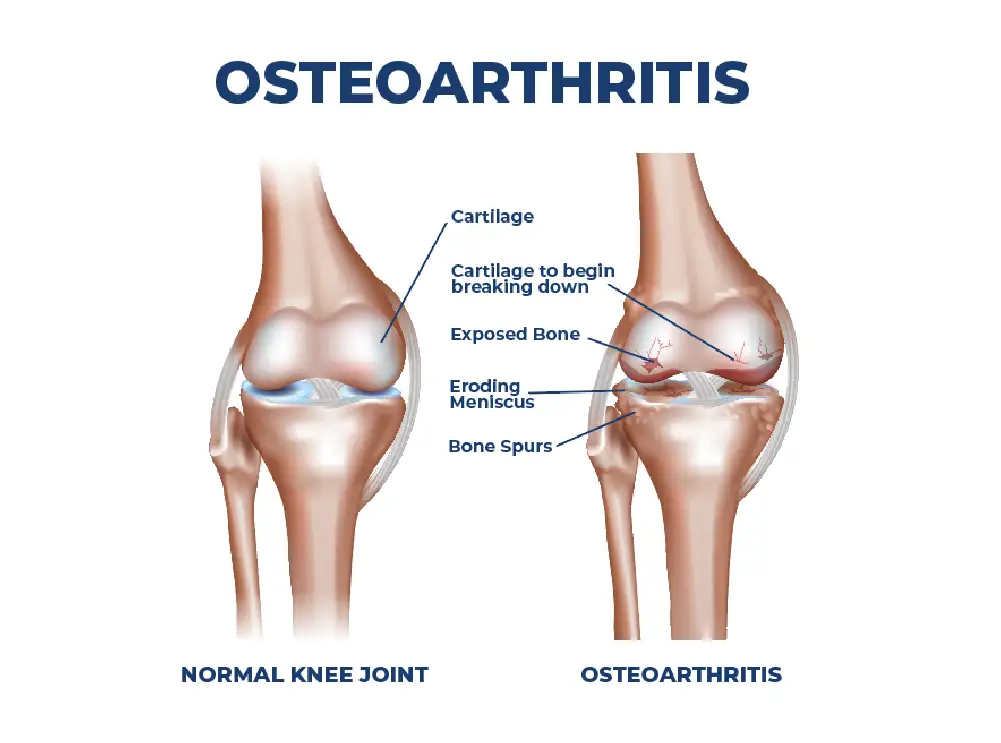
Osteoarthritis can cause chronic knee pain, stiffness, swelling, and difficulty with everyday movement. For some patients, knee pain may interfere with walking, climbing stairs, exercising, or staying active. When symptoms continue despite conservative care, further evaluation may help identify whether additional options should be considered.
Symptoms That Should Be Evaluated by a Vein Specialist
Vein and vascular symptoms can develop gradually, which can make them easy to dismiss. However, symptoms that persist, worsen, or interfere with your daily life should be evaluated.
You may benefit from a vein screening or vascular consultation if you experience:
- Obrzęk nóg
- Ciężkość lub zmęczenie nóg
- Aching, throbbing, or cramping
- Widoczne żylaki
- Spider veins with discomfort
- Przebarwienia lub zmiany tekstury skóry
- Itching or burning near visible veins
- Niespokojne nogi
- Ból nóg podczas chodzenia
- Zimne stopy lub palce
- Drętwienie lub mrowienie
- Wounds on the legs, ankles, or feet that are slow to heal
- Ból lub ucisk w obrębie miednicy
- Heavy menstrual bleeding
- Frequent urinary symptoms
- Hemorrhoid discomfort or bleeding
- Chronic knee pain related to osteoarthritis
Some symptoms may be related to vein disease, while others may point to vascular disease or another condition. A specialist can help identify the cause and recommend appropriate next steps.
Treatment depends on the condition being treated, the severity of symptoms, diagnostic findings, and the patient’s overall health. Many vein and vascular treatments are minimally invasive and are designed to address the underlying issue with less downtime than traditional surgery.
Vein treatment Options Available
Ablacja prądem o częstotliwości radiowej
Radiofrequency ablation, or RFA, uses controlled heat delivered through a thin catheter to close a diseased vein. Once the treated vein closes, blood naturally reroutes through healthier veins, helping reduce symptoms caused by venous reflux.
VenaSeal™
VenaSeal™ is a minimally invasive vein treatment that uses a medical adhesive to close a diseased vein. Once the vein is sealed, blood reroutes through healthier veins, helping address symptoms related to venous reflux.
Varithena®
Varithena® is an injectable foam treatment used to close certain diseased veins. The foam is delivered into the targeted vein, where it helps the vein collapse and close so blood can reroute through healthier veins.
Skleroterapia pod kontrolą USG
Ultrasound-guided sclerotherapy , or USGS, combines ultrasound imaging with targeted injections to locate affected veins in real time and guide a medical solution, called a sclerosant, directly into the targeted vein. This causes the vein to collapse and close, allowing blood to reroute through healthier veins.
This treatment may be used for problematic veins beneath the surface of the skin, including deeper varicose veins that may not be visible to the naked eye.
Mikroflebektomia
Microphlebectomy, also known as an ambulatory or stab phlebectomy, is a minimally invasive procedure that removes certain varicose veins through tiny punctures in the skin. It is often used for visible, bulging veins near the surface of the skin.
Vascular Treatment Options Available
Angioplastyka
Angioplasty is a minimally invasive procedure that helps restore blood flow by opening narrowed or blocked arteries.
Stenting
Stenting may be used to help keep an artery open after it has been widened. A small mesh tube is placed in the artery to support blood flow.
Aterektomia
Atherectomy is a minimally invasive procedure that removes plaque buildup from the arteries, helping improve circulation and reduce symptoms related to arterial disease.
Embolizacja mięśniaków macicy
Uterine fibroid embolization, or UFE, is a minimally invasive treatment that reduces blood flow to fibroids, causing them to shrink over time and helping relieve symptoms such as heavy bleeding and pelvic pressure.
Embolizacja tętnicy prostaty
Prostate artery embolization, or PAE, is a minimally invasive treatment option for enlarged prostate symptoms. It works by reducing blood flow to the prostate gland, helping it shrink and relieve urinary symptoms.
Embolizacja tętnicy hemoroidalnej
Hemorrhoid artery embolization, or HAE, is a minimally invasive treatment designed to reduce blood flow to internal hemorrhoids, helping alleviate symptoms without traditional surgery.
Embolizacja tętnicy szyjnej
Genicular artery embolization, or GAE, may be used for certain patients experiencing chronic knee pain caused by osteoarthritis. It works by reducing abnormal blood flow associated with inflammation.
When to Schedule a Vein Screening or Vascular Consultation
Knowing which type of appointment to schedule can depend on your symptoms.
A vein screening may be appropriate if you are experiencing symptoms such as:
- Żylaki
- Obrzęk nóg
- Leg heaviness
- Aching or throbbing
- Niespokojne nogi
- Itching or burning near visible veins
- Skin changes around the ankles or lower legs
A vascular consultation may be appropriate if you are experiencing symptoms such as:
- Ból nóg podczas chodzenia
- Zimne stopy lub palce
- Numbness or weakness
- Wounds that are slow to heal
- Heavy menstrual bleeding or pelvic pressure
- Enlarged prostate symptoms
- Internal hemorrhoid symptoms
- Chronic knee pain related to osteoarthritis
If you are unsure whether your symptoms are vein-related or vascular-related, contacting our team at UVVC can help you understand which type of evaluation may be best for your concerns.
Często zadawane pytania
Vein care focuses on conditions affecting the veins, such as varicose veins, spider veins, venous reflux, and chronic venous insufficiency. Vascular care is broader and may include conditions affecting arteries, circulation, and blood flow, such as peripheral artery disease, atherosclerosis, fibroids, enlarged prostate symptoms, internal hemorrhoids, and certain vascular-related pain conditions.
You should consider seeing a vein specialist for symptoms such as leg swelling, heaviness, aching, visible varicose veins, spider veins with discomfort, restless legs, itching, burning, or skin changes around the ankles or lower legs. These symptoms may be connected to venous reflux or chronic venous insufficiency.
Yes, vein and vascular clinics evaluate circulation problems, but the type of care depends on the cause of the symptoms. Vein-related circulation issues may involve venous reflux, while vascular circulation problems may involve reduced arterial blood flow, such as peripheral artery disease.
Many vein and vascular treatments are minimally invasive and do not require traditional surgery. Treatment options may include radiofrequency ablation, VenaSeal™, Varithena®, ultrasound-guided sclerotherapy, microphlebectomy, angioplasty, atherectomy, and embolization procedures. The right option depends on your diagnosis and overall health.
Referral requirements can vary depending on your insurance plan, symptoms, and reason for evaluation. Some patients may be able to schedule directly, while others may need a referral. Contact your insurance provider to confirm your plan’s requirements and coverage details.
Understanding Your Next Step
A vein and vascular clinic can treat a wide range of conditions related to blood flow, circulation, and vascular health. Whether you are dealing with visible veins, leg swelling, circulation problems, pelvic symptoms, urinary concerns, or chronic pain related to vascular inflammation, specialized care can help identify the underlying cause.
At United Vein & Vascular Centers, our specialists evaluate symptoms, explain diagnostic findings, and recommend treatment options based on each patient’s needs.
Find a UVVC clinic near you to connect with a specialist and take the next step toward understanding your symptoms.