Zawartość
- What Is Venous Reflux?
- How Varithena® Works
- Does Varithena® Work for Venous Reflux?
- What Varithena® May Help Treat
- Benefits of Minimally Invasive Vein Treatment
- Recovery and Results After Varithena®
- Other Treatment Options for Venous Reflux
- Kiedy udać się do specjalisty od żył
- Często zadawane pytania
- Zrób kolejny krok w kierunku lepszego zdrowia żył
Venous reflux can cause more than visible veins. For many patients, it can lead to leg swelling, heaviness, aching, throbbing, cramping, restless legs, and varicose veins that become more noticeable over time. These symptoms may start gradually, but they can begin to affect daily comfort, mobility, and quality of life.
Varithena® is one minimally invasive vein treatment option that may be recommended for certain diseased veins related to venous reflux. It is an injectable foam treatment designed to help close affected veins so blood can reroute through healthier veins.
But does Varithena® work for venous reflux? For the right patient, it may be an effective option. The best way to determine whether Varithena® may be appropriate is through a vein screening and, when needed, diagnostic ultrasound to evaluate how blood is moving through the leg veins.
What Is Venous Reflux?
Venous reflux occurs when the valves inside the leg veins do not close properly. Healthy vein valves help blood move upward toward the heart. When these valves weaken or become damaged, blood can flow backward and pool in the legs.
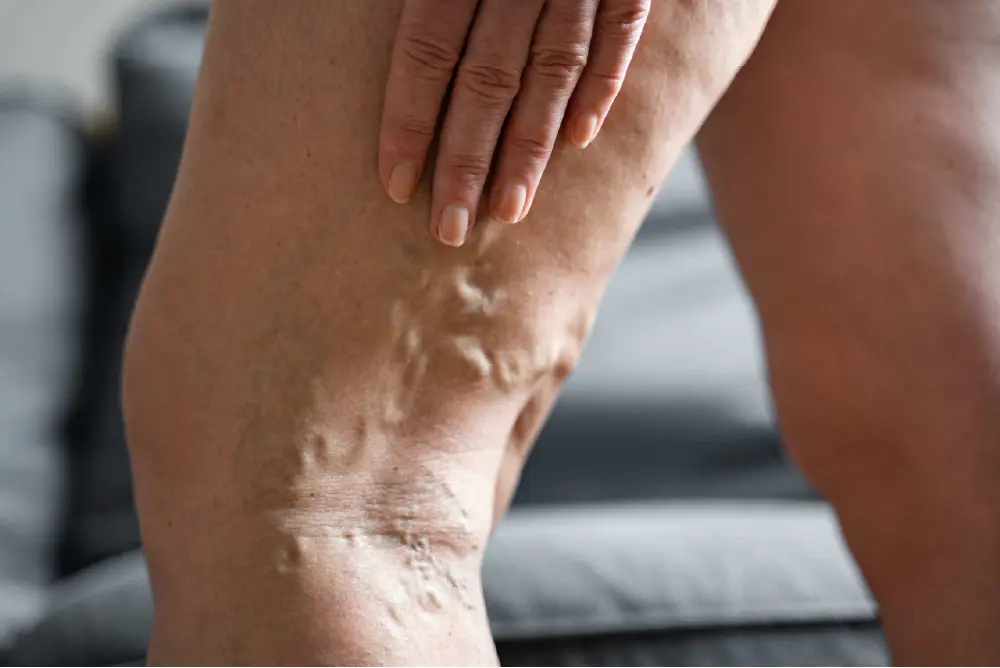
Over time, this backward flow can increase pressure inside the veins. That pressure may cause veins to stretch, enlarge, or become twisted, leading to varicose veins and other symptoms of chronic venous insufficiency.
Common symptoms of venous reflux may include:
- Żylaki
- Obrzęk nóg
- Ciężkość lub zmęczenie nóg
- Aching or throbbing
- Cramping or restless legs
- Itching or burning near visible veins
- Skin discoloration around the ankles or lower legs
- Symptoms that worsen after sitting or standing
- Symptoms that improve with walking or leg elevation
Venous reflux can progress over time, which is why recurring symptoms should not be ignored. A vein screening can help determine whether your symptoms may be connected to underlying vein disease.

How Varithena® Works
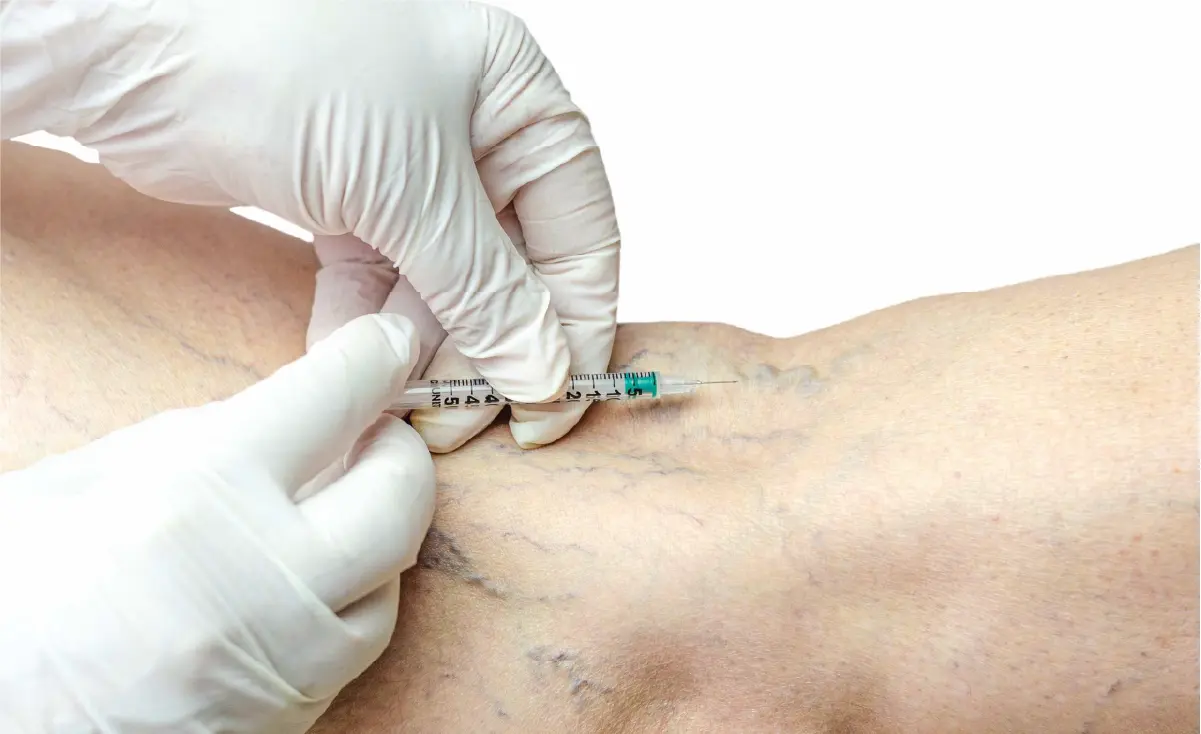
Varithena® is an injectable foam treatment used to close certain diseased veins. The foam is delivered into the targeted vein, where it helps the vein collapse and close so blood can reroute through healthier veins.
Unlike heat-based treatments, Varithena® does not use thermal energy to close the vein. Instead, the foam fills and treats the affected vein from within. Once the vein closes, the body gradually absorbs it over time, and blood flow shifts to healthier nearby veins.
Because venous reflux can involve different veins and patterns of disease, Varithena® is not the right option for every patient. Your provider will consider your symptoms, ultrasound findings, vein anatomy, and overall health before recommending treatment.
Does Varithena® Work for Venous Reflux?
Clinical studies have shown that Varithena® can effectively close certain diseased veins associated with venous reflux and varicose veins. By closing the affected vein, blood is redirected through healthier veins, which may help reduce symptoms such as swelling, heaviness, aching, and visible varicose veins.
Treatment outcomes vary depending on the severity of vein disease, the veins being treated, and individual patient factors. A diagnostic ultrasound can help determine whether Varithena® may be an appropriate treatment option.
What Varithena® May Help Treat
Varithena® may be used to treat certain diseased veins associated with venous reflux and varicose veins. It may be recommended when the affected vein is suitable for injectable foam treatment and when the patient’s evaluation supports that approach.
Varithena® may be considered for patients experiencing symptoms such as:
- Żylaki
- Leg heaviness
- Aching or discomfort
- Swelling
- Pulsujący
- Niespokojne nogi
- Symptoms that worsen after prolonged sitting or standing
It is important to understand that visible veins are not always the full story. Some patients have deeper vein issues that contribute to surface-level varicose veins or ongoing symptoms. A diagnostic ultrasound can help identify which veins are not functioning properly and whether Varithena® or another treatment may be appropriate.
Experiencing Leg Swelling, Heaviness, or Varicose Veins?
Varithena® may be one treatment option for patients with venous reflux and related vein symptoms. A vein screening can help determine whether your symptoms may be connected to underlying vein disease.
Benefits of Minimally Invasive Vein Treatment
Modern vein treatments are designed to address diseased veins without traditional vein stripping surgery. For appropriate candidates, minimally invasive treatment may help reduce symptoms related to venous reflux and improve comfort in daily life.
Potential benefits of minimally invasive vein treatment may include:
- In-office treatment
- Brak dużych nacięć
- No traditional vein stripping
- Treatment targeted to affected veins
- Typically limited downtime
- Ability to return to many normal daily activities soon after treatment
- Improved blood flow through healthier veins
Varithena® may be especially helpful in certain cases because it is injectable and does not rely on heat. However, the best treatment depends on the specific veins involved and the patient’s overall vein health.
Recovery and Results After Varithena®
Recovery after Varithena® treatment is generally designed to be manageable for many patients. Your provider will give you specific instructions based on your treatment plan, symptoms, and medical history.
After treatment, patients may be encouraged to walk and stay lightly active. Compression stockings may be recommended for a period of time, depending on your provider’s guidance. You may also be advised to avoid strenuous activity, extended immobility, or certain activities for a short period after treatment.
Some patients notice symptom improvement as the treated vein closes and blood reroutes through healthier veins. However, results vary by patient. The timeline for improvement can depend on the severity of vein disease, the veins treated, and how the body responds.
It is also possible that more than one treatment session or more than one treatment type may be recommended. Venous reflux can affect multiple veins, and a personalized plan may be needed to address both the underlying vein issue and visible varicose veins.
Other Treatment Options for Venous Reflux
Varithena® is one option for treating certain diseased veins, but it is not the only option. At United Vein & Vascular Centers, treatment recommendations are based on each patient’s symptoms, ultrasound findings, vein anatomy, and overall health.
Comparing Other Vein Treatment Options to Varithena®
| Treatment | How It Works | Uses Heat? | Uses Injections? |
|---|---|---|---|
| Varithena® | Injectable foam closes vein | Nie | Tak |
| VenaSeal™ | Medical adhesive closes vein | Nie | Nie |
| RFA | Catheter delivers heat to close vein | Tak | Nie |
| Skleroterapia pod kontrolą USG | Injection treatment for targeted veins | Nie | Tak |
| Mikroflebektomia | Removes visible varicose veins | Nie | Nie |
Other minimally invasive vein treatment options may include:
Radiofrequency Ablation, or RFA
Radiofrequency ablation, or RFA, uses controlled heat delivered through a thin catheter to close a diseased vein. Once the treated vein closes, blood naturally reroutes through healthier veins, helping reduce symptoms caused by venous reflux.
VenaSeal™
VenaSeal™ is a minimally invasive vein treatment that uses a medical adhesive to close a diseased vein. Once the vein is sealed, blood reroutes through healthier veins, helping address symptoms related to venous reflux.
Skleroterapia pod kontrolą USG
Ultrasound-guided sclerotherapy combines ultrasound imaging with targeted injections to locate affected veins in real time and guide a medical solution, called a sclerosant, directly into the targeted vein. This causes the vein to collapse and close, allowing blood to reroute through healthier veins.
This treatment may be used for problematic veins beneath the surface of the skin, including deeper varicose veins that may not be visible to the naked eye.
Mikroflebektomia
Microphlebectomy is a minimally invasive procedure that removes certain varicose veins through tiny punctures in the skin. It is often used for visible, bulging veins near the surface of the skin.
Your vein specialist can explain which treatment option, or combination of options, may be appropriate for your specific condition.
Kiedy udać się do specjalisty od żył
You should consider seeing a vein specialist if symptoms are persistent, worsening, or interfering with your daily routine. Venous reflux can develop gradually, and many patients do not realize their symptoms may be connected until they become more noticeable.
A vein screening may be appropriate if you experience recurring leg swelling, heaviness, aching, throbbing, visible varicose veins, restless legs, cramping, itching, burning, skin discoloration, or symptoms that worsen after long periods of sitting or standing.
A screening can help determine whether your symptoms may be related to venous reflux or chronic venous insufficiency. If additional evaluation is needed, your provider may recommend a diagnostic ultrasound to better understand how blood is moving through your leg veins.
Często zadawane pytania
Varithena® is used to treat certain diseased veins associated with venous reflux and varicose veins. It is an injectable foam treatment that helps close affected veins so blood can reroute through healthier veins.
Varithena® is generally well tolerated. Some patients may feel mild discomfort, pressure, or temporary sensations during the injection process. Your provider will explain what to expect and provide guidance based on your treatment plan.
Many patients can return to normal daily activities shortly after treatment, though recovery instructions may vary. Your provider may recommend walking, wearing compression stockings, and avoiding certain strenuous activities for a short period after treatment.
Insurance coverage for Varithena® varies by plan, medical necessity, symptoms, and diagnostic findings. Patients should contact their insurance provider to verify benefits, coverage, referral requirements, and potential out-of-pocket costs.
Varithena® may be used to treat certain varicose veins related to venous reflux. Whether it is appropriate depends on the veins involved, ultrasound findings, symptoms, and overall vein health.
Zrób kolejny krok w kierunku lepszego zdrowia żył
Varithena® may be an effective treatment option for certain patients with venous reflux, varicose veins, or uncomfortable leg symptoms. However, the right treatment depends on your symptoms, ultrasound findings, vein anatomy, and overall health.
At United Vein & Vascular Centers, our specialists evaluate vein symptoms and create personalized treatment plans based on each patient’s needs.
Schedule a vein screening to learn whether Varithena® or another minimally invasive vein treatment may be right for you.
Medically reviewed by UVVC National Medical Director, Dr. Domenic Zambuto, board certified vascular and interventional radiologist, with 20 years of experience.