Zawartość
- The Itching Was Not Happening on Its Own
- Looking Beyond the Surface of the Skin
- The Next Step in Catherine’s Care
- Catherine Finally Found Relief from the Itching
- Why Skin Changes Can Be Worth Mentioning During a Vein Screening
- The Orland Park Team Made Catherine Feel Comfortable
- The Difference Catherine Feels Today
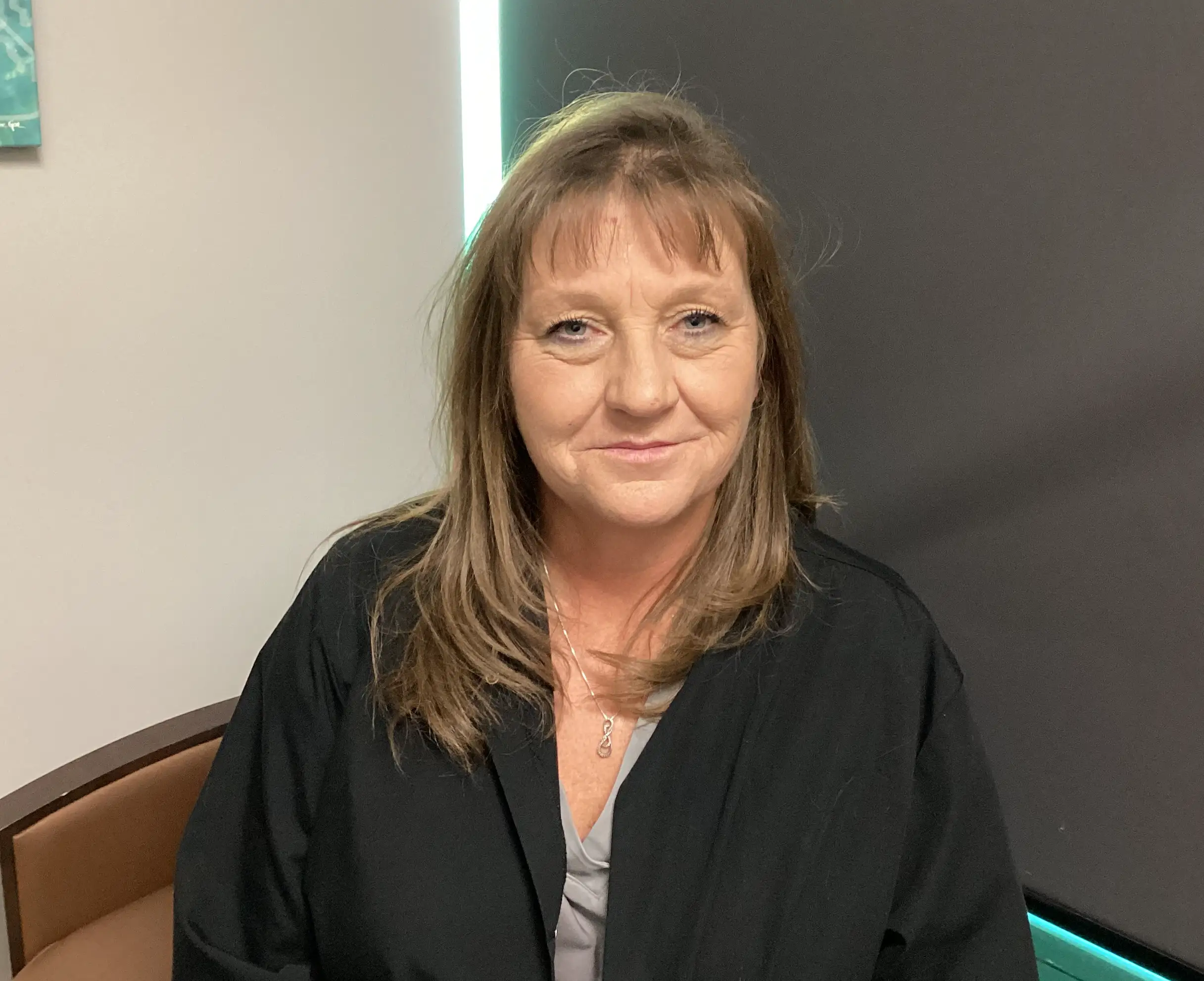
Persistent itching can be easy to write off as dry skin, a reaction to the weather, or something that just needs a different moisturizer. For Catherine B., though, itchy legs were happening alongside other changes that made it harder to dismiss.
Her legs felt very heavy. She was noticing swelling, easy bruising, dryness, and redness along with the itching. By the middle and end of the day, the combination of symptoms was affecting how comfortable she felt and how much energy she had left.
Eventually, Catherine decided it was time to have the changes evaluated. She came to United Vein & Vascular Centers in Orland Park, where her symptoms could be looked at together rather than treated as a series of unrelated complaints.
The Itching Was Not Happening on Its Own
For Catherine, itchy legs were only one part of what she had been experiencing.
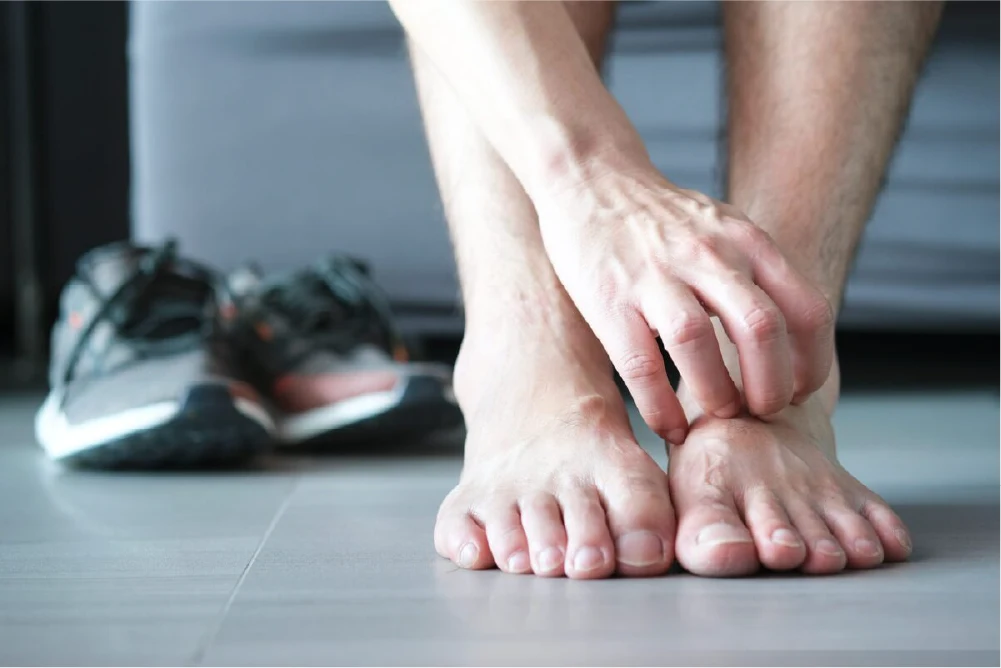
The skin on her legs could feel dry and irritated, with redness accompanying the itching. At the same time, her legs felt heavy and swollen, and she was bruising easily.
That combination matters because itchy legs can have many different causes. Dry skin, eczema, contact irritation, and other skin conditions are common possibilities. But when persistent itching appears alongside swelling, heaviness, visible vein changes, or changes in the skin, circulation may also be worth considering.
Vein problems can affect more than how the legs feel internally. When blood does not move efficiently back toward the heart, pressure can build in the lower legs. Over time, that may contribute to symptoms such as swelling, heaviness, dryness, itching, redness, or discoloration in some patients.
Itching can have many possible causes, but Catherine was experiencing it alongside several other changes in her legs. The combination of itching, swelling, heaviness, and redness prompted her to seek care.
Looking Beyond the Surface of the Skin
One of the challenges with itchy legs is that the skin can become the obvious focus.
Someone may try lotions, change soaps, or assume the irritation is seasonal. Those steps may help when dry or sensitive skin is the cause. But when the itching keeps returning or appears with swelling, heaviness, aching, or visible vein changes, it may be useful to look beyond the surface.
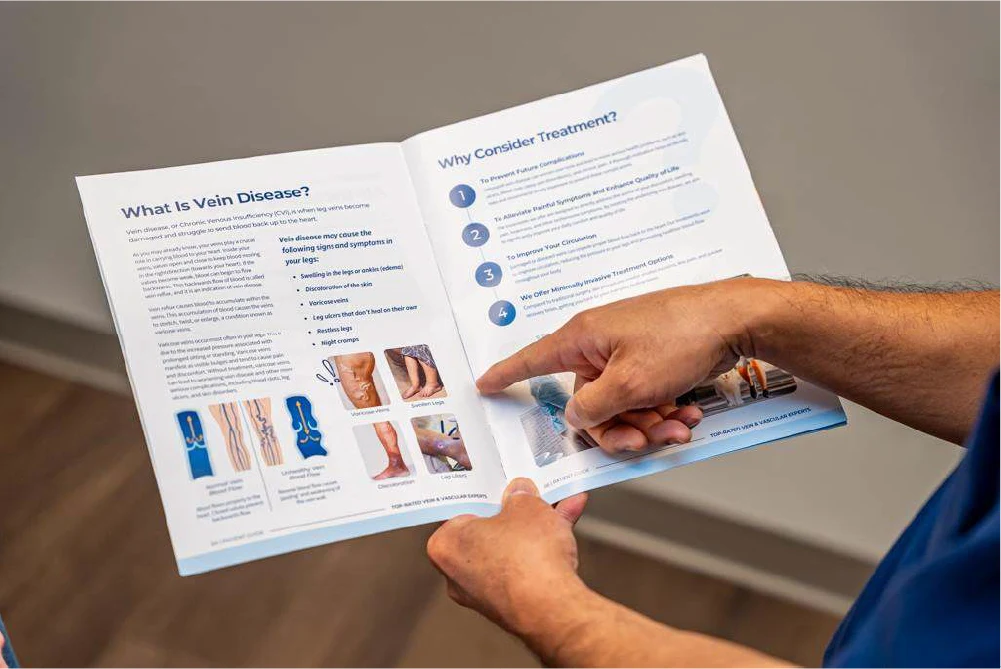
UVVC guidance emphasizes helping patients connect recognizable symptoms such as itching and skin changes with possible circulation concerns without assuming a diagnosis. A vein screening can help determine whether additional evaluation may be appropriate.
For Catherine, that evaluation led to a treatment plan that included injection-based vein treatment on both legs.
The Next Step in Catherine’s Care
Catherine underwent vein treatment with injections on both legs.
Injection-based vein treatments are minimally invasive procedures used to treat certain affected veins. The specific approach depends on factors such as the veins involved, symptoms, imaging findings, medical history, and provider evaluation.
As Catherine moved through treatment, she began noticing changes in the symptoms that had been bothering her most.
Catherine Finally Found Relief from the Itching
The difference was especially noticeable as Catherine moved through her day.
The itching and redness she had been experiencing were no longer an issue, and the heavy feeling in her legs had eased. She also said she felt less tired in the middle of the day without that same weighed-down sensation.
“They’re not heavy. At the end of the day, they feel lighter, easier to move around, and the itchiness and redness has gone away.”
For Catherine, that meant more than relief from one symptom. Her legs felt more comfortable overall, easier to move, and less tiring as the day went on.
Why Skin Changes Can Be Worth Mentioning During a Vein Screening
Itching is sometimes discussed separately from symptoms such as swelling or heaviness, but skin changes can be part of the same overall picture for some patients with vein disease.
Long-term circulation problems in the veins may affect the skin and tissue of the lower legs. Patients may notice dryness, irritation, itching, discoloration, or other changes over time.
The important distinction is persistence and context. Itching by itself does not point to one specific cause. But itching that keeps returning, particularly when it appears alongside swelling, heaviness, aching, or visible vein changes, may be worth discussing with a provider.
Catherine’s experience is one example of why looking at the full group of symptoms can matter.
The Orland Park Team Made Catherine Feel Comfortable
Catherine described her experience with the Orland Park team as positive from start to finish. She said she would highly recommend the clinic and appreciated the way the team treated her throughout each visit.
When asked what she would tell someone who was still unsure about seeking care, Catherine encouraged them to do their research and learn more about their options. Based on her own experience, she felt confident recommending UVVC and the team that cared for her.
Her final takeaway was simple: “Great experience.”
The Difference Catherine Feels Today
Catherine originally sought care while dealing with persistent itchy legs, dryness, redness, swelling, bruising, and significant heaviness.
After injection-based vein treatment on both legs, she reported that the itching and redness had gone away. Her legs felt lighter and easier to move, and she noticed less fatigue during the middle of the day.
Her story also illustrates why persistent itching does not always have to be considered in isolation. When skin irritation appears alongside other changes in the legs, looking at the complete symptom pattern can help determine what may be contributing.
If itchy legs keep returning, especially when they occur with swelling, heaviness, redness, dryness, or visible vein changes, schedule a vein screening with United Vein & Vascular Centers. A screening can help determine whether your symptoms may be related to an underlying vein condition and whether additional testing may be appropriate.