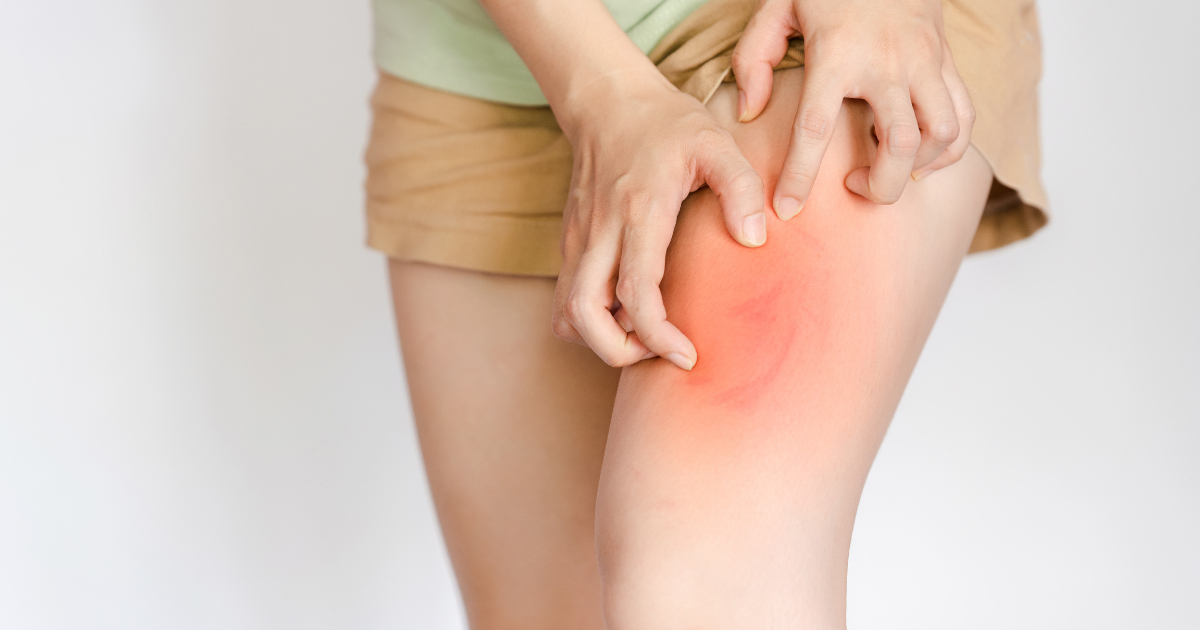
Chronic venous insufficiency, or CVI, affects millions of adults and often starts quietly, showing subtle signs that are easy to overlook. While most people associate poor circulation in the legs with obvious symptoms like bulging veins or swelling, there are lesser-known indicators that could signal a developing venous issue. Recognizing these early warning signs can help you seek timely care, reduce discomfort, and prevent complications.
Understanding CVI is important because, while it cannot be cured, it can be effectively managed with modern treatments and lifestyle strategies. This management can dramatically improve leg comfort, mobility, and overall quality of life.
3 Surprising Yet Common Signs of Poor Circulation in the Legs
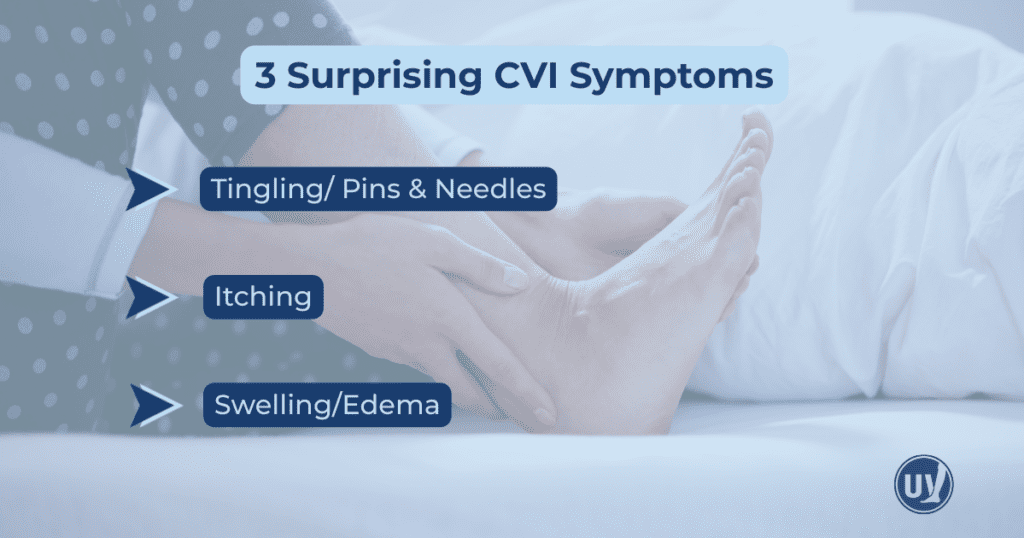
Many symptoms of CVI are subtle or unexpected. Here are three signs that might surprise you but are actually very common:
1. Tingling, Numbness, or Pins and Needles
You may have experienced that “leg falling asleep” feeling after sitting cross-legged. For people with CVI, this sensation can occur more frequently and without obvious triggers. Tingling or numbness occurs because the veins are not efficiently returning blood to the heart, slowing circulation in the lower limbs.
Persistent tingling or numbness should not be ignored. Over time, poor circulation can affect nerve function and exacerbate discomfort, making early evaluation by a vascular specialist essential.
2. Itching Around the Legs
It may seem unrelated, but itching is a common symptom of poor circulation. Patients often report a constant, unexplained itch on their lower legs, ankles, or feet. This happens because stagnant blood can cause inflammation and irritate the skin.
Unlike allergic reactions or dry skin, circulation-related itching may worsen at the end of the day or after long periods of standing or sitting.
3. Edema (Swelling in the Legs)
Edema, or fluid buildup in the legs, is another hallmark of CVI. When veins cannot efficiently transport blood, fluid can accumulate in the lower legs and feet, leading to noticeable swelling.
Swelling often worsens after prolonged standing or sitting and may improve with elevation. Over time, persistent edema can contribute to skin changes, discomfort, and even ulcers if left untreated.
Additional CVI Symptoms to Watch For
While the three signs above are often overlooked, there are other indicators of chronic venous insufficiency that patients should be aware of:
- Discoloration of the Skin: Reddish or brownish patches, particularly around the ankles, can indicate blood pooling and vein stress.
- Pain or Heaviness in the Legs: Legs may feel tired, heavy, or achy, especially after standing for long periods.
- Visible Varicose Veins: Bulging, twisted veins are a more obvious sign but often appear after subtle symptoms have already started.
- Leg Cramps or Restless Legs: Muscle cramps at night or an uncontrollable urge to move the legs can be linked to poor venous circulation.
Recognizing these warning signs early allows you to take proactive steps before the condition worsens.
Why CVI Happens
Chronic venous insufficiency occurs when the veins’ one-way valves fail to function properly. Healthy valves push blood upward toward the heart and prevent backward flow. When these valves weaken or fail, blood can pool in the lower legs, causing pressure, swelling, and other symptoms.
Several factors contribute to CVI, including:
- Genetics: A family history of varicose veins or venous disease increases your risk.
- Age: Vein valves weaken naturally over time, making CVI more common in older adults.
- Lifestyle: Long periods of standing or sitting can exacerbate poor circulation.
- Obesity: Excess weight puts additional pressure on the veins.
- Pregnancy: Increased blood volume and hormonal changes can affect vein function.
By understanding the causes, you can work with a specialist to address the underlying issue, not just the symptoms.
How to Support Healthy Circulation in Your Legs
Even before medical intervention, certain lifestyle choices can improve circulation and reduce symptoms:
1. Bądź aktywny
Walking, cycling, swimming, or even stretching regularly can activate the calf muscles, which act as natural pumps for returning blood to the heart. Aim for at least 30 minutes of movement daily.
2. Unieś nogi
Elevating your legs above heart level for 15–20 minutes a few times a day can reduce swelling and improve venous return.
3. Nosić pończochy uciskowe
Medical-grade compression stockings apply gentle pressure to the legs, helping blood flow toward the heart and preventing pooling. They are particularly useful for people with CVI or varicose veins.
4. Maintain a Healthy Weight and Diet
Excess weight increases pressure on your veins. Eating a diet rich in fruits, vegetables, lean protein, and omega-3 fatty acids supports vein health and reduces inflammation.
When Minimally Invasive Treatments Are Recommended
For many patients, lifestyle changes and compression therapy are not enough. Modern vein clinics offer minimally invasive procedures that can dramatically improve circulation with minimal downtime.
These procedures are performed in-office, usually with local anesthesia, and allow most patients to return to normal activity immediately.
Często zadawane pytania
Yes. Untreated CVI can cause chronic swelling, skin changes, leg ulcers, and increase the risk of blood clots. Early diagnosis and treatment can prevent these outcomes.
While minor itching can occur with dry skin, persistent itching in the lower legs, especially accompanied by swelling or discoloration, may indicate poor circulation and warrants evaluation.
A vascular specialist can perform a comprehensive evaluation, including a physical exam and ultrasound, to determine which minimally invasive procedure or combination of therapies is best for your condition.
Take Action: Protect Your Leg Health
Poor circulation does not have to control your daily life. Recognizing the surprising symptoms of CVI is the first step toward relief.
At United Vein & Vascular Centers, our specialists provide:
- Detailed vascular assessments to pinpoint underlying causes
- Personalized treatment plans, including minimally invasive procedures
- Guidance on lifestyle strategies to maintain long-term leg health
- Support for improved mobility, reduced discomfort, and better quality of life
Do not wait for symptoms to worsen. Contact United Vein & Vascular Centers today to schedule a consultation and take the first step toward healthier, more comfortable legs.