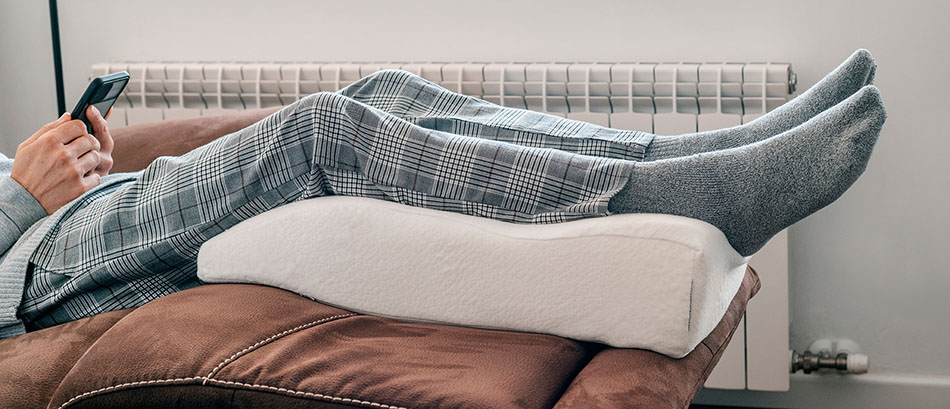
Słabe krążenie wynika z niewystarczającego przepływu krwi do jednego lub więcej obszarów ciała. Układ krążenia przenosi krew, składniki odżywcze i tlen w całym organizmie. Gdy krążenie w określonym obszarze jest zmniejszone, może to powodować objawy , takie jak drętwienie i mrowienie, obrzęk, skurcze mięśni i przebarwienia skóry.
Improving circulation starts with simple habits that keep blood moving throughout the body. Regular movement and exercise, staying hydrated, avoiding long periods of sitting or standing, not smoking, and using compression when appropriate can all support healthy blood flow. However, persistent leg swelling, aching, heaviness, cramping, or skin changes may indicate an underlying vein or vascular condition that lifestyle changes alone cannot resolve.
Na szczęście zwiększenie przepływu krwi może być proste dzięki odpowiednim metodom. Dowiedz się, jak poprawić krążenie w nogach, ramionach i innych częściach ciała z tego kompletnego przewodnika.
Przyczyny słabego krążenia
Nieprawidłowe krążenie może wynikać z różnych czynników, od siedzącego trybu życia po schorzenia. Niektóre typowe przyczyny słabego krążenia obejmują:
- Blood clots: Blood clots are clumps of blood that partially or completely block healthy blood flow. While they can accumulate nearly anywhere in the body, clots in the legs or arms, in particular, can cause circulation problems.
- Peripheral artery disease (PAD): PAD causes the arteries to narrow and reduces blood flow over time, specifically in the legs.
- Varicose veins: Varicose veins are bulging, twisted veins with a dark purple or blue appearance. They develop when veins and valves stop functioning properly, causing blood to pool and collect in the legs instead of traveling upward.
- Diabetes: Consistently high blood glucose levels can develop fatty deposits within the blood vessels. Over time, these deposits can harden and narrow the vessels, decreasing circulation in the legs, arms, hands and feet.
- Raynaud’s syndrome: Raynaud’s syndrome causes coldness and numbness in the fingers and toes, usually in response to cold temperatures or stress. The condition causes the small arteries in your hands and feet to narrow temporarily, limiting blood flow.
- Deep vein thrombosis: Deep vein thrombosis (DVT) occurs when a thrombus, or blood clot, develops in the deep veins of the legs. It often forms when a person does not move for long durations, such as bed rest or traveling. DVT becomes more severe when the blood clots break loose, get stuck in the lungs and prevent blood flow, also known as a pulmonary embolism.
- Atherosclerosis: Atherosclerosis occurs when plaque, the buildup of cholesterol, fats and other substances, attach inside and around the artery walls, reducing blood flow. Plaque can cause arteries to narrow over time. It can also rupture, potentially resulting in a blood clot.
Osoby palące, w wieku powyżej 40 lat, z wysokim ciśnieniem krwi i prowadzące siedzący tryb życia są również bardziej narażone na słabe krążenie.
Dlaczego warto poprawić krążenie?
Healthy blood circulation helps deliver oxygen and nutrients throughout the body while carrying waste products away from tissues. Good circulation is especially important in the legs, where veins have to work against gravity to return blood to the heart.
Some people may notice signs of circulation problems in the legs, including swelling, aching, heaviness, cramping, numbness, cold feet, or skin changes. These symptoms can have many causes, so persistent or worsening symptoms should be evaluated by a healthcare professional.
Daily habits such as regular movement, maintaining a healthy weight, staying hydrated, eating a balanced diet, and avoiding smoking can support overall vascular health. However, lifestyle changes alone may not resolve an underlying condition such as chronic venous insufficiency, varicose veins, or peripheral artery disease.
Jak naturalnie poprawić krążenie krwi
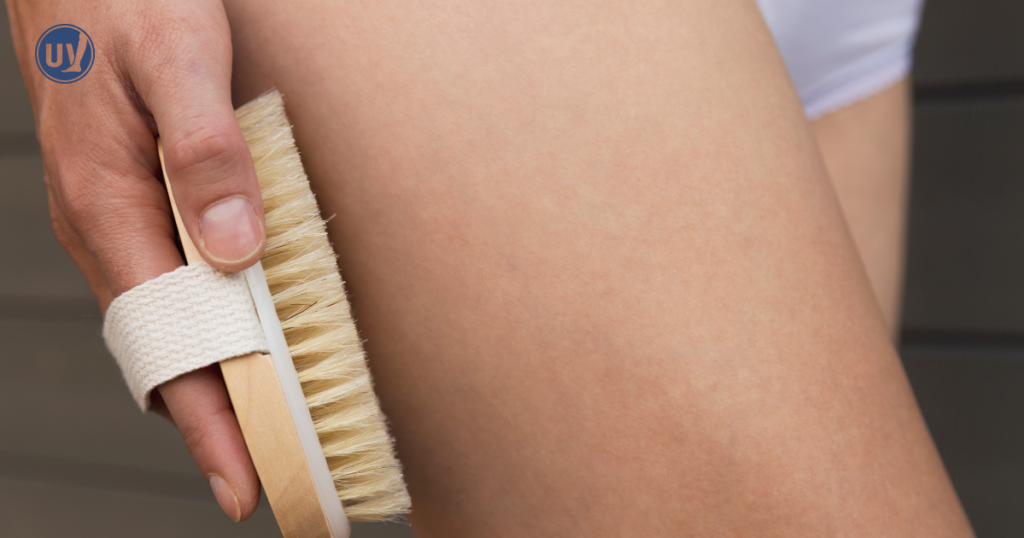
Jeśli zastanawiasz się, jak naturalnie zwiększyć przepływ krwi w nogach, poniżej znajdziesz kilka prostych sposobów na poprawę krążenia.
1. Hydrat
Kiedy jesteś odwodniony, twoje ciało zmniejsza krążenie krwi, aby zmagazynować energię. Serce bije szybciej, aby to zrekompensować, podnosząc tętno i ciśnienie krwi. Odwodniona krew zatrzymuje również więcej sodu, zagęszczając krew i komplikując krążenie. Picie dużej ilości wody ułatwia sercu pompowanie krwi i pomaga tlenowi dotrzeć do mięśni.
2. Avoid Staying in One Position Too Long
Long periods of sitting or standing can contribute to blood pooling in the legs and may worsen swelling or discomfort. If you sit for much of the day, try getting up and walking or stretching regularly. If your job requires prolonged standing, changing positions and taking short movement breaks can also help.
Simple movements such as ankle pumps and calf raises can be done throughout the day to encourage blood flow in the lower legs.
3. Nosić pończochy uciskowe
Pończochy uciskowe to długie skarpety zaprojektowane w celu zapobiegania obrzękom i zakrzepom krwi poprzez delikatne uciskanie mięśni nóg i kostek. Odzież ta jest idealna, jeśli masz słabe krążenie w nogach i stopach lub gdy podróżujesz lub siedzisz przez dłuższy czas. Chociaż pończochy uciskowe nie są w stanie wyleczyć żylaków, mogą pomóc złagodzić związany z nimi dyskomfort.
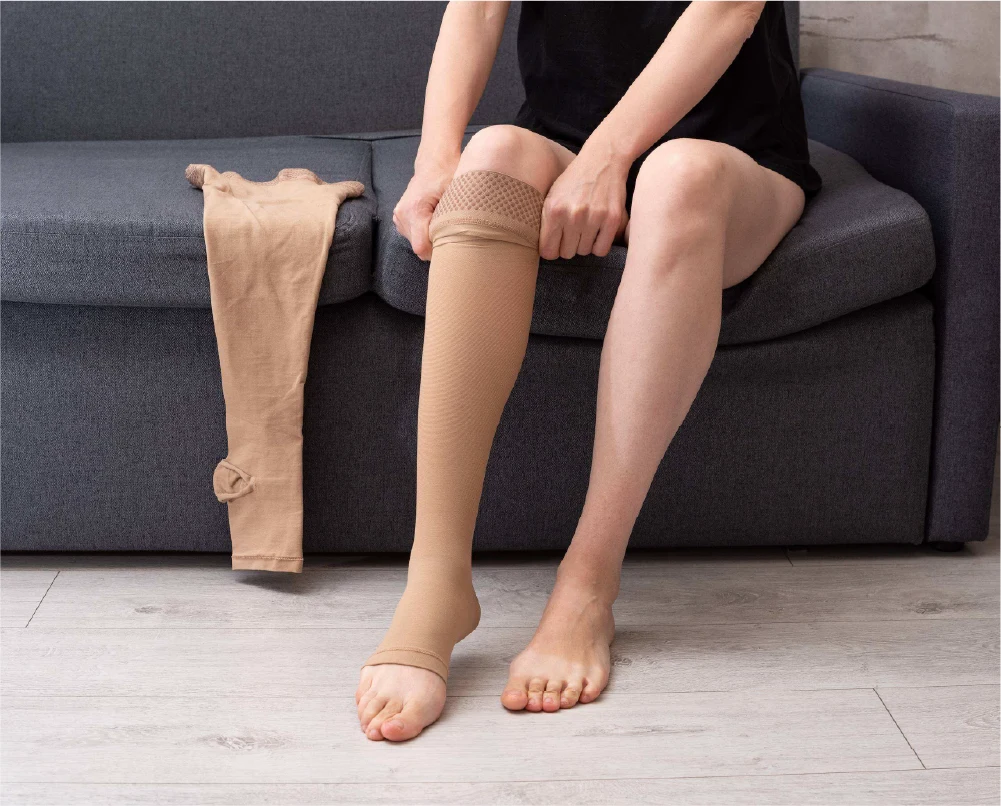
Pończochy uciskowe są niedrogie i powszechnie dostępne w aptekach bez recepty. Spróbuj unieść nogi podczas noszenia pończoch uciskowych, aby dodatkowo poprawić krążenie.
4. Targeted Leg Exercises
Ćwiczenia ukierunkowane konkretnie na nogi mogą mieć kluczowe znaczenie dla poprawy krążenia krwi. Unoszenie nóg, unoszenie łydek i pompki na kostkach to proste, ale skuteczne ruchy, które stymulują przepływ krwi w kończynach dolnych. Ćwiczenia te można wykonywać w domu lub w pracy, co czyni je wygodnymi dla osób z napiętym harmonogramem. Regularne wykonywanie tych ćwiczeń może zapobiec gromadzeniu się krwi w nogach, zmniejszając ryzyko wystąpienia żylaków i innych problemów z krążeniem.
Some additional exercises that are great for your veins include running, walking and biking. You can also try lower-impact activities like swimming and yoga. Strength training exercises like lifting weights are another excellent circulation booster.
5. Unikać palenia
The chemicals in cigarette smoke cause swollen and inflamed cells around the blood vessels. This can narrow the vessels, possibly leading to a variety of cardiovascular diseases. All tobacco products, even smokeless tobacco, can thicken your blood and damage artery walls.
Często zadawane pytania
Early signs of poor circulation often include numbness or tingling in the hands or feet, leg fatigue, swelling, muscle cramps, cold extremities, and skin discoloration. These symptoms may worsen after long periods of sitting or standing and should be evaluated if they persist.
Yes! Staying hydrated, exercising regularly, avoiding smoking, wearing compression stockings, and maintaining a balanced diet can all help support healthy blood flow. However, if circulation problems are caused by underlying vein or artery disease, lifestyle changes alone may not fully resolve symptoms.
You should consider seeing a vein specialist if you experience ongoing leg pain, swelling, burning, heaviness, visible veins, or circulation symptoms that do not improve with self-care. A specialist can diagnose the underlying cause and recommend targeted treatment options to improve blood flow and comfort.
Zaplanuj konsultację ze specjalistą ds. żył
Wiedza o tym, jak zwiększyć krążenie krwi w organizmie jest ważna dla ogólnego stanu zdrowia. Jeśli masz do czynienia z nieprawidłowościami żył, takimi jak żylaki, a krążenie nie poprawia się dzięki metodom samoopieki, kolejnym krokiem może być spotkanie ze specjalistą od żył.
W United Vein & Vascular Centers leczymy każdego pacjenta przy użyciu najnowszych technologii, najnowocześniejszego sprzętu i troskliwej opieki. Wykonujemy minimalnie inwazyjne zabiegi na żyłach, w tym ablację prądem o częstotliwości radiowej (RFA), skleroterapię i inne.
Kiedy odwiedzisz naszą placówkę w celu konsultacji, pomożemy Ci lepiej zrozumieć, co dzieje się z Twoimi nogami i żyłami, zapewniając różne opcje leczenia i pomagając wybrać najlepszą dla Ciebie. Skontaktuj się z nami już dziś, aby umówić się na konsultację!