


Zawartość
- “Why does part of my leg feel warm compared to the rest?”
- Q: Why does part of my leg feel warm compared to the rest?
- Q: Can a warm leg be related to a blood clot?
- Q: How do vein doctors check for a blood clot in the leg?
- Q: Are there other reasons a leg might feel warm?
- Q: When should I seek medical care?
- Q: If a circulation issue is causing warmth in the leg, what treatment options are available?
- Q: Can compression help if my leg feels warm and swollen?
- Często zadawane pytania
- What’s Next in the Ask the Doc Series
Welcome back to Ask the Doc, an educational series from United Vein & Vascular Centers designed to provide clear, physician-led answers to common questions about vein and vascular health. Each week, a UVVC physician explains everyday symptoms and what they may mean medically.
In this installment, Dr. Elizabeth Harvey addresses a symptom that can sometimes cause concern:
“Why does part of my leg feel warm compared to the rest?”
Q: Why does part of my leg feel warm compared to the rest?
Dr. Harvey:
A warm sensation in one area of the leg can be caused by increased blood flow, inflammation, or a circulation issue. In some cases, it may be related to minor conditions such as muscle strain or skin irritation. However, it can also be associated with more serious circulation problems that require medical attention.
Q: Can a warm leg be related to a blood clot?
Dr. Harvey:
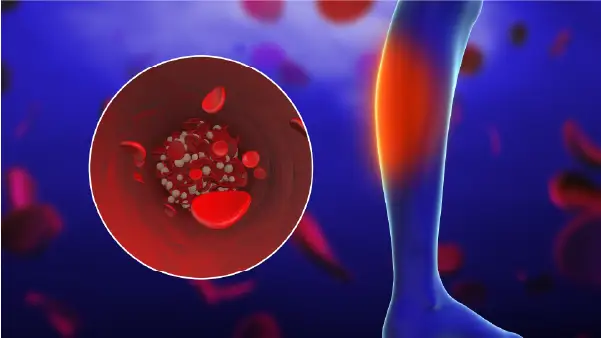
Yes, it can. A condition called deep vein thrombosis (DVT) occurs when a blood clot forms in a deep vein, most commonly in the leg. One potential sign of DVT is warmth in the affected area, often along with swelling, tenderness, or redness.
Because DVT can lead to serious complications, sudden leg warmth accompanied by swelling or pain should be evaluated promptly.
Q: How do vein doctors check for a blood clot in the leg?
Dr. Harvey:
If a blood clot is suspected, a provider may perform a duplex ultrasound, which allows specialists to visualize blood flow in the veins and identify any clots or blockages.
In some cases, a D-dimer blood test may also be used to detect substances released when clots form and break down. Together, these tools help determine whether a clot is present and guide the appropriate treatment.
Q: Are there other reasons a leg might feel warm?
Dr. Harvey:
Yes. Warmth in the leg can also be caused by:
- Muscle strain or overuse
- Skin infections or inflammation
- Superficial vein inflammation
- Circulation changes after an injury
While these causes are often less serious, unexplained warmth, especially when accompanied by swelling or pain, should still be evaluated by a medical professional.
Q: When should I seek medical care?
Dr. Harvey:
You should seek medical attention promptly if you experience:
- Warmth in one leg along with swelling
- Leg pain without a clear injury
- Redness or tenderness in the leg
- Shortness of breath or chest pain
Shortness of breath or chest pain can indicate a serious complication and require emergency care. For leg symptoms alone, a vascular or vein specialist can evaluate your circulation and determine the next steps.
Q: If a circulation issue is causing warmth in the leg, what treatment options are available?
Dr. Harvey:
Treatment depends on the underlying cause of the symptom. If warmth in the leg is related to a circulation issue such as vein disease or inflammation, the goal is to improve blood flow and reduce pressure in the affected veins.
At United Vein & Vascular Centers, treatment is typically minimally invasive and performed in an outpatient setting. Options may include compression therapy to support circulation, as well as image-guided procedures designed to close or redirect blood away from damaged veins so healthier veins can restore normal flow.
These treatments are performed using local anesthesia, require little to no downtime, and are personalized based on ultrasound findings, symptoms, and overall vascular health. By addressing the root cause of the circulation issue, many patients experience relief from discomfort, swelling, and related symptoms.
Q: Can compression help if my leg feels warm and swollen?
Dr. Harvey:
In some circulation-related conditions, compression therapy can help support blood flow and reduce swelling. However, compression should only be used after a proper medical evaluation, especially if a blood clot is a possibility.
Często zadawane pytania
No. Many conditions can cause warmth in the leg, but a blood clot is an important possibility that should be ruled out.
Yes. Muscle strain or inflammation can increase blood flow to an area, creating warmth.
DVT may also cause swelling, pain, redness, and tenderness in the affected leg.
It can be urgent, especially if symptoms appear suddenly or are accompanied by pain. Prompt medical evaluation is recommended.
A vascular or vein specialist can evaluate circulation and determine whether further testing or treatment is needed.
What’s Next in the Ask the Doc Series
A warm sensation in the leg can sometimes signal underlying circulation changes that shouldn’t be ignored. The Ask the Doc series continues to explore how vein and vascular conditions show up in everyday symptoms that patients may not immediately connect to circulation.
In our next installment, Dr. Mordechai Twena will answer another common question patients ask about vein and vascular health: why do some people develop varicose veins while others don’t? He’ll break down the role of genetics, circulation, and lifestyle factors in vein disease and explain when early symptoms should be evaluated.
If you’re experiencing unexplained warmth, swelling, or other leg symptoms, you don’t have to wait, find a United Vein & Vascular Centers clinic near you and schedule an evaluation with one of our specialists.
Medically reviewed by Dr. Domenic Zambuto, National Medical Director at United Vein & Vascular Centers. Board-certified in vascular and interventional radiology, Dr. Zambuto has more than 20 years of experience treating vascular disease and helping patients manage complex vein and circulatory conditions.