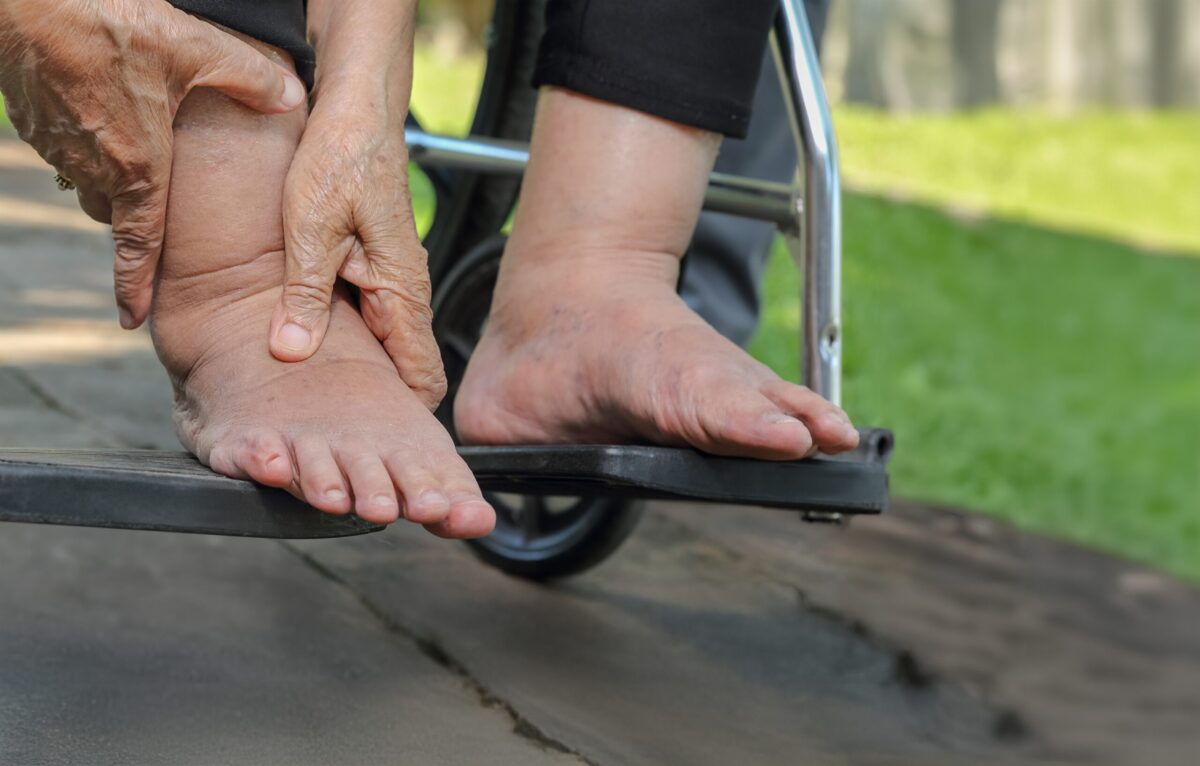
If you notice your ankles or feet are swelling more during the warmer months, you’re not alone. Many people experience increased leg swelling in hot weather, especially after long periods of standing, sitting, or being active outdoors. While mild swelling can be a normal response to heat, it can also be a sign that your circulation isn’t working as efficiently as it should be.
Understanding why this happens, and when it may point to an underlying vein issue, can help you take the right steps to stay comfortable and protect your vein health.
How Heat Affects Blood Vessels
Warm weather can have a direct impact on how your blood vessels function. When temperatures rise, blood vessels naturally expand, a process known as vasodilation. This helps your body regulate temperature, but it can also make it harder for blood to circulate efficiently back to the heart.
As veins widen, the valves inside them may not close as effectively. This can slow blood flow and allow fluid to collect in the lower legs, contributing to swelling in the ankles and feet.
Why Swelling Occurs in the Lower Legs
The ankles and lower legs are especially prone to swelling because they are the lowest point in the body when standing or sitting. Gravity pulls blood downward, and if circulation is not working efficiently, fluid can begin to pool in these areas.
During warmer weather, this effect can become more noticeable. Prolonged standing, sitting, or travel can further increase pressure in the leg veins, making swelling more likely as the day goes on.

Symptoms Linked to Venous Insufficiency
While occasional swelling can happen to anyone, frequent or persistent swelling may be linked to chronic venous insufficiency. This condition occurs when vein valves are not functioning properly, allowing blood to flow backward and collect in the legs.
In addition to swelling, symptoms may include:
- Ciężkość lub zmęczenie nóg
- Aching or throbbing discomfort
- Widoczne żylaki lub pajączki
- Skin changes, such as discoloration or dryness near the ankles
- Cramping or restlessness, especially at night
These symptoms may worsen in warm weather due to increased pressure in the veins.
When Swelling May Signal a Circulation Problem
Not all swelling is a cause for concern, but certain patterns may indicate an underlying circulation issue. If swelling occurs regularly, worsens throughout the day, or is accompanied by pain or skin changes, it may be a sign of vein disease.
Swelling that does not improve with rest or elevation, or that affects only one leg, should be evaluated more closely. Identifying the cause early can help prevent symptoms from progressing and improve overall comfort.
Ways to Reduce Warm Weather Leg Swelling
There are several simple strategies that may help reduce swelling during warmer months and support healthy circulation.
- Elevate your legs when possible to reduce pressure in the veins
- Stay active with light movement, such as walking, to promote blood flow
- Avoid prolonged periods of standing or sitting without movement
- Wear compression socks to support circulation
- Stay hydrated, as proper hydration supports overall vascular function
These steps can help manage symptoms, especially during hot weather or long days on your feet.

When to Seek Medical Evaluation
If swelling becomes persistent, uncomfortable, or begins to interfere with your daily activities, it may be time to seek a professional evaluation. A vein specialist can assess your symptoms and determine whether an underlying condition, such as venous insufficiency, is contributing to the issue.
A non-invasive ultrasound is often used to evaluate circulation and identify any areas where blood flow may be impaired. Based on these findings, a personalized treatment plan can be developed to help improve circulation and reduce symptoms.
Często zadawane pytania
Heat causes blood vessels to expand, which can slow circulation and lead to fluid pooling in the lower legs and ankles.
Mild swelling can be common in hot weather, but persistent or worsening swelling may indicate an underlying circulation issue.
Yes, conditions like chronic venous insufficiency can cause blood to pool in the legs, leading to swelling, especially in the ankles.
Yes, walking helps activate the calf muscles, which support blood flow back toward the heart and can reduce swelling.
You should seek evaluation if swelling is persistent, worsening, painful, or accompanied by skin changes or visible veins.
Feel More Comfortable, Even in the Heat
Swelling in the ankles during warm weather is common, but it shouldn’t be something you have to live with, especially if it’s happening regularly or getting worse over time. Understanding what’s causing your symptoms is the first step toward finding relief.
At United Vein & Vascular Centers (UVVC), our specialists provide comprehensive vein evaluations and minimally invasive treatments designed to improve circulation and reduce swelling.
Take the next step toward healthier legs by connecting with a UVVC specialist and exploring your treatment options.