
Tingling in Legs
Tingling in the legs can feel like pins and needles, prickling, or a foot or leg “falling asleep.” It may affect one or both legs, occur briefly after sitting in an awkward position, or return without an obvious trigger. Tingling that persists, interrupts sleep, affects walking, or occurs with numbness, weakness, swelling, or skin changes should be evaluated to help identify the underlying cause.
Symptoms That May Occur Along with Tingling Legs
- Numbness, burning, or reduced sensitivity in the legs or feet
- Shooting pain, muscle weakness, or difficulty with balance
- Swelling, aching, heaviness, or changes in skin color or temperature
Tingling in the legs can have several possible causes, including nerve, circulation, and musculoskeletal conditions. When tingling occurs alongside symptoms such as leg swelling, aching, heaviness, fatigue, or visible veins, it may be due to an underlying vein condition.
A vein screening at United Vein & Vascular Centers can help determine if your symptoms would improve with vein treatment.
Solicitar una evaluación

What Causes a Tingling Sensation in the Legs?
Tingling often develops in the legs when pressure or damage affects the nerves that carry sensation. Temporary pressure from crossing your legs or remaining in one position may cause brief pins and needles that improve after moving. Persistent symptoms may be related to nerve compression in the back, peripheral neuropathy, diabetes, vitamin deficiencies, or certain medications. Reduced blood flow can also cause numbness or tingling, particularly when accompanied by a cold foot, pain during or after exercise, or slow-healing wounds.
- Temporary pressure on a nerve from sitting or positioning
- Sciatica or other nerve compression
- Peripheral neuropathy
- Diabetes-related nerve damage
- Vitamin B12 deficiency
- Certain medications, including some chemotherapy drugs
- Thyroid disorders
- Peripheral artery disease (PAD)
Vein disease more commonly causes symptoms such as leg swelling, aching, heaviness, itching, cramping, or visible veins. While some people with vein disease may also experience tingling, tingling by itself is not usually considered a primary sign of venous insufficiency.

When To Seek Care for Leg Tingling
Most cases of occasional tingling in the legs are not an emergency. However, recurring, persistent, or worsening symptoms may signal an underlying nerve, circulation, or medical condition that should be evaluated by a healthcare provider.
Consider scheduling an evaluation if you experience:
- Tingling that occurs frequently or does not go away
- Symptoms that interfere with walking, exercise, sleep, or daily activities
- Tingling accompanied by leg pain, cramping, swelling, heaviness, or visible vein changes
- Numbness, burning, weakness, or changes in sensation that are gradually worsening
- Tingling that affects both feet or legs and occurs regularly
- Symptoms associated with diabetes, peripheral neuropathy, or circulation concerns
Seek immediate medical care if you experience:
- Sudden tingling or numbness with one-sided weakness, facial drooping, difficulty speaking, or vision changes
- Tingling accompanied by new loss of bladder or bowel control, numbness around the groin, or rapidly worsening leg weakness
- Severe leg or foot pain that develops suddenly with coldness, paleness, numbness, or difficulty moving the limb
If you’re unsure what’s causing your symptoms, a medical evaluation can help determine whether tingling is related to a nerve condition, circulation problem, or another underlying health concern.
What Will a Provider Check?
Nerve Function
Changes in sensation, reflexes, muscle strength, or balance may suggest a nerve-related cause. Tingling that travels from the lower back down one leg may prompt evaluation for nerve compression, such as sciatica. Tingling that affects both feet may lead to testing for peripheral neuropathy or underlying conditions such as diabetes or vitamin deficiencies.
Circulation and Leg Changes
A provider may examine pulses, skin temperature, color changes, swelling, and visible veins. A cold foot, weak pulses, leg pain during walking, or slow-healing wounds may warrant evaluation for reduced arterial blood flow. Swelling, heaviness, aching, itching, varicose veins, or skin changes near the ankles may prompt further evaluation for chronic venous insufficiency.
How Is the Tingling Diagnosed?
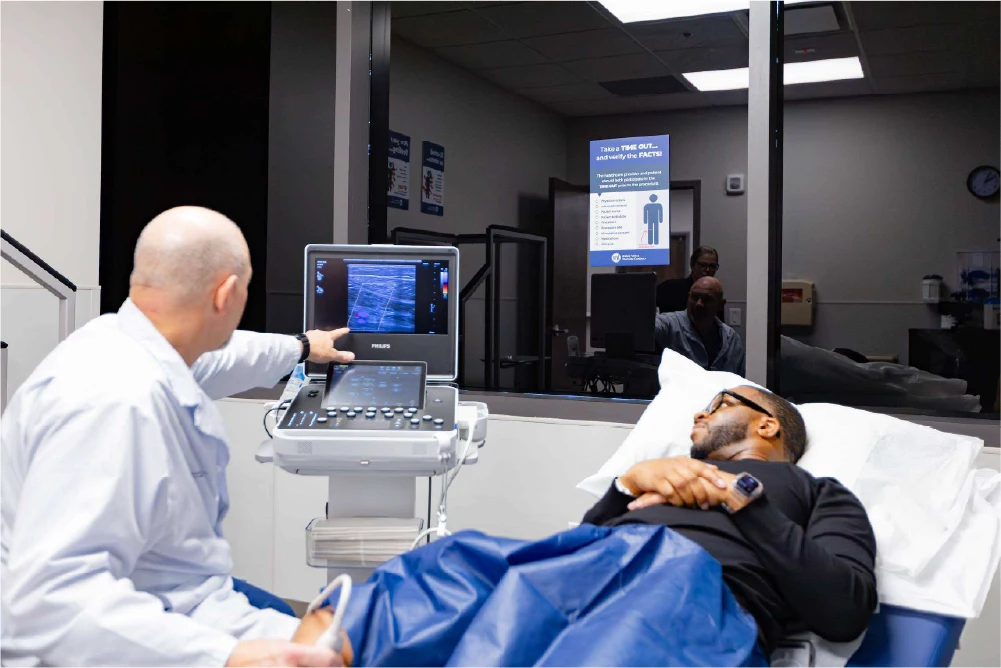
Evaluation begins with the location and pattern of the tingling. A provider may ask whether it affects one or both legs, starts in the back, extends into the feet, follows a particular position, or becomes more noticeable during walking or at night. The examination may check sensation, strength, reflexes, pulses, skin temperature, and swelling. These findings help determine which tests or specialist evaluation may be appropriate.
Evaluation may include:
- A review of symptoms, medical history, medications, and existing health conditions
- A physical examination of nerve function and circulation
- Bloodwork, nerve testing, spinal imaging, or circulation testing based on the findings
- Duplex ultrasound when accompanying symptoms suggest a vein-related problem
If a vein ultrasound is recommended after a screening, it may be scheduled for a later appointment.
Treatment Options When Vein Disease Is Also Present
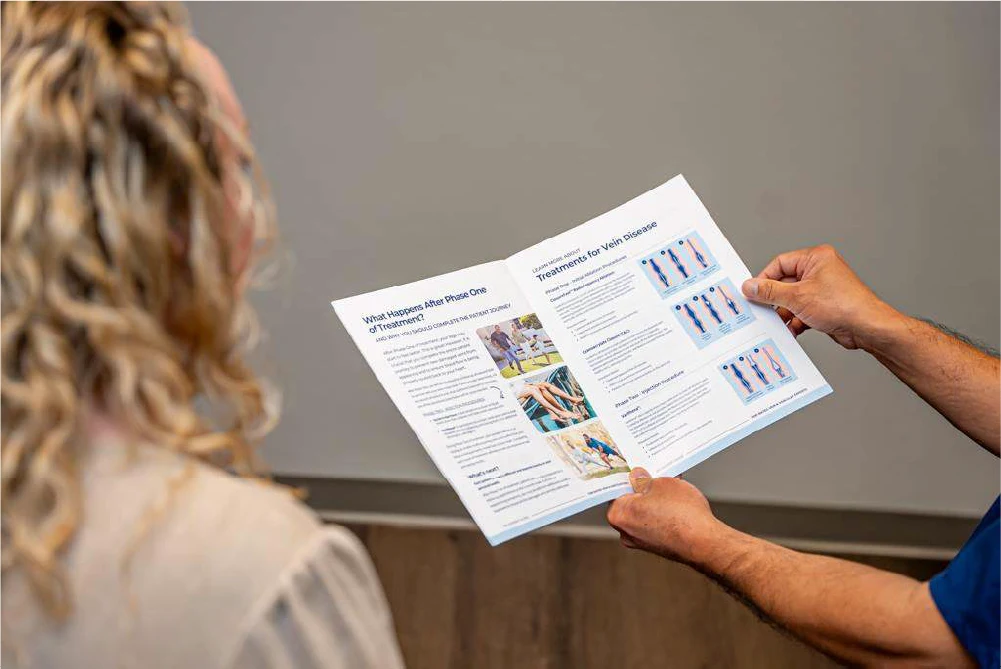
Treatment for tingling depends on its cause. Nerve compression, neuropathy, vitamin deficiencies, and arterial circulation problems require different approaches. When an evaluation also identifies vein disease, care may address accompanying swelling, aching, heaviness, or skin changes. Vein treatment should not be considered a solution to tingling caused by a separate nerve condition.
Vein-related treatment options may include:
- Compression therapy: Properly fitted compression stockings may help manage swelling and other venous symptoms when a provider determines they are appropriate.
- Lifestyle recommendations: Walking, leg elevation, and regular breaks from prolonged sitting or standing may help manage vein-related discomfort.
- Radiofrequency ablation (RFA): Uses controlled heat to close an affected vein so blood can reroute through healthier veins nearby.
- VenaSeal™: Uses a medical adhesive to close an affected vein without heat.
- Varithena®: Uses an injectable microfoam to close certain affected veins.
- Ultrasound-guided sclerotherapy: Uses ultrasound imaging to guide a medical solution or foam into a targeted vein, causing it to close.
Recommendations for minimally invasive vein procedures depend on symptoms, medical history, ultrasound findings, and vein anatomy. Individual results vary.
Artículos relacionados