

Leg Numbess
Leg numbness is a reduced or absent sense of touch, pressure, pain, or temperature in part of the leg or foot. The affected area may feel dull, heavy, or disconnected. Temporary numbness can develop from sitting in one position or placing pressure on a nerve. Numbness that persists, returns, affects walking, or occurs with weakness, swelling, pain, or temperature changes should be evaluated.
Associated Symptoms
- Tingling, burning, or a pins-and-needles sensation
- Leg weakness, balance problems, or difficulty walking
- Coldness, skin color changes, swelling, or a slow-healing sore
If numbness develops alongside swelling, heaviness, aching, skin changes, or visible veins, schedule a consultation with United Vein & Vascular Centers to learn whether vein disease may be contributing to your symptoms.

Solicitar una consulta

What Causes Leg Numbness?
Leg numbness most often develops when a nerve is compressed, irritated, or damaged. It can also occur when an underlying condition affects the nerves, spine, or blood flow to the legs. Although vein disease is not a common direct cause of numbness, reduced sensation may occur alongside vein-related symptoms such as swelling, heaviness, aching, and skin changes.
Possible causes include:
- Temporary pressure on a nerve from sitting or remaining in one position
- Sciatica or another compressed nerve in the lower back
- Peripheral neuropathy
- Diabetes-related nerve damage
- Vitamin B12 deficiency or another nutritional deficiency
- Certain medications, including some chemotherapy drugs
- An injury affecting a nerve or the spine
- Peripheral artery disease
- Certain neurological conditions
Persistent or recurring numbness should be evaluated to identify the underlying cause. When numbness occurs with swelling, heaviness, aching, skin discoloration, or visible veins, United Vein & Vascular Centers can assess whether vein disease may also be contributing to the symptoms.
Recognize Symptoms That Require Emergency Care
Possible Neurological Emergency
Call 911 for numbness affecting one side of the body, particularly when it occurs with facial drooping, arm or leg weakness, confusion, difficulty speaking, vision changes, dizziness, or loss of balance.
Seek emergency care for numbness accompanied by new loss of bladder or bowel control, loss of sensation around the groin, severe back pain, or rapidly worsening leg weakness. These symptoms may indicate serious pressure on the spinal nerves.
Possible Circulation Emergency
Seek emergency care for a leg or foot that becomes numb, cold, pale, severely painful, weak, or difficult to move. These changes may indicate a severe loss of blood flow that requires immediate evaluation.
Call 911 when symptoms are severe or movement is affected. Emergency symptoms should not wait for a routine vein screening.

How Is Leg Numbness Diagnosed?
Diagnosis begins with identifying where the numbness occurs, how long it lasts, and whether it affects one or both legs. A provider may also ask about back pain, injuries, diabetes, medications, recent procedures, and symptoms such as weakness, swelling, skin changes, or difficulty walking.
Evaluation may include:
- Symptom and medical history: A provider may ask when the numbness began, whether it comes and goes, and what makes it better or worse.
- Physical examination: Sensation, muscle strength, reflexes, balance, skin condition, temperature, and pulses may be evaluated.
- Blood tests: Testing may be used to look for diabetes, vitamin deficiencies, thyroid disorders, or other conditions that can affect the nerves.
- Nerve or spine evaluation: Nerve conduction testing, electromyography, or imaging may be recommended when nerve compression or damage is suspected.
- Arterial testing: Circulation testing may be appropriate when numbness occurs with coldness, paleness, pain during activity, weakness, or a slow-healing sore.
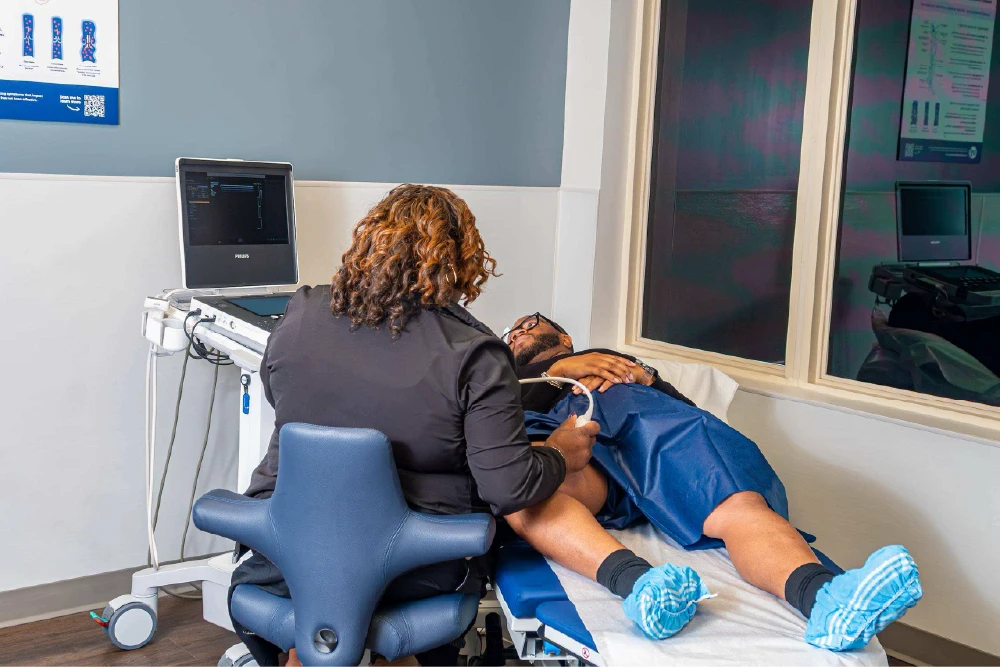
- Vein evaluation: Duplex ultrasound may be recommended when numbness occurs with swelling, heaviness, aching, skin changes, or visible veins.
A vein screening can help determine whether venous circulation should be evaluated further. If diagnostic ultrasound is appropriate, it may be scheduled for a later appointment.
Treatment Options for Leg Numbness
Treatment depends on what is causing the numbness. Nerve compression, peripheral neuropathy, diabetes, nutritional deficiencies, and arterial circulation problems require different approaches. When an evaluation also identifies vein disease, treatment may help manage accompanying swelling, aching, heaviness, fatigue, or skin changes. It should not be assumed to resolve numbness caused by nerve damage or another unrelated condition.
When vein disease is present, treatment options may include:
- Compression therapy: Properly fitted compression garments may help manage swelling and other vein-related symptoms when medically appropriate. Because numbness can reduce sensation and may occur with arterial disease, do not begin compression therapy without guidance from a healthcare provider.
- Lifestyle recommendations: Walking, leg elevation, position changes, and breaks from prolonged sitting or standing may be recommended to support circulation.
- Radiofrequency ablation (RFA): This minimally invasive vein procedure uses radiofrequency energy to heat and close an affected vein, allowing blood to naturally reroute through healthier veins nearby.
- VenaSeal™: This adhesive-based vein closure procedure places a medical adhesive into an affected vein to close it, allowing blood to naturally reroute through healthier veins nearby.
- Varithena®: This injectable foam treatment closes certain affected veins so blood can naturally reroute through healthier veins nearby.
- Ultrasound-guided sclerotherapy: Ultrasound imaging is used to locate an affected vein beneath the skin and guide a medical solution or foam into the targeted vein, causing it to close.
Treating vein disease may improve accompanying vein-related symptoms, but it may not correct numbness caused by a neurological, metabolic, or arterial condition. Treatment recommendations are individualized based on the diagnosis, medical history, imaging results, and symptoms.
Artículos relacionados