

Blood Clots in Legs
Blood clots in the legs develop in veins near the skin’s surface or in deeper veins. The location of the clot affects how serious it may be and what treatment is appropriate. Because deeper clots, also known as deep vein thrombosis or DVT, can lead to serious complications, unexplained leg swelling, pain, redness, or warmth should be evaluated promptly.
Symptoms of a Blood Clot in the Leg
- Swelling in one leg or a noticeable difference in leg size
- Pain, tenderness, cramping, or a firm vein that is sore to the touch
- Warmth, redness, or discoloration around the affected area
Seek immediate medical attention or call 911 if you have symptoms of a blood clot along with:
- Falta de aliento repentina
- Chest pain, especially when taking a deep breath
- Rapid heartbeat or heart palpitations
- Tos con sangre
- Fainting, dizziness, or feeling lightheaded
These symptoms may indicate that a blood clot has traveled to the lungs, a potentially life-threatening condition known as a pulmonary embolism.
If you believe you may have a non-emergency blood clot in your leg or need follow-up care after a previous blood clot, request a screening with United Vein & Vascular Centers.
Request a Vein Screening
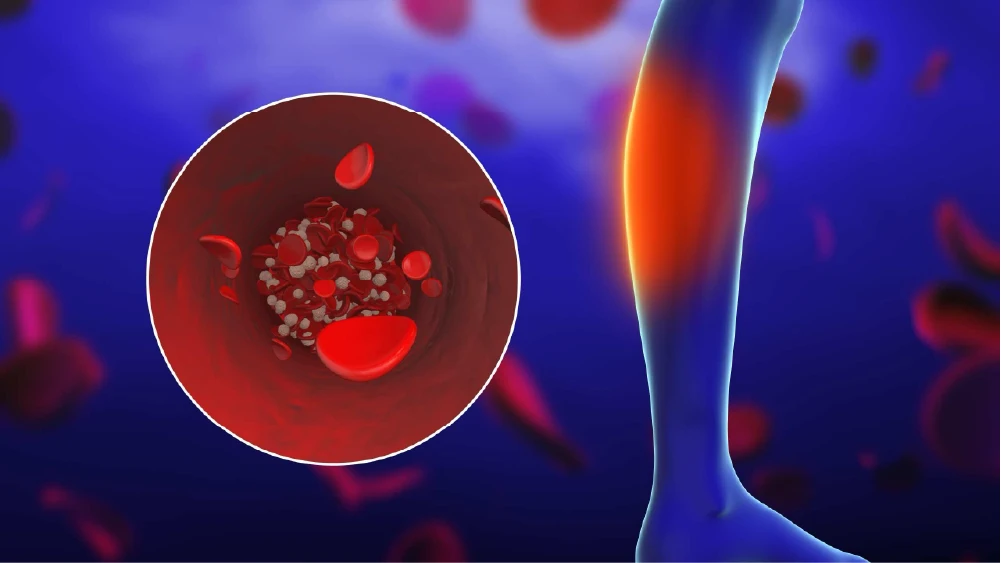
What causes Blood Clots in Legs?
Blood clots can form when blood moves too slowly through a vein, the vein becomes damaged or inflamed, or the blood is more likely to clot than usual. A clot may develop in a superficial vein close to the skin or in a deeper vein within the leg. These clots differ in their symptoms, potential complications, and treatment needs.
Where Blood Clots Happen in the Legs
Superficial Veins
A clot in a vein near the skin’s surface may cause localized redness, warmth, tenderness, swelling, or a firm, cord-like vein. This is often called superficial thrombophlebitis. Although superficial clots are generally less likely to travel to the lungs, they still require evaluation because symptoms can resemble or occur alongside a deeper clot.
Deep Veins
A clot that develops in a deeper vein is called deep vein thrombosis (DVT). DVT may cause swelling, aching, tenderness, warmth, or discoloration, commonly affecting one leg. Part of a deep clot can break away and travel to the lungs, causing a pulmonary embolism (PE).

Who Is at Higher Risk for Blood Clots?
Anyone can develop a blood clot, but certain medical conditions, medications, and situations can increase the risk. Your risk may be higher with:
- Recent surgery, hospitalization, or serious injury
- Bed rest, a leg cast, paralysis, or limited mobility
- Sitting for an extended period during travel
- Pregnancy and the first three months after childbirth
- Birth control or hormone replacement therapy that include estrogen
- Cancer or certain cancer treatments
- Varicose veins or previous vein inflammation
- A previous blood clot
- An inherited blood-clotting disorder
- A family history of blood clots
- Edad avanzada
- Overweight or obesity
- Certain chronic heart, lung, or inflammatory conditions
Some people have several risk factors, while others develop a blood clot without an obvious cause. A provider can assess personal risk and determine whether testing, treatment, or preventive measures may be appropriate.
How Are Blood Clots in Legs Diagnosed?
Pain, swelling, redness, and warmth can also occur with an injury, infection, or another vein condition. Diagnosing a blood clot begins with determining where the symptoms are located, how they developed, and whether the patient has any blood-clot risk factors. A provider may examine the affected area and compare both legs for differences in swelling, tenderness, skin color, and temperature.
Evaluation may include:
- Physical examination: A provider may examine the affected vein or area of the leg and assess swelling, tenderness, warmth, firmness, and skin changes.
- Duplex ultrasound: This noninvasive test uses sound waves to examine blood flow, locate a possible clot, and determine which veins are affected.
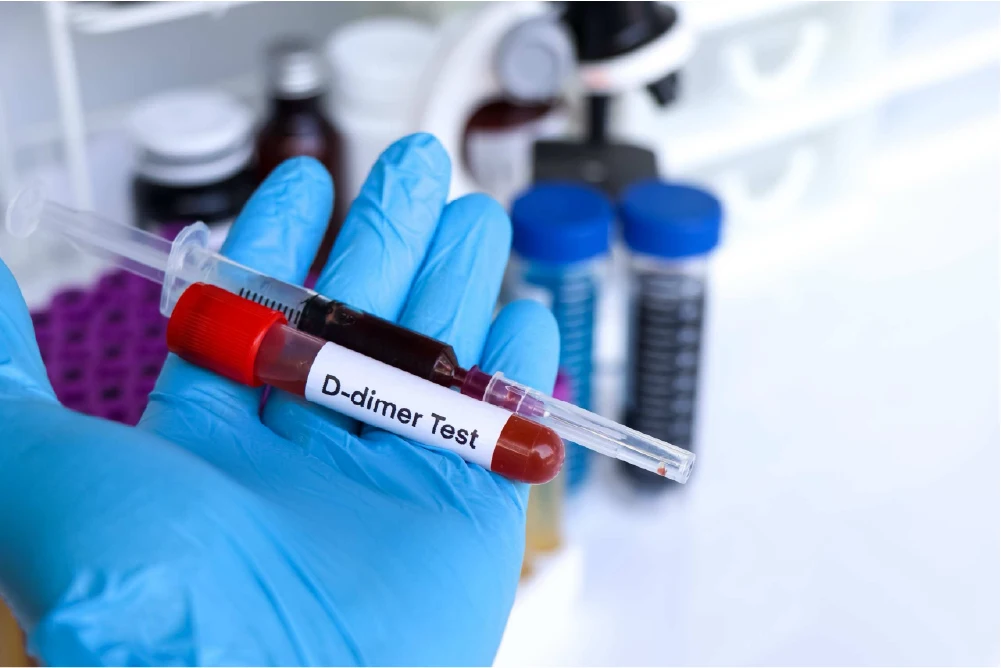
- D-dimer blood test: This test measures a substance released as blood clots break down and may help determine whether additional testing is needed when a deep clot is suspected.
- Additional imaging: Other tests may be recommended when ultrasound results are unclear, or the suspected clot is in an area that is more difficult to evaluate.
The results can help determine whether the clot is superficial or deep and guide the appropriate treatment.

Treatment Options for Blood Clots
Nuestras clínicas ofrecen tratamientos mínimamente invasivos en consulta, diseñados para aliviar los síntomas y favorecer una circulación adecuada.
- Medication Therapy: Anticoagulants (blood thinners) prevent clot growth and new clots from forming.
- Compression Therapy: Custom-fit compression stockings improve venous return and reduce swelling.
- Endovenous Procedures: Catheter-directed thrombolysis or thrombectomy may be used for severe cases.
- Lifestyle Recommendations: Regular movement, hydration, and weight management support long-term vein health.
Nuestros especialistas en venas varicosas personalizan cada plan según su estado y nivel de comodidad.
Artículos relacionados
Preguntas frecuentes
Some blood clots may change or gradually resolve over time, but a suspected blood clot should not be left untreated without medical evaluation. Deep vein thrombosis (DVT) can lead to serious complications, including pulmonary embolism. If you develop unexplained swelling, pain, warmth, redness, or discoloration in one leg, a vein specialist can determine whether testing and treatment are needed.
There is no proven home remedy or natural treatment that can safely dissolve a potentially dangerous blood clot. Treatment depends on the type, location, and severity of the clot and may include anticoagulant medications or other medical interventions. If you suspect a blood clot in your leg, seek medical evaluation rather than attempting to treat it at home.
Yes. Certain medications can increase the risk of developing blood clots, particularly medications containing estrogen, including some forms of birth control and hormone therapy. Individual risk also depends on factors such as age, smoking, previous blood clots, family history, pregnancy, medical conditions, and periods of limited mobility.
Yes. Part of a deep vein thrombosis (DVT) can break away and travel through the bloodstream to the lungs, causing a pulmonary embolism (PE). A PE can be life-threatening. Call 911 for sudden shortness of breath, chest pain, coughing up blood, fainting, or other symptoms of a possible pulmonary embolism.
Yes. Pain from a blood clot in the leg can sometimes feel similar to a muscle cramp or Charley horse. However, symptoms alone cannot reliably determine whether leg pain is caused by a muscle cramp or DVT. Persistent or unexplained calf pain, particularly when accompanied by one-sided swelling, warmth, redness, or discoloration, should be evaluated by a healthcare provider.
Yes. Duplex ultrasound is commonly used to evaluate suspected blood clots in the legs. The noninvasive test uses sound waves to examine blood flow and help determine whether a clot is present and which veins are affected. Ultrasound findings can also help a vein specialist determine appropriate next steps.