
Pelvic Vein Embolization
A Minimally Invasive Treatment for Pelvic Congestion Syndrome
Pelvic vein embolization is a minimally invasive treatment for pelvic congestion syndrome (PCS), a condition associated with abnormal blood flow in the pelvic veins. During the procedure, a vascular specialist uses image guidance to direct a thin catheter to the affected veins. A medical device or solution is then used to close veins that are allowing blood to flow backward and collect. Blood reroutes through healthier veins that can carry it more efficiently toward the heart.
Pelvic vein embolization may help women experiencing chronic pelvic pain, pressure, heaviness, or other symptoms associated with abnormal pelvic venous circulation. The procedure does not require open surgery or the removal of the uterus or ovaries.
At United Vein & Vascular Centers, treatment recommendations are based on each patient’s symptoms, medical history, imaging findings, and personal health goals.

Solicitar una consulta

What Does Pelvic Vein Embolization Treat?
Pelvic vein embolization is used to treat abnormal venous blood flow associated with pelvic congestion syndrome, also referred to as pelvic venous disease.
Healthy veins carry blood back toward the heart. One-way valves inside the veins help prevent blood from moving in the wrong direction. When valves in the ovarian or other pelvic veins weaken, blood may flow backward and collect within the pelvis. The increased pressure can cause veins to enlarge and may contribute to persistent pain or heaviness.
Pelvic vein embolization targets the abnormal veins contributing to this backward flow. Depending on the patient’s anatomy, treatment may involve an ovarian vein, branches of the internal iliac veins, or other affected pelvic veins identified during evaluation.
Women considered for treatment may experience symptoms such as:
- Chronic or recurring pelvic pain
- A dull or aching sensation in the lower abdomen
- Pelvic pressure, fullness, or heaviness
- Pain that worsens after prolonged sitting or standing
- Symptoms that become more noticeable later in the day
- Pain during or after sexual activity
- Pelvic discomfort before or during a menstrual period
- Visible veins around the vulva, buttocks, or upper thighs
- Lower back discomfort associated with pelvic symptoms
Because these symptoms may also be caused by gynecologic, urinary, gastrointestinal, pelvic floor, or musculoskeletal conditions, pelvic vein embolization is not recommended based on symptoms alone.

How Does Pelvic Vein Embolization Work?
Pelvic vein embolization closes veins that are not carrying blood efficiently. Once the affected pathway is closed, blood naturally reroutes through healthier veins.
The physician performs the procedure through a small access point in a vein, commonly in the groin. A thin catheter is carefully guided through the venous system using ultrasound imaging. Contrast material may be introduced during venography to map the pelvic veins, confirm the direction of blood flow, and identify the veins contributing to reflux.
Once the catheter reaches the treatment area, the physician delivers a medical device and/or a solution into the affected pelvic vein. This causes the targeted vein to close, reducing backward blood flow and pressure within the abnormal venous pathway. Blood can then reroute through healthier veins that carry it more efficiently toward the heart.

Who May Be a Candidate for Pelvic Vein Embolization?
Pelvic vein embolization may be considered when a woman has symptoms consistent with pelvic congestion syndrome and imaging identifies abnormal pelvic veins that may be contributing to those symptoms.
Potential candidates may include women who:
- Have persistent or recurring pelvic pain or pressure
- Have symptoms associated with ovarian or pelvic vein reflux
- Experience pain that worsens with standing, sitting, physical activity, or sexual activity
- Have pelvic, vulvar, buttock, or upper-thigh varicose veins connected to a pelvic venous pathway
- Have not experienced enough relief from appropriate conservative care
- Are seeking a minimally invasive treatment option when clinically appropriate
- Have completed an evaluation for other possible causes of chronic pelvic pain
Enlarged pelvic veins may appear on imaging without causing symptoms. For that reason, the decision to recommend embolization should be based on the complete clinical picture rather than imaging findings alone.
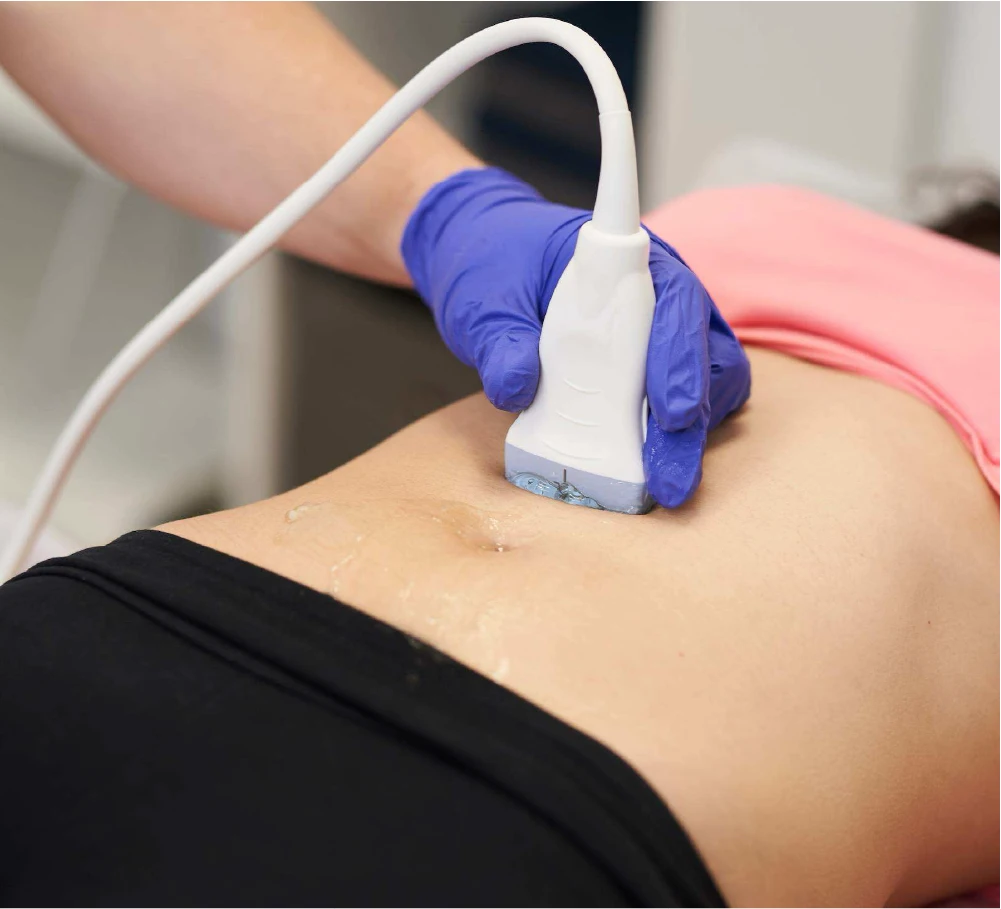
How Is Pelvic Congestion Syndrome Evaluated Before Treatment?
A vascular consultation allows the care team to review the pattern of symptoms, medical history, previous evaluations, and how pelvic discomfort affects daily life.
The provider may ask about:
- Where and when the pain occurs
- How long symptoms have been present
- Whether symptoms worsen later in the day
- Whether prolonged sitting or standing affects the pain
- Previous pregnancies
- Menstrual and reproductive history
- Prior pelvic or abdominal procedures
- Previous evaluations or treatments for pelvic pain
- Current medications and medical conditions
- Future pregnancy plans
Diagnostic imaging may be recommended to evaluate the pelvic veins and look for abnormal blood flow. Depending on the patient’s needs, this may include pelvic ultrasound, computed tomography (CT), magnetic resonance imaging (MRI), or other vascular imaging.
Venography may also be performed during the embolization procedure to map the veins and confirm which pathways require treatment.
Care may be coordinated with an OB/GYN or another specialist when needed. This is particularly important because chronic pelvic pain can have more than one contributing cause.

Preparing for Pelvic Vein Embolization
Before treatment, the care team will provide individualized instructions based on your health, medications, and planned procedure. Be sure to tell your provider about all prescription and over-the-counter medications, vitamins, and supplements you take, especially blood thinners or medications that affect clotting. You should also discuss any kidney concerns, allergies to contrast material, recent illnesses, previous pelvic, abdominal, or vascular procedures, and whether you are pregnant, may be pregnant, or plan to become pregnant.
You may be instructed to avoid eating or drinking for a certain period before the procedure. Do not stop or adjust any medications unless directed by your care team. If sedation will be used, arrange for someone to drive you home after treatment.
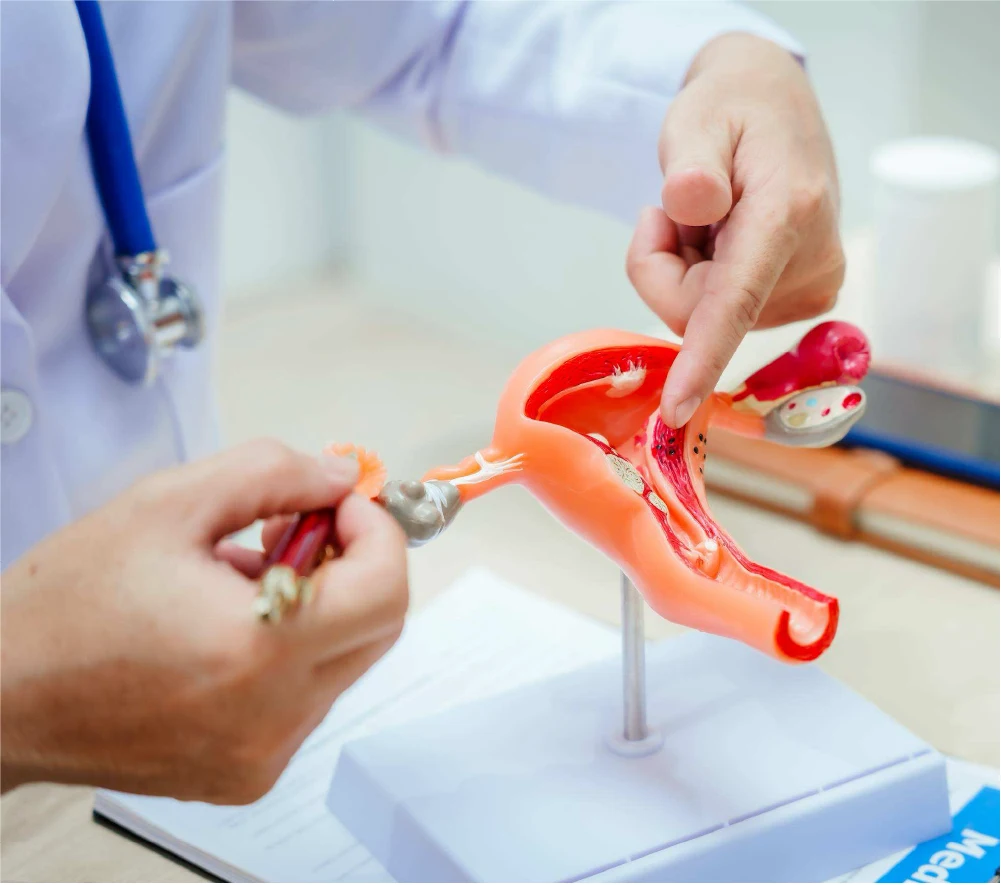
What Happens During Pelvic Vein Embolization?
Pelvic vein embolization is typically performed in a specialized outpatient setting. Although the exact process may vary, the procedure generally includes the following steps:
1. Preparing the access site: The care team cleans the treatment area and administers local anesthesia to help minimize discomfort.
2. Creating vascular access: The physician creates a small access point in a vein, commonly near the groin.
3. Guiding the catheter: A thin catheter is advanced through the venous system using real-time imaging.
4. Mapping the pelvic veins: Contrast material is introduced during venography to identify refluxing veins and evaluate blood-flow patterns.
5. Treating the affected veins: The physician delivers a medical device and/or solution through the catheter to close the targeted abnormal veins.
6. Completing the procedure: The catheter is removed, and pressure or another closure method is applied to the access site.
Local anesthesia and sedation may be used to support patient comfort. The anesthesia plan depends on the procedure and the patient’s individual medical needs.

Potential Benefits of Pelvic Vein Embolization
For certain patients, pelvic vein embolization may offer several potential benefits:
- Minimally invasive treatment
- No large surgical incision
- No removal of the uterus or ovaries
- Targeted treatment of abnormal pelvic veins
- Real-time image guidance
- Outpatient care for many patients
- A small vascular access site
- Less disruption to surrounding organs and tissues than open surgery
- Potential improvement in pelvic pain, pressure, or heaviness
- A relatively short recovery period for many patients
Treatment results vary. The likelihood and degree of improvement depend on the veins involved, severity of symptoms, other possible sources of pelvic pain, and individual patient factors.

Recovery After Pelvic Vein Embolization
Many patients return home the same day after a period of observation. The care team will provide instructions for caring for the access site, managing temporary discomfort, and returning to normal activities.
Temporary effects may include:
- Soreness or bruising near the access site
- Pelvic or lower abdominal aching
- Lower back discomfort
- Cramping or pressure
- Fatiga
- A temporary increase in discomfort as the treated veins respond
Recovery time varies. Many patients return to light daily activities relatively quickly, but temporary restrictions may apply to lifting, strenuous exercise, bathing, work, or sexual activity. Patients should follow the specific instructions provided by their care team.
Symptom improvement may occur gradually as pressure within the abnormal veins decreases. Follow-up care allows the provider to review recovery, discuss changes in symptoms, and determine whether additional imaging or evaluation is appropriate.

¿Por qué elegir United Vein & Vascular Centers?
Chronic pelvic pain can affect work, exercise, intimacy, sleep, and everyday comfort. Finding the cause may also involve several evaluations before a vascular condition is identified.
At United Vein & Vascular Centers, our vascular specialists provide respectful, patient-centered care for women experiencing symptoms that may be related to abnormal pelvic venous circulation. Advanced imaging and catheter-based techniques allow our physicians to evaluate and treat affected veins without open surgery when appropriate.
Every care plan is individualized based on the patient’s symptoms, imaging findings, medical history, and personal goals. When needed, our team can coordinate with OB/GYNs, primary care providers, and other specialists to support continuity of care.
Preguntas frecuentes
Ovarian vein embolization is a type of pelvic vein embolization. Some patients have reflux involving one or both ovarian veins, while others may have additional abnormal pelvic venous pathways. “Pelvic vein embolization” is the broader term because the exact veins treated depend on the patient’s anatomy and imaging findings.
No. Chronic pelvic pain may be caused by gynecologic, urinary, gastrointestinal, pelvic floor, musculoskeletal, neurologic, or vascular conditions. Embolization is considered when the patient’s symptoms and imaging findings support a venous cause that can be treated through a targeted procedure.
Blood redirects through other veins that can carry it more efficiently toward the heart. The treated vein is already allowing blood to flow in the wrong direction, so closing it is intended to reduce backward flow without stopping healthy pelvic circulation.
No. Pelvic vein embolization treats affected veins without removing the uterus or ovaries. It is performed through a small catheter rather than an abdominal or pelvic surgical incision.
Pelvic vein embolization does not remove the reproductive organs. However, fertility goals, pregnancy plans, and individual medical factors should be discussed with the vascular specialist and OB/GYN before treatment. No specific fertility or pregnancy outcome can be guaranteed.
Coverage varies by insurance provider, plan, diagnosis, and medical-necessity requirements. Patients are encouraged to verify benefits with their insurance carrier. The UVVC team can help explain the authorization and scheduling process for recommended care.