

Intravascular Lithotripsy (IVL) for Peripheral Artery Disease
Intravascular lithotripsy (IVL) is a minimally invasive vascular procedure used to treat narrowed arteries affected by hardened calcium buildup. The treatment uses acoustic pressure waves to create small fractures within calcium deposits, helping the artery become more flexible so it can expand more effectively.
IVL may be considered for certain patients with peripheral artery disease (PAD), particularly when significant arterial calcification makes traditional balloon angioplasty more difficult.
Solicitar una consulta
What Is Intravascular Lithotripsy?
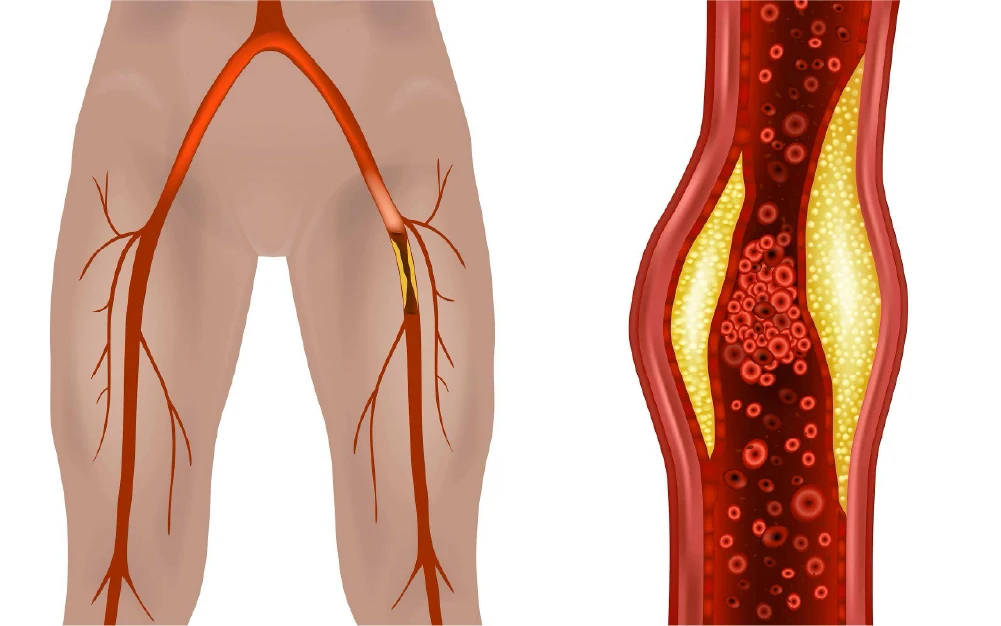
Intravascular lithotripsy is a catheter-based treatment designed specifically for calcified arteries.
Peripheral artery disease develops when plaque buildup narrows arteries and reduces blood flow, often in the legs and feet. Over time, calcium can collect within the plaque, making the affected section of the artery harder and less flexible. This stiffness can make it more difficult for a standard angioplasty balloon to expand the artery.
IVL can help prepare heavily calcified arteries for treatment when the stiffness caused by calcium makes balloon expansion more difficult.
How Does Intravascular Lithotripsy Work?
IVL uses a thin catheter with a specialized balloon that is guided through the blood vessel to the calcified portion of the artery.
Once the balloon is positioned, it is gently inflated and delivers controlled acoustic pressure waves to the calcified treatment area. These waves create small fractures within the hardened calcium, making the calcified area more flexible so the artery can expand more easily during treatment. The calcium remains in place, but the fractures reduce its rigidity and help prepare the artery for procedures such as balloon angioplasty or stent placement when needed.
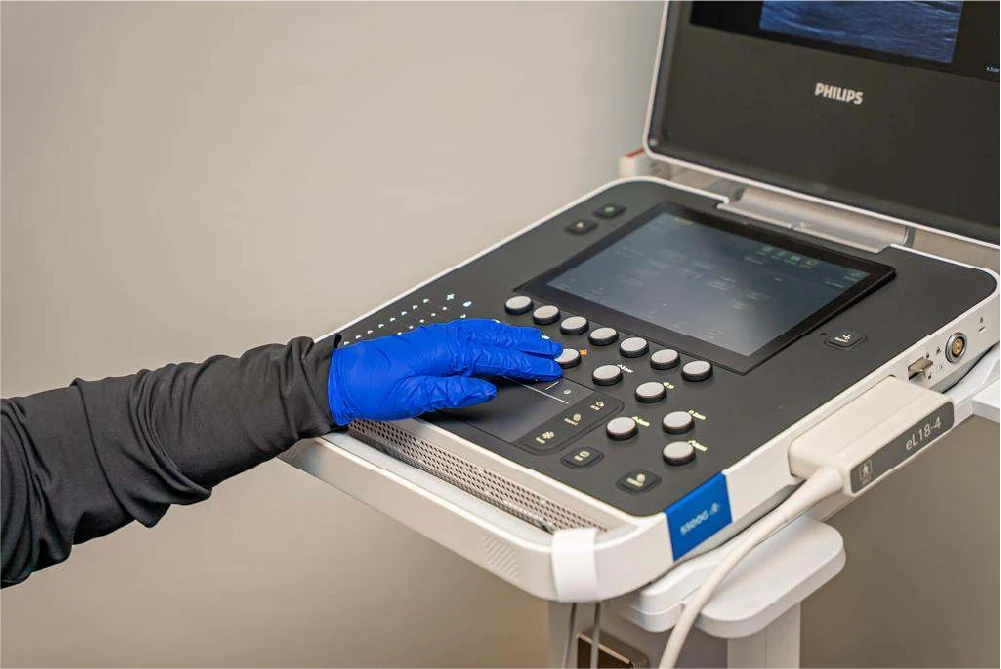
Throughout the procedure, image guidance helps the physician visualize the artery, position the catheter, and monitor the treatment area.
After IVL, the physician reassesses the artery and blood flow. Depending on the condition of the artery, additional balloon angioplasty may be performed, and a stent or another vascular treatment may be recommended when appropriate.

When Is IVL Used and Who May Be a Candidate?
IVL may be considered when a patient has peripheral artery disease with moderate to severe arterial calcification that could make conventional balloon angioplasty more challenging.
A vascular specialist may consider several factors when determining whether IVL may be appropriate, including:
- Location and severity of the arterial narrowing
- Amount and pattern of calcium buildup
- Symptoms and mobility limitations
- Previous vascular procedures
- Medical history
- Current medications
- Diagnostic imaging findings
Peripheral artery disease may cause symptoms such as leg or calf cramping with walking, reduced walking distance, pain in the leg or foot at rest, numbness or weakness, one foot or leg feeling cooler than the other, skin color changes, or slow-healing wounds.
These symptoms can have several possible causes. Experiencing them does not necessarily mean IVL or another vascular procedure is needed. A vascular evaluation and diagnostic imaging can help determine whether reduced arterial blood flow is contributing to the symptoms and which treatment options may be appropriate.

What Are the Benefits of Intravascular Lithotripsy?
IVL gives vascular specialists another minimally invasive option for treating hardened calcium that can make an artery more difficult to expand.
For appropriately selected patients, IVL may:
- Help a calcified artery become more flexible for balloon expansion
- Help prepare a heavily calcified artery for additional treatment
- Support treatment of narrowed arteries when significant calcium makes conventional angioplasty more challenging
Results vary, and IVL is not appropriate for every arterial narrowing. Treatment recommendations depend on the patient’s symptoms, anatomy, imaging findings, medical history, and other individual factors.
How Is IVL Different From Angioplasty or Atherectomy?
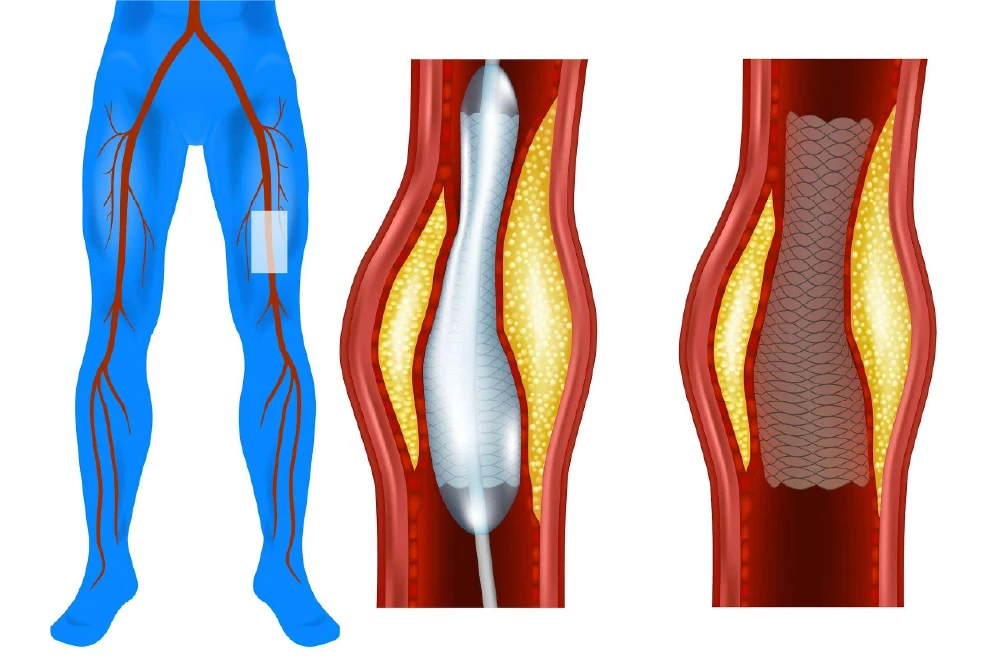
IVL, angioplasty, and atherectomy may all be used in the treatment of peripheral artery disease, but they address arterial narrowing in different ways.
Intravascular lithotripsy uses acoustic pressure waves to create small fractures within hardened calcium, helping prepare the artery for balloon expansion or other treatment.
Angioplasty uses an inflatable balloon to widen a narrowed artery and improve blood flow.
Atherectomy removes or reduces plaque buildup from inside an artery to help improve circulation.
These treatments are not always alternatives to one another. IVL may be used along with angioplasty, stenting, or another vascular procedure depending on the artery being treated and how it responds during the procedure.
Risks and Considerations of Intravascular Lithotripsy
Like other minimally invasive vascular procedures, IVL carries potential risks and may not be appropriate for every patient.
Possible complications can include:
- Bleeding, bruising, or infection at the catheter insertion site
- Injury to the treated artery
- Reduced blood flow or closure of the treated artery
- A reaction to the contrast dye used during the procedure
- Effects on kidney function related to contrast dye
Additional treatment, such as angioplasty or stent placement, may also be needed depending on how the artery responds during the procedure.

Recovery After Intravascular Lithotripsy
Recovery after IVL depends on the artery treated, catheter access site, overall health, and whether other vascular procedures were performed at the same time.
Patients are typically monitored after treatment so the care team can assess the catheter access site and circulation. Some patients may be able to return home the same day, while others may require additional observation based on the procedure performed and their medical needs.
Activity restrictions and follow-up recommendations vary. When IVL is performed with angioplasty, stenting, or another vascular procedure, the recovery plan will reflect the complete treatment rather than IVL alone.
Artículos relacionados
