
VenaSeal™ Treatment for Varicose Veins
A Minimally Invasive Treatment That Relieves Symptoms and Improves the Appearance of Varicose Veins
VenaSeal™ is a minimally invasive vein treatment that uses a specialized medical adhesive to close diseased veins without heat. By restoring healthy blood flow, it helps relieve symptoms of chronic venous insufficiency while allowing most patients to return to normal activities quickly.
Benefits of VenaSeal™
- No heat used during treatment
- Minimal discomfort for most patients
- No multiple injections of tumescent anesthesia
- Quick, outpatient procedure performed in-office
- Most patients return to normal activities quickly
- Improves blood flow by closing diseased veins
- Many patients notice symptom improvement soon after treatment
If you’re experiencing leg pain, heaviness, swelling, fatigue, or visible varicose veins, VenaSeal™ may be an effective treatment option. Request a vein screening to speak with a board-certified vein specialist and find out if it’s right for you.
Request a Screening
What is VenaSeal™?
VenaSeal™ is a minimally invasive treatment for chronic venous insufficiency and varicose veins. It uses cyanoacrylate closure (CAC), a non-thermal technique that seals unhealthy veins with a specially formulated medical adhesive, restoring healthy blood flow without the use of heat.
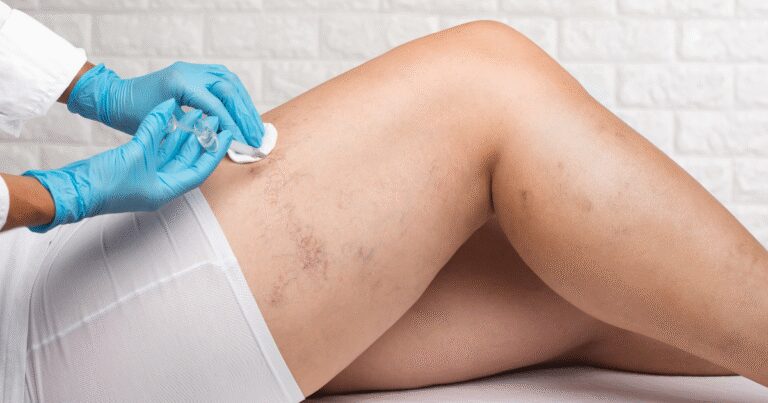
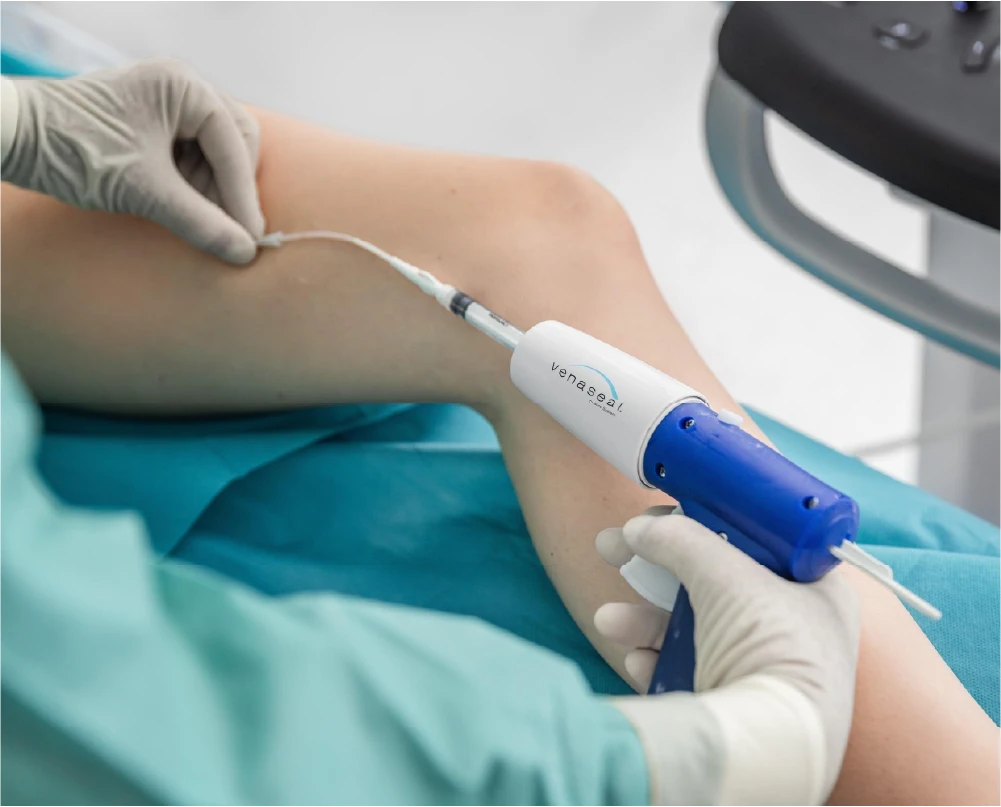
During the procedure, a physician uses ultrasound guidance to position a thin catheter within the affected vein. Small amounts of adhesive are delivered as gentle pressure is applied along the leg, sealing the vein in targeted sections. This prevents backward blood flow and allows blood to reroute through healthier veins.
Because VenaSeal™ does not use heat, it does not require the multiple injections of tumescent anesthesia used during thermal vein ablation. Local anesthesia may be applied near the catheter entry point for comfort, and most patients can return to their usual activities soon after treatment.
VenaSeal™ may be recommended for select patients experiencing leg pain, heaviness, swelling, fatigue, or visible varicose veins. An evaluation can help determine whether it is appropriate based on the patient’s symptoms, vein anatomy, and overall health.
What Is Cyanoacrylate Closure (CAC)?
Cyanoacrylate closure (CAC) is the treatment method used during VenaSeal™ vein treatment. Rather than using heat to close an unhealthy vein, cyanoacrylate closure uses a specially formulated medical adhesive to seal the vein shut.
VenaSeal™ is the FDA-approved cyanoacrylate closure system used by vein specialists to treat chronic venous insufficiency and varicose veins. Once the vein is sealed, blood naturally reroutes through nearby healthy veins, improving circulation and reducing symptoms.
Because cyanoacrylate closure does not rely on thermal energy, treatment typically does not require the multiple injections of tumescent anesthesia used during heat-based vein ablation procedures.
What to Expect During VenaSeal™ Vein Treatment
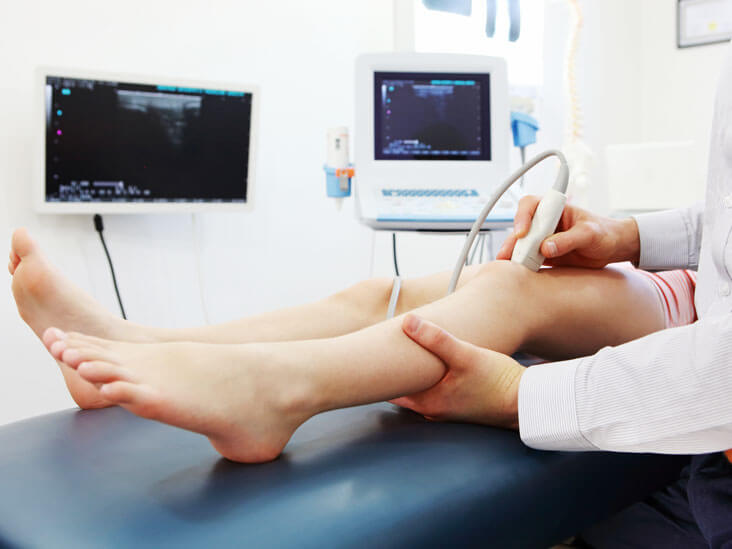
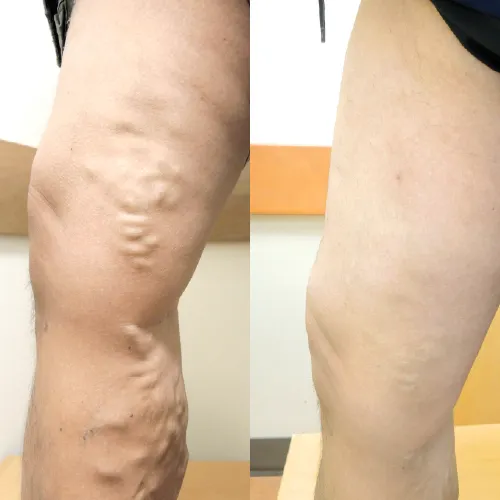
VenaSeal™ is performed as an in-office, outpatient procedure. Before treatment, the physician uses ultrasound imaging to locate the affected vein, ensure there are no blood clots present, and plan catheter placement.
During the procedure:
1. The treatment area is cleaned and prepared.
2. Local anesthesia is applied where the small catheter will be inserted.
3. The catheter is inserted into the affected vein, guided by ultrasound.
4. Small amounts of medical adhesive are delivered into the vein.
5. Gentle pressure is applied to help seal each treated section of the damaged vein.
6. The catheter is removed, and a small bandage is placed over the entry point.
Procedure time varies based on the number and length of veins being treated.

Recovery After VenaSeal™ Treatment
Most patients can walk immediately after VenaSeal™ treatment and return to many routine activities soon afterward. Your physician may provide temporary restrictions based on your health, the veins treated, and whether additional procedures were performed.
Some patients experience mild tenderness, bruising, redness, tightness, or a firm sensation along the treated vein. These effects are often temporary, but any symptoms that persist or worsen should be discussed with your care team.
Compression stockings are not routinely necessary for every VenaSeal™ patient. However, your physician may recommend them based on your circulation, symptoms, or combined treatment plan. Always follow the recovery instructions provided by your care team for best results.
What Symptoms Does VenaSeal™ Treat?
VenaSeal™ is designed to treat chronic venous insufficiency (CVI) caused by venous reflux in the superficial veins of the legs, including the great saphenous vein (GSV) and, in some cases, other affected truncal veins.
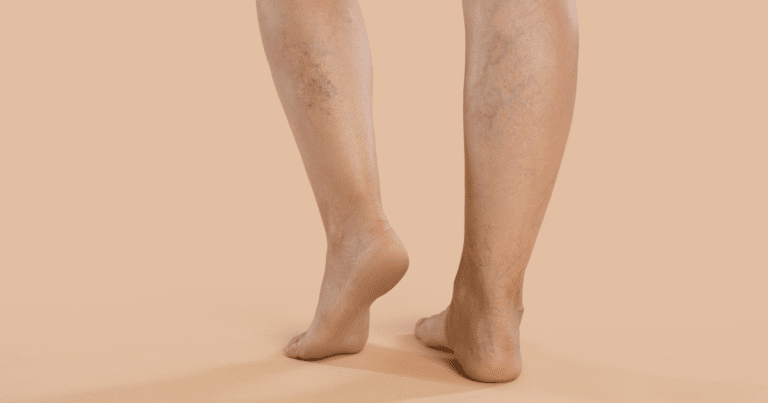
Venous reflux occurs when damaged vein valves no longer close properly, allowing blood to flow backward and pool in the legs. Over time, this increased pressure can lead to uncomfortable symptoms and visible varicose veins.
Symptoms may include:
- Aching or throbbing legs
- Pesadez o fatiga en las piernas
- Swelling around the lower legs or ankles
- Burning, itching, or tenderness
- Nighttime leg cramps
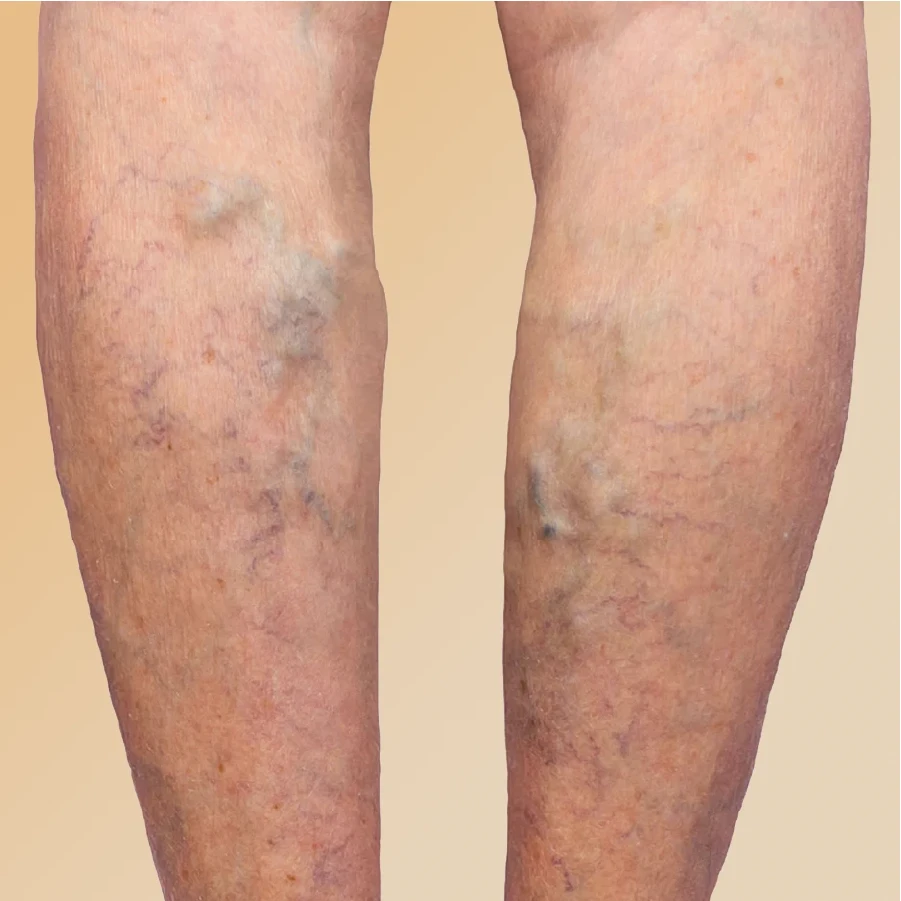
- Visible or bulging varicose veins
- Skin discoloration or other skin changes
Not every patient with varicose veins requires the same procedure. Your physician will consider your symptoms, medical history, diagnostic imaging, and the location and size of the affected veins before recommending treatment.
How Does VenaSeal™ Compare to Varithena®?
VenaSeal
- Medical adhesive closure
- Does not use heat
- No tumescent anesthesia
- Small catheter entry
- Compression recommended, but not required
- Resume normal activity quickly
- Treats superficial veins, not deep veins
Varithena
- Injectable microfoam
- Does not use heat
- No tumescent anesthesia
- Needle injection
- Compression is recommended
- Recovery typically takes 1-2 days
- Treats superficial veins, not deep veins
How Does VenaSeal™ Compare to RFA?
VenaSeal
- Medical adhesive closure
- Does not use heat
- No tumescent anesthesia
- Small catheter entry
- Compression recommended, but not required
- Resume normal activity quickly
- Treats superficial veins, not deep veins
RFA
- Uses heat energy
- Does not use adhesive
- Tumescent anesthesia is applied
- Compression is recommended
- Recovery typically takes 1-2 days
- Treats superficial veins, not deep veins
Preguntas frecuentes
VenaSeal es un procedimiento mínimamente invasivo que utiliza un adhesivo médico para cerrar las venas problemáticas. Esto redirige el flujo sanguíneo a venas más sanas, aliviando los síntomas y mejorando el aspecto sin necesidad de calor ni cirugía.
Yes, all United Vein & Vascular Centers vein clinics offer the VenaSeal treatment.
La mayoría de los pacientes experimentan mínimas molestias durante la intervención. Se utiliza anestesia local para garantizar la comodidad y, al no haber incisiones ni calor, la recuperación suele ser rápida y sencilla.
You can typically resume normal activities soon after treatment. There is minimal downtime, making VenaSeal a convenient option for those with busy lifestyles.
Yes. Cyanoacrylate closure (CAC) is the medical technique used to seal diseased veins with a specialized adhesive. VenaSeal™ is the FDA-approved cyanoacrylate closure system used by many vein specialists to treat chronic venous insufficiency and varicose veins.
Artículos relacionados