
Poor Circulation: Symptoms, Causes, & Treatments
Poor circulation happens when blood flow through the body becomes reduced or restricted. It can affect the legs, feet, arms, and other areas, often causing symptoms that interfere with comfort, mobility, and daily life. For many patients, poor circulation is linked to an underlying vein or vascular condition that should not be ignored.
Because circulation problems can develop gradually, symptoms are sometimes dismissed as part of aging or everyday fatigue. But ongoing discomfort, swelling, heaviness, or changes in the skin may be signs that it is time for a professional evaluation.
Concerned about Poor Circulation? Request a Consultation Now
What Is Poor Circulation?
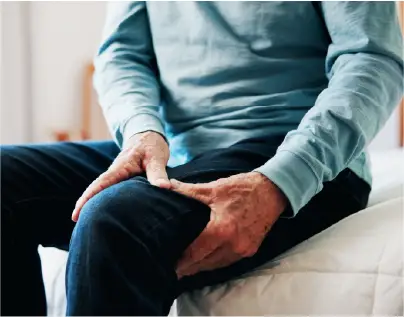
Poor circulation refers to reduced blood flow through the arteries or veins. Healthy circulation allows oxygen-rich blood to travel throughout the body and helps return blood back to the heart. When that process becomes less efficient, tissues may not receive the support they need, and waste products can build up in the affected area.
In the legs, poor circulation may be associated with vein disease, peripheral artery disease, blood clots, or other vascular concerns. Identifying the source of the problem is important because treatment depends on whether the issue involves the arteries, veins, or both.

Symptoms of Poor Circulation
Symptoms can vary depending on the cause and severity of the condition. Common signs of poor circulation may include:
- Leg pain or aching
- Cramping, especially while walking
- Swelling in the legs, ankles, or feet
- Heaviness or fatigue in the legs
- Entumecimiento u hormigueo
- Cold feet or lower legs
- Decoloración de la piel
- Slow-healing sores or wounds
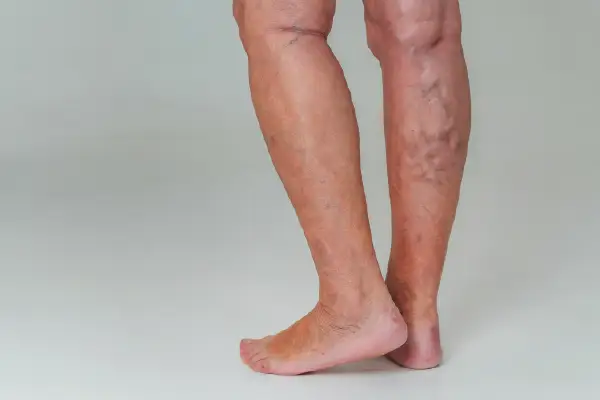
- Varices
- Restless or uncomfortable legs
Some patients notice symptoms only after long periods of standing or walking, while others may feel discomfort more consistently throughout the day.
What Causes Poor Circulation?
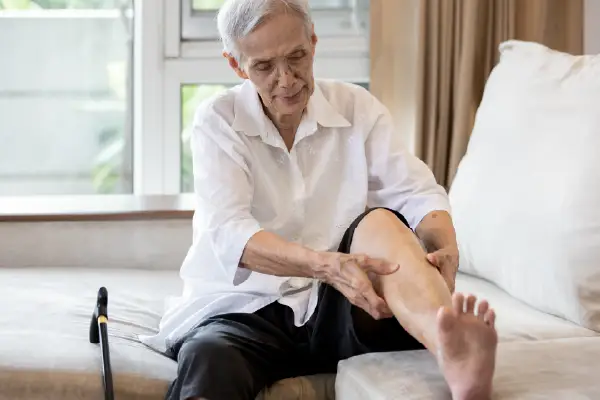
Poor circulation is not a condition on its own. It is usually a symptom of an underlying issue affecting blood flow. Common causes include:
When vein valves are not working properly, blood can pool in the legs instead of moving efficiently back toward the heart. This can lead to swelling, heaviness, varicose veins, and chronic venous insufficiency.
Enfermedad arterial periférica (EAP)
PAD occurs when arteries become narrowed, reducing blood flow to the legs and feet. This may cause leg pain while walking, weakness, cramping, or non-healing wounds.
Blood Clots
A clot in a vein can interfere with circulation and may become serious if left untreated. Sudden swelling, pain, warmth, or redness should be evaluated promptly.
Diabetes
Diabetes can affect both circulation and nerve health, increasing the risk of poor healing, discomfort, and complications in the legs and feet.
Smoking, High Blood Pressure, and High Cholesterol
These factors can damage blood vessels and increase the risk of circulation-related conditions over time.
Cuándo acudir a un especialista
It is a good idea to schedule an evaluation if you have ongoing leg discomfort, swelling, visible veins, cramping, or other symptoms that do not go away. These issues may be signs of an underlying vascular condition that can worsen without treatment.
Seek prompt medical attention if you experience:
- Sudden leg swelling
- Severe pain in the leg
- Skin that becomes pale, blue, or unusually cold
- A wound that is not healing
- Sudden shortness of breath or chest pain
How Poor Circulation Is Diagnosed
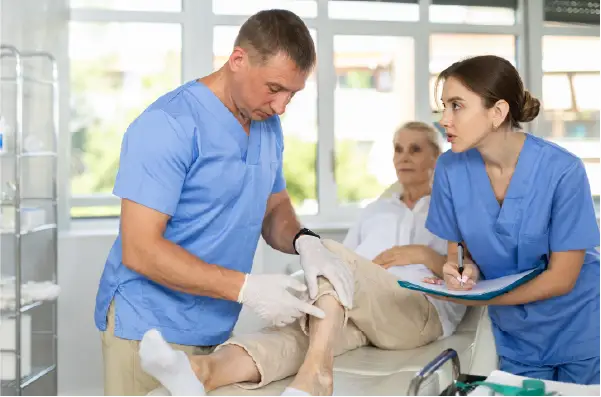
A circulation evaluation typically begins with a review of your symptoms, medical history, and risk factors. Your provider may also perform a physical exam and recommend vascular imaging or ultrasound testing to better understand how blood is flowing through the arteries and veins.
Accurate diagnosis is essential because poor circulation can have more than one cause. A personalized evaluation helps determine the most appropriate next steps for treatment.
Treatment Options for Poor Circulation
Treatment depends on the source of the problem. Once the cause is identified, your care team can recommend a plan designed around your symptoms and vascular health needs.
Depending on your diagnosis, treatment may include:
- Minimally invasive vein treatments for venous insufficiency
- Evaluation and treatment for peripheral artery disease
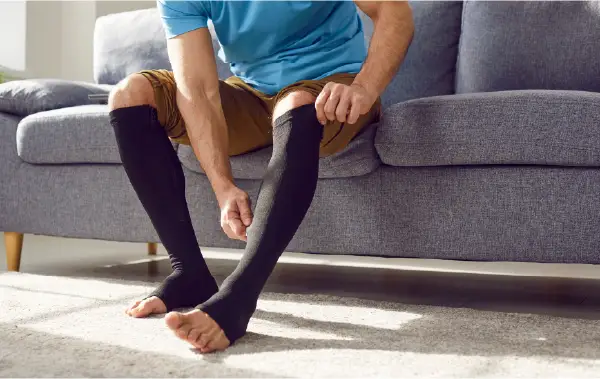
- Terapia de compresión
- Walking and exercise recommendations
- Lifestyle changes to support vascular health
- Ongoing monitoring and follow-up care
The goal of treatment is not just to improve symptoms, but also to address the underlying problem affecting circulation.

Why Evaluation Matters
Poor circulation can affect more than comfort. Left untreated, circulation problems may lead to worsening pain, swelling, skin damage, or delayed wound healing. In some cases, they may point to a more serious vascular issue that needs prompt attention.
Getting evaluated early can help you better understand your symptoms and explore treatment options before the condition progresses.