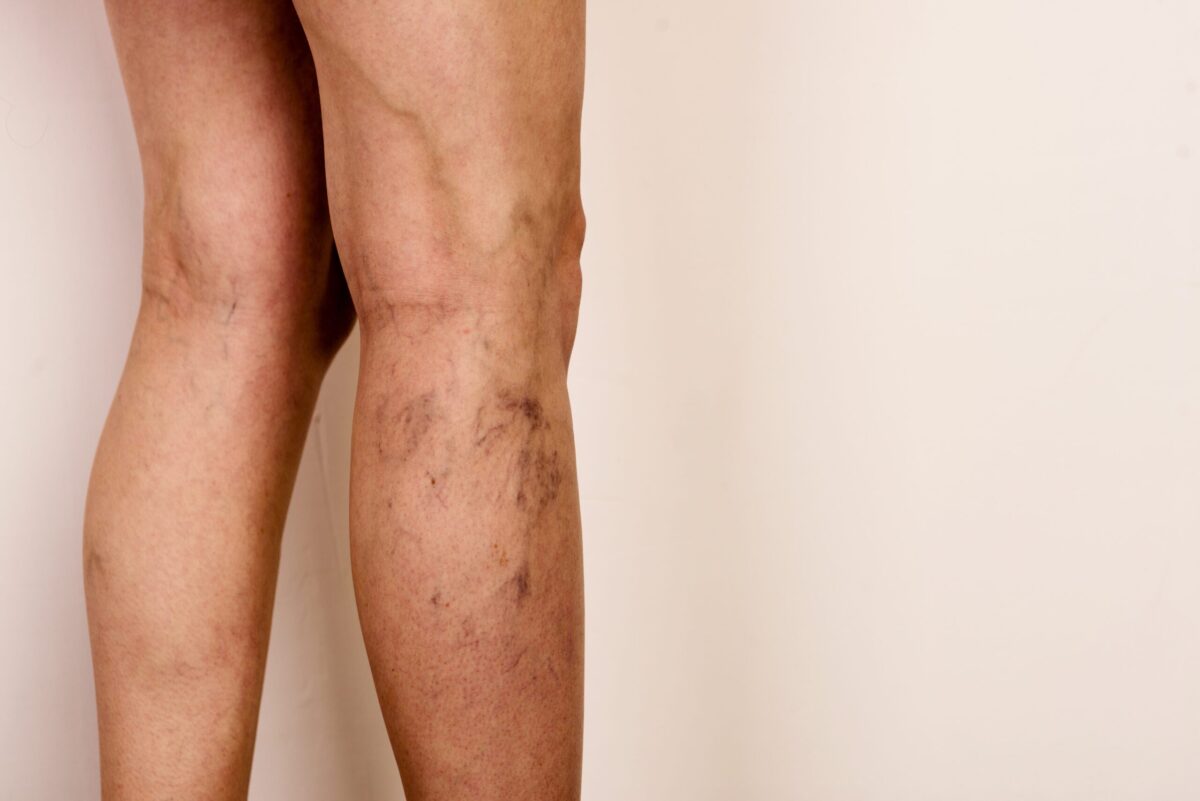
Spider veins are small, thin veins that appear close to the surface of the skin. They often look red, blue, or purple and can spread in a web-like or branching pattern. While many people seek treatment to improve their appearance, spider veins are not always just a cosmetic concern. In some cases, they may be associated with underlying venous insufficiency or changes in circulation that deserve medical evaluation.
It can also be frustrating when new spider veins develop over time, even after treatment. Understanding why spider veins return, and when they may signal a deeper vein issue, can help you make informed decisions about long-term vein care and overall leg health.
What Causes Spider Veins?
Spider veins develop when tiny blood vessels near the surface of the skin become enlarged. This happens when vein valves weaken and allow blood to pool in the veins.
Common risk factors include:
- Genética
- Embarazo
- Cambios hormonales
- Permanencia prolongada de pie o sentado
- Envejecimiento
These factors increase pressure in the leg veins, which can lead to the formation of spider veins.
Why Do Spider Veins Come Back After Treatment?
Treatments like sclerotherapy can successfully close existing spider veins. However, treatment does not stop new veins from forming in the future.
Here are a few reasons spider veins may return:
Underlying Vein Problems
If deeper veins are not working properly, pressure can continue to build in smaller surface veins. This may cause new spider veins to form even after previous ones have been treated.
Natural Aging
Vein walls and valves naturally weaken over time, which can lead to new visible veins.
Hormonal Changes
Pregnancy, menopause, and hormonal medications can affect vein health and contribute to new spider veins.
Lifestyle Factors
Long periods of standing or sitting can increase pressure in the leg veins and encourage new vein development.
Are Spider Veins a Sign of a Bigger Problem?
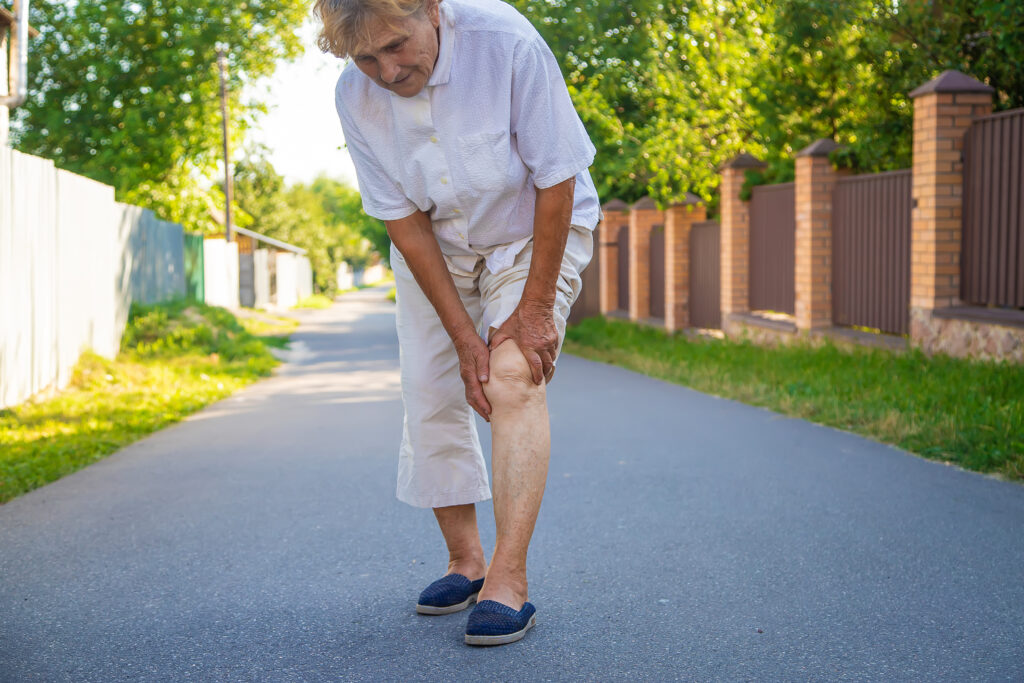
Spider veins are often considered a cosmetic issue, but in some cases they can be linked to venous reflux or Chronic Venous Insufficiency (CVI). These conditions affect how blood flows through the leg veins.
Symptoms that may suggest a deeper vein issue include:
- Leg heaviness or aching
- Hinchazón en la parte inferior de las piernas o los tobillos
- Burning or itching sensations
- Varices visibles
If you have these symptoms along with spider veins, a vein evaluation may be helpful.
How Are Spider Veins Treated?
Sclerotherapy is one of the most common and effective treatments for spider veins. During this minimally invasive procedure, a specialized solution is carefully injected into the affected veins. The solution irritates the vein lining, causing it to collapse and seal shut. Over time, the body naturally absorbs the treated vein, and it gradually fades from view.
While many spider veins are treated for cosmetic reasons, they can sometimes be linked to underlying venous insufficiency. If deeper veins are not functioning properly, new spider veins may continue to develop.
For this reason, your vein specialist may recommend additional evaluation, such as a duplex ultrasound, to assess blood flow in the legs. Identifying and treating any underlying vein issues first can help improve long-term results and reduce the likelihood of recurrence.
Can You Prevent Spider Veins from Coming Back?
You may not be able to prevent spider veins completely, but certain habits can support healthier circulation:
- Staying active with regular walking
- Avoiding long periods of standing or sitting
- Elevating your legs when resting
- Mantener un peso saludable
- Wearing compression stockings if recommended
These steps may help reduce pressure in the veins and slow the development of new spider veins.

Preguntas frecuentes
Yes. Treatment removes existing veins, but it does not prevent new ones from forming over time.
Not always, but spider veins can sometimes be associated with deeper vein problems. A vein evaluation can help determine this.
Many people need more than one session, and future treatments may be needed if new spider veins appear.
Healthy habits such as staying active and avoiding long periods of standing can help support vein health, but they may not completely prevent new veins.
If spider veins are bothersome or you have symptoms like leg heaviness or swelling, a vein specialist can evaluate your circulation and discuss treatment options.
What This Means for You
Spider veins can reappear over time, even after successful treatment. That’s because the factors that contribute to their development, such as genetics, prolonged standing, hormonal changes, or underlying vein dysfunction, may still be present.
While treatments like sclerotherapy effectively eliminate visible spider veins, new ones can form if deeper circulation issues are not addressed. In some cases, spider veins are simply cosmetic. In others, they may be an early sign of venous insufficiency.
A comprehensive vein evaluation can help determine the underlying cause and guide the most appropriate treatment plan. By identifying whether there is a deeper vein condition, your specialist can recommend a strategy focused not only on improving appearance, but also on supporting long-term vein health.
Take the next step toward healthier legs. Find a clinic near you and schedule your consultation today.