Contenido
- ¿Qué son las arañas vasculares?
- What Causes Spider Veins to Develop?
- Signs Spider Veins May Be More Than Cosmetic
- When Spider Veins May Signal Vein Disease in Cedar Hill
- Ready To Schedule a Vein Screening in Cedar Hill, TX?
- Understanding Chronic Venous Insufficiency (CVI) and Spider Veins
- Returning to Your Routine in Cedar Hill
- When to See a Vein Specialist in Cedar Hill
- Treatment Options for Spider Veins
- Supporting Your Vein Health Day to Day
- When to See a Vein Specialist in Cedar Hill, TX
- Preguntas frecuentes
- Find Vein Treatment in Cedar Hill
Subtle changes in your legs don’t always feel like a concern at first. You might notice faint veins becoming more visible, slight sensitivity, or changes that seem minor day to day. For many people in Cedar Hill, whether you’re spending time in Historic Downtown Cedar Hill or enjoying the outdoors near Joe Pool Lake, these changes are easy to overlook in the moment.
Spider veins are one of the most common vein concerns patients notice and are often thought of as purely cosmetic. In this article, we’ll explain what spider veins are, what causes them, the symptoms that may signal something more, and how vein conditions are evaluated and treated at our United Vein & Vascular Centers Cedar Hill clinic.
If you’ve noticed new or worsening spider veins, a vein screening can help determine whether they’re simply cosmetic or related to an underlying vein condition, and what next steps may be appropriate for your care.
¿Qué son las arañas vasculares?
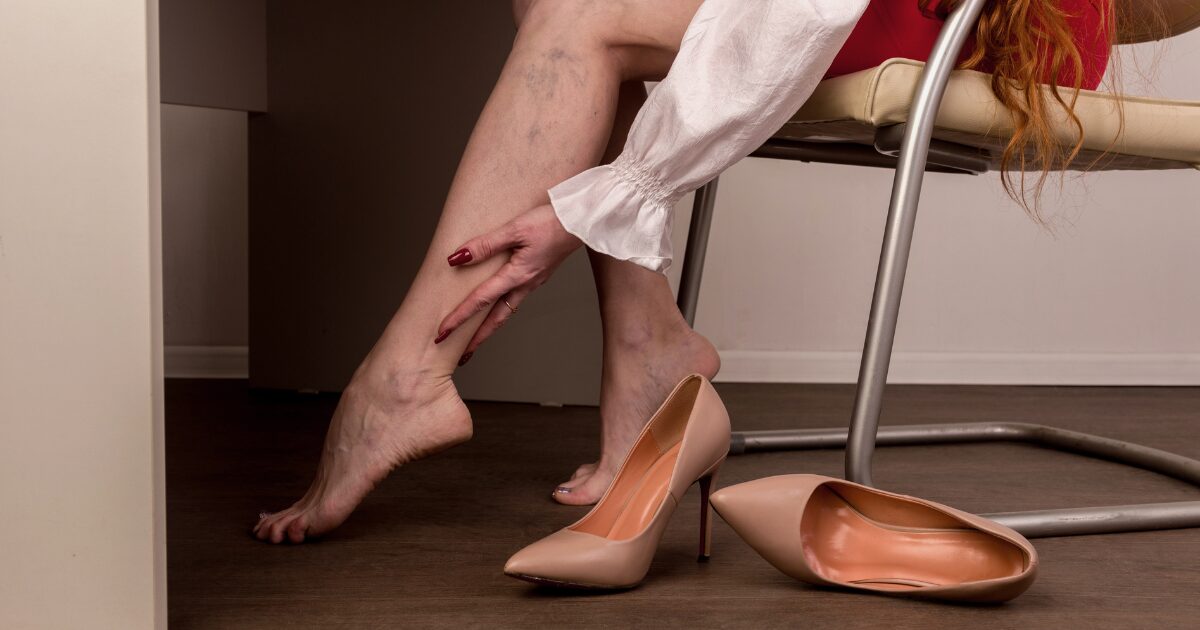
Spider veins are small, damaged blood vessels that appear just beneath the surface of the skin. They usually appear in red, blue, or purple tones and often form thin, web-like patterns.
They tend to develop on the legs, especially around the thighs, calves, and ankles, and are commonly noticed after long periods of standing or sitting.
While many people don’t experience symptoms, others may notice mild irritation, sensitivity, or a subtle burning sensation in the area.
What Causes Spider Veins to Develop?
Spider veins don’t appear overnight. They typically form as a result of pressure building within the veins or changes in how those veins function.
Some of the most common contributing factors include:
- Genetics, especially if vein issues run in your family
- Hormonal changes, including pregnancy or menopause
- Prolonged sitting or standing, common in many daily routines
- Lifestyle factors, such as limited movement or weight changes
For many people in Cedar Hill, long workdays, commuting, or time spent on your feet can gradually contribute to these changes.
Signs Spider Veins May Be More Than Cosmetic
Spider veins are often easy to see, but the way your legs feel can provide important clues. At United Vein & Vascular Centers, we do not treat cosmetic spider veins, but we do focus on correcting the underlying cause of spider veins.
You may notice:
- Visible, web-like veins
- Sensación de pesadez en las piernas
- Occasional aching or throbbing
- Sensitivity or itching near affected areas
These symptoms may become more noticeable as the day goes on and can gradually increase in frequency.
When Spider Veins May Signal Vein Disease in Cedar Hill
Spider veins can sometimes reflect what’s happening deeper within the veins. When combined with other symptoms, they may point to conditions like chronic venous insufficiency (CVI).
Las señales a las que hay que estar atento son:
- Hinchazón en la parte inferior de las piernas o los tobillos
- Ongoing aching or throbbing
- Skin discoloration near the veins
- Dry, thickened, or irritated skin
These symptoms may suggest that blood is not circulating as efficiently as it should. condition where blood is not properly circulating back to the heart.
Ready To Schedule a Vein Screening in Cedar Hill, TX?
Booking a vein screening with a board-certified vein specialist at United Vein & Vascular Centers is easy. Request your screening now.
Understanding Chronic Venous Insufficiency (CVI) and Spider Veins
CVI occurs when the valves in your veins weaken or become damaged, causing blood to pool in the legs instead of flowing properly back to the heart.
Early signs may include spider veins or mild swelling. Over time, symptoms can progress into more noticeable discomfort, skin changes, and more advanced vein conditions.
The good news is that CVI is manageable, especially when identified early.
How Spider Veins Are Evaluated in Cedar Hill
At our Cedar Hill clinic, evaluating spider veins begins with a comprehensive, patient-focused assessment. Your provider will review your symptoms, medical history, and overall vein health.
A duplex ultrasound may be used to assess how blood is flowing through your veins and determine whether there is an underlying issue. This helps guide a treatment plan that’s tailored to your specific needs.
Returning to Your Routine in Cedar Hill
When circulation improves, many patients notice that their legs feel lighter and less fatigued by the end of the day. Discomfort may become less frequent, and daily activities often feel easier to manage.
Whether you’re out running errands or spending time at Dogwood Canyon Audubon Center, addressing the underlying issue can help reduce the impact symptoms have on your routine.
When to See a Vein Specialist in Cedar Hill
If you’re unsure whether your spider veins are purely cosmetic or part of a larger issue, getting evaluated can provide clarity.
You may want to schedule a visit if:
- Symptoms are becoming more noticeable
- You’re experiencing swelling or discomfort
- You’ve seen changes in your skin
- You want to understand your treatment options
Getting answers early can help you avoid more advanced symptoms later on.
Treatment Options for Spider Veins
Treatment has come a long way, and most options today are minimally invasive with little to no downtime.
In many cases, treatment is paired with simple lifestyle adjustments to improve long-term results. Your provider will walk you through what makes the most sense based on your specific condition.
Supporting Your Vein Health Day to Day
Even small habits can have a meaningful impact on how your legs feel.
Try incorporating more movement into your routine, especially if you sit or stand for long periods. Staying active, whether that means walking local trails at Dogwood Canyon Audubon Center or taking regular breaks during your day, can help support circulation. Elevating your legs at the end of the day can also help relieve pressure and improve circulation.
Staying hydrated and maintaining a healthy weight both support overall vascular health. For many people in Cedar Hill, especially during warmer months, hydration plays a bigger role than expected.
Consistency with these habits can help reduce symptoms and prevent new spider veins from forming.
When to See a Vein Specialist in Cedar Hill, TX
If you are unsure whether your spider veins are simply cosmetic or something more, a vein screening is the best place to start.
You may want to schedule a visit if:
- Your symptoms are becoming more noticeable
- You are experiencing discomfort, swelling, or skin changes
- You are curious about treatment options
- You have a family history of vein issues
Getting answers early can help you avoid more advanced complications and give you a clear plan moving forward, right here in Cedar Hill.
Preguntas frecuentes
Most spider veins are harmless, but if they are paired with symptoms like swelling or pain, they may indicate an underlying vein condition that should be evaluated.
Sclerotherapy is one of the most commonly recommended treatments. However, the best option depends on your individual needs and should be determined during a consultation.
Spider veins typically do not disappear without treatment. Lifestyle changes can help prevent new ones, but existing veins usually require medical care to fade.
While United Vein & Vascular Centers does not treat cosmetic spider veins, we do treat the underlying cause. Our Cedar Hill, TX clinic provides the best vein care in Cedar Hill.
Not always. While they can be cosmetic, they may also indicate underlying vein disease, especially when paired with other symptoms.
Find Vein Treatment in Cedar Hill
Spider veins may seem minor at first, but they can sometimes reflect underlying changes in circulation. Addressing them early can help improve both comfort and long-term vein health.
With convenient access to care at our Cedar Hill clinic, located on Uptown Boulevard near Uptown Village at Cedar Hill, patients in the area can receive personalized evaluations and minimally invasive treatment options.
If you’ve noticed new or worsening spider veins, scheduling a vein screening at our Cedar Hill clinic is an important next step. Our team at United Vein & Vascular Centers is here to assess your symptoms, identify any underlying condition, and guide you toward the most appropriate treatment, helping you feel more comfortable and confident in your daily life.