Contenido
Noticing veins on your arms, legs, or feet that look blue, purple, or raised beneath the skin can be unsettling. For some people, swollen veins are a cosmetic concern. For others, they may be an early sign of an underlying vein condition that deserves medical attention.
Swollen or bulging veins are extremely common and affect nearly one in three adults in the United States. While varicose veins are one of the most well-known causes, they are not the only reason veins may appear enlarged or more visible. Understanding what causes swollen veins can help you determine when it is normal and when it may be time to see a specialist.
What Do Swollen Veins Look Like?
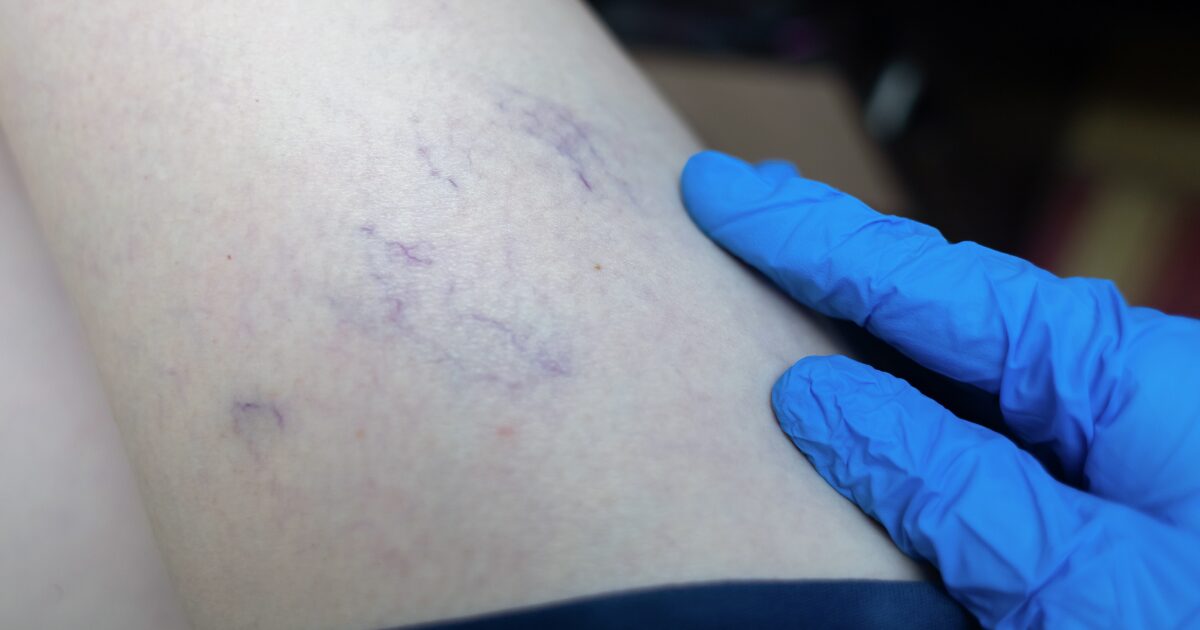
Swollen veins often appear as veins that are more visible than usual, raised above the surface of the skin, or darker in color. They may look blue, purple, or green and can feel firm or tender to the touch. In some cases, swollen veins are accompanied by symptoms such as aching, heaviness, swelling, or fatigue in the affected area.
The location, appearance, and associated symptoms can offer clues about what is causing the swelling.
Swollen Veins Caused by Varicose Veins
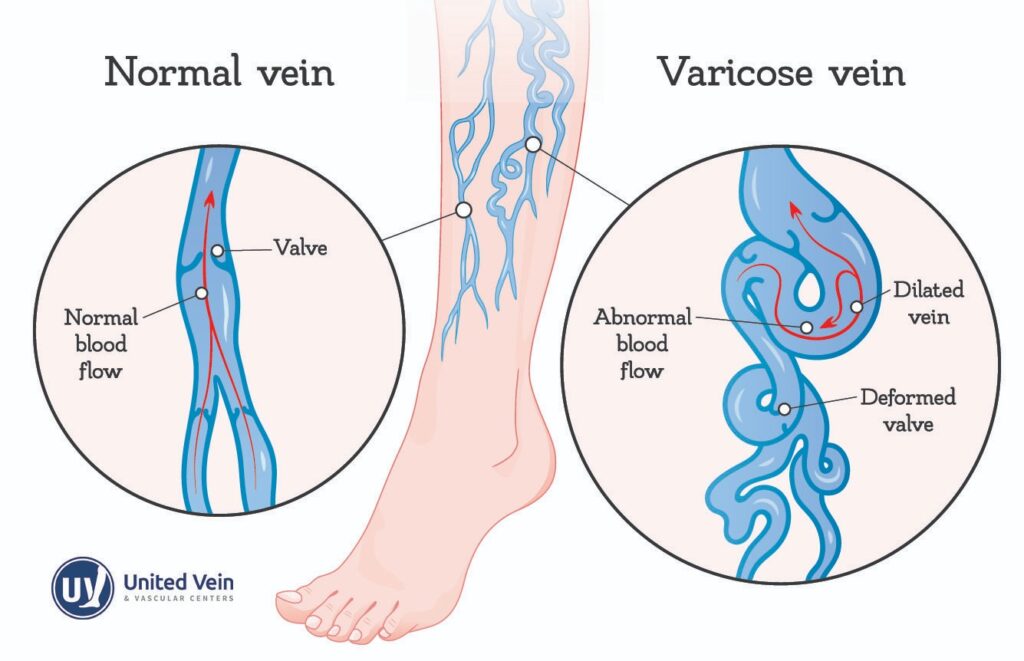
Varicose veins are one of the most common reasons people notice bulging or swollen veins, particularly in the legs. They develop when the valves inside the veins weaken and stop working properly. These valves normally keep blood flowing upward toward the heart. When they fail, blood pools in the vein, causing it to stretch and become enlarged.
Several factors increase the risk of developing varicose veins.
Edad
Varicose veins can develop at any age, but they are more common as people get older. Over time, vein walls and valves naturally lose elasticity, making it harder for veins to move blood efficiently. This gradual wear and tear increases the likelihood of swelling and visible vein changes.
Fumar
Smoking damages blood vessels and affects circulation throughout the body. The chemicals in tobacco weaken vein walls and reduce oxygen delivery, increasing the risk of vein disease. Chronic smokers are more likely to experience varicose veins and other circulation-related conditions.
Family History
Genetics play a significant role in vein health. If one or more close family members have a history of varicose veins or chronic venous insufficiency, your risk of developing swollen veins is higher. Inherited vein weakness can make valves more prone to failure over time.
Other factors that may contribute to varicose veins include prolonged standing or sitting, pregnancy, excess weight, and hormonal changes.
Swollen Veins That Are Not Caused by Varicose Veins
Not all swollen veins are the result of varicose vein disease. In some cases, veins may appear enlarged due to temporary or non-venous factors.
Dietary Deficiency or Low Body Fat
Malnutrition or very low body fat can make veins more visible. When there is less fat beneath the skin, veins are closer to the surface and may appear more prominent. While this does not usually indicate a vein disorder, sudden or extreme changes in vein appearance should still be discussed with a healthcare provider.
Underlying Medical Conditions
Certain inflammatory or autoimmune conditions can affect blood vessels and cause veins to appear swollen. Vasculitis, which involves inflammation of the blood vessels, is one example. These conditions often come with additional symptoms such as pain, redness, or fatigue and require medical evaluation.
Intense or Frequent Exercise
People who engage in frequent, intense exercise may notice temporary vein swelling. During physical activity, blood flow increases to meet muscle demand, causing veins to expand. This effect is often seen in athletes and weightlifters and usually subsides once circulation returns to normal.
If veins remain swollen even at rest or are accompanied by discomfort, further evaluation may be needed.
When Swollen Veins May Signal a Bigger Issue
While some causes of swollen veins are harmless, others may indicate a progressive vein condition. Vein disease can worsen over time if left untreated, leading to symptoms such as leg pain, swelling, skin changes, and slow-healing wounds.
You should consider seeing a vein specialist if you experience:
- Persistent swelling or bulging veins
- Leg heaviness, aching, or fatigue
- Skin discoloration near the ankles
- Itching, dryness, or irritation around veins
- Hinchazón que empeora a lo largo del día
Early evaluation can help determine whether swollen veins are cosmetic or related to an underlying circulation issue.
What Can You Do If You Have Swollen Veins?
If you notice swollen veins, the first step is to speak with a vein and vascular specialist. A specialist can assess your symptoms, perform diagnostic testing, and determine whether vein disease is present.
Although varicose veins are considered a progressive condition and cannot be cured, symptoms can be effectively managed with the right care. Modern vein treatments focus on improving blood flow, relieving discomfort, and preventing complications.
Lifestyle adjustments such as staying active, elevating the legs, wearing compression stockings, and maintaining a healthy weight can help manage symptoms. For many patients, minimally invasive treatments offer long-term relief with little downtime.
How Vein Specialists Treat Swollen Veins
Treatment depends on the cause and severity of the vein condition. After diagnostic imaging, such as an ultrasound, a specialist may recommend treatments that close or redirect blood flow away from damaged veins. These approaches help relieve pressure, reduce swelling, and improve circulation.
Today’s vein treatments are typically performed on an outpatient basis and are designed to fit into everyday life with minimal interruption.
Preguntas frecuentes
No. While varicose veins are a common cause, swollen veins can also be due to exercise, low body fat, or certain medical conditions. A specialist can help determine the cause.
Temporary swelling from exercise or activity may subside, but vein disease does not usually improve without treatment. Symptoms may progress over time if left unaddressed.
If swollen veins are persistent, painful, or accompanied by swelling, skin changes, or leg discomfort, it is a good idea to seek evaluation from a vein specialist.
Find Expert Vein Care Near You
You do not have to continue worrying about swollen veins or the symptoms that come with them. At United Vein and Vascular Centers, our experienced specialists are dedicated to helping patients understand their vein health and explore effective treatment options.
Our team takes a personalized approach to care, focusing on reducing symptoms, improving mobility, and enhancing overall quality of life. With clinics across multiple states and expanding, expert vein care is accessible and convenient.
If you are concerned about swollen veins, schedule a consultation with UVVC today. Taking action now can help you feel more comfortable and confident moving forward.