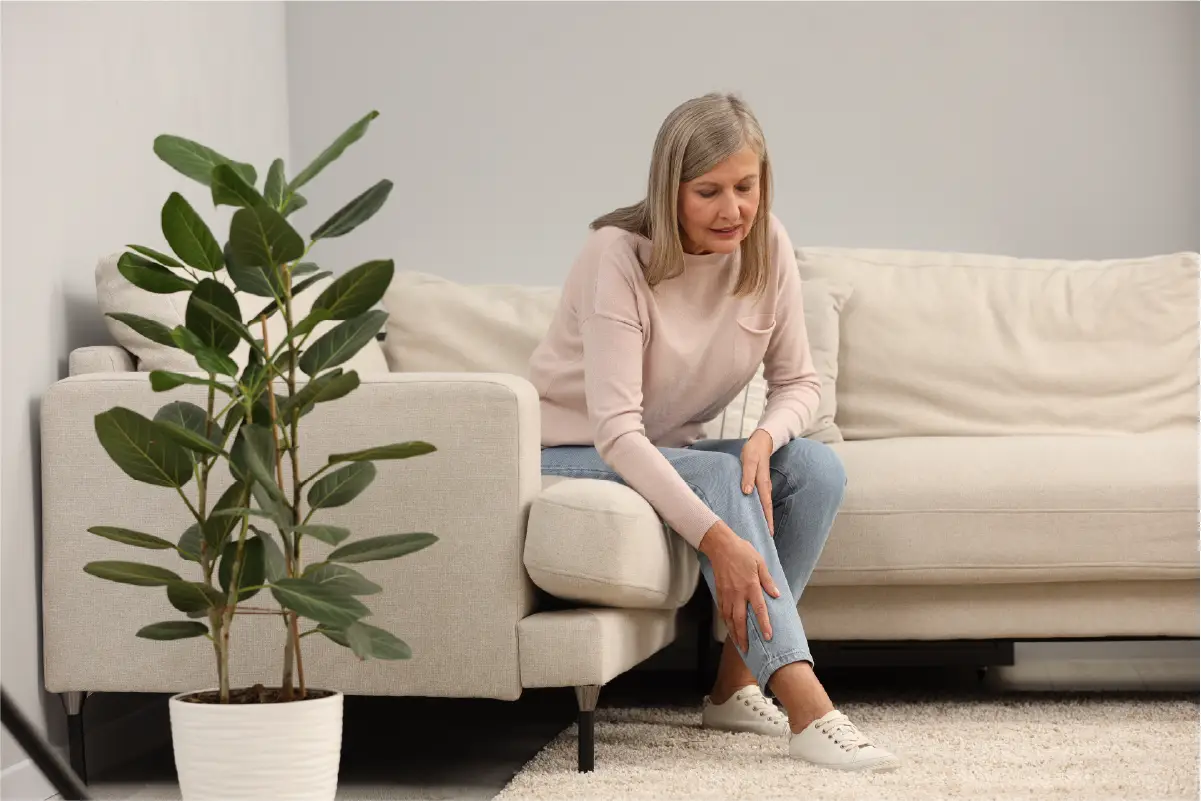
Perimenopause can bring a wide range of physical changes, including shifts in energy levels and changes in circulation and vein health. For some women, this may include the appearance of new varicose veins or worsening symptoms such as leg heaviness, swelling, or discomfort.
Because these changes often happen gradually, it can be difficult to tell whether they are simply part of aging or a sign of an underlying vein issue. Understanding how hormonal changes can affect your veins can help you recognize when symptoms may deserve a closer look.
How Hormones Affect Vein Health
Hormones play an important role in how blood vessels and veins function. During perimenopause, fluctuating hormone levels, particularly estrogen and progesterone, can affect the strength and elasticity of vein walls.
These hormonal changes may cause veins to relax or become less efficient at moving blood back toward the heart. Over time, this can increase pressure within the veins and contribute to visible vein changes or circulation-related symptoms.
Why Veins May Change During Perimenopause
Perimenopause is a time of significant physical change, and for some women, vein symptoms may become more noticeable during this stage of life. As hormone levels fluctuate, veins may become more prone to stretching or valve dysfunction, which can affect circulation in the legs.
At the same time, other factors that commonly occur during midlife, such as changes in activity level, weight fluctuations, prolonged sitting, or pregnancy history, can also contribute to increased pressure in the veins.
As a result, some women may begin noticing new spider veins, enlarged varicose veins, or worsening leg symptoms during perimenopause.
Common Symptoms to Watch For
Vein-related symptoms during perimenopause can vary from person to person. Common signs may include:
- Varices o arañas vasculares visibles
- Pesadez o fatiga en las piernas
- Aching or throbbing discomfort
- Hinchazón en la parte inferior de las piernas o los tobillos
- Burning or itching sensations
- Symptoms that worsen later in the day
These symptoms may develop gradually and can sometimes be mistaken for general aging or temporary circulation changes.
When Vein Changes May Indicate a Problem
Not every visible vein or symptom during perimenopause indicates a serious issue. However, persistent or worsening symptoms may suggest an underlying vein condition such as chronic venous insufficiency.
If symptoms continue to progress, interfere with daily comfort, or occur alongside swelling or skin changes, it may be time to seek evaluation. Visible veins can sometimes be an early sign that circulation is being affected beneath the surface.
Early assessment can help identify the cause of symptoms and determine whether treatment may be beneficial.
Opciones de tratamiento de las enfermedades venosas
Treatment for vein disease focuses on improving circulation and addressing the underlying vein dysfunction, not just the appearance of visible veins. Depending on your symptoms and vein health, options may include:
- Compression therapy to support circulation and reduce swelling
- Sclerotherapy to treat problematic veins beneath the skin
- Minimally invasive procedures such as radiofrequency ablation (RFA), VenaSeal™, or Varithena® to address damaged veins
These treatments are designed to redirect blood flow to healthier veins, helping relieve symptoms and improve overall vein function. Many minimally invasive procedures are performed in an outpatient setting with little to no downtime.
Preguntas frecuentes
Hormonal changes can contribute to weakened vein walls and increased pressure within the veins, which may play a role in the development of varicose veins.
Yes, some women notice new or worsening vein symptoms during perimenopause due to hormonal fluctuations and other circulation-related changes.
Symptoms may improve for some people, but underlying vein disease does not typically resolve on its own without treatment.
Yes, minimally invasive vein treatments can help improve circulation and relieve symptoms even if hormonal changes contributed to the condition.
You should consider evaluation if symptoms are persistent, worsening, or affecting your daily comfort and mobility.
Support Your Vein Health Through Life Changes
Perimenopause can bring many changes to the body, including changes in circulation and vein health. While visible veins and leg discomfort may become more noticeable during this time, they are not something you simply have to ignore or accept.
At United Vein & Vascular Centers (UVVC), our specialists provide comprehensive vein screenings and minimally invasive treatment options designed to improve circulation and relieve symptoms.
If you’re noticing new or worsening vein symptoms, schedule a free vein screening to better understand your vein health and explore your treatment options.