Contenido
- What Is Poor Blood Circulation?
- Why Circulation Issues Often Start in the Legs
- 3 Key Warning Signs of Poor Circulation
- What Causes Poor Circulation?
- Cuándo acudir a un especialista en venas varicosas
- How Poor Circulation Is Diagnosed
- Treatment Options for Poor Circulation
- Simple Ways to Support Healthy Circulation
- Preguntas frecuentes
- Take the Next Step Toward Better Circulation
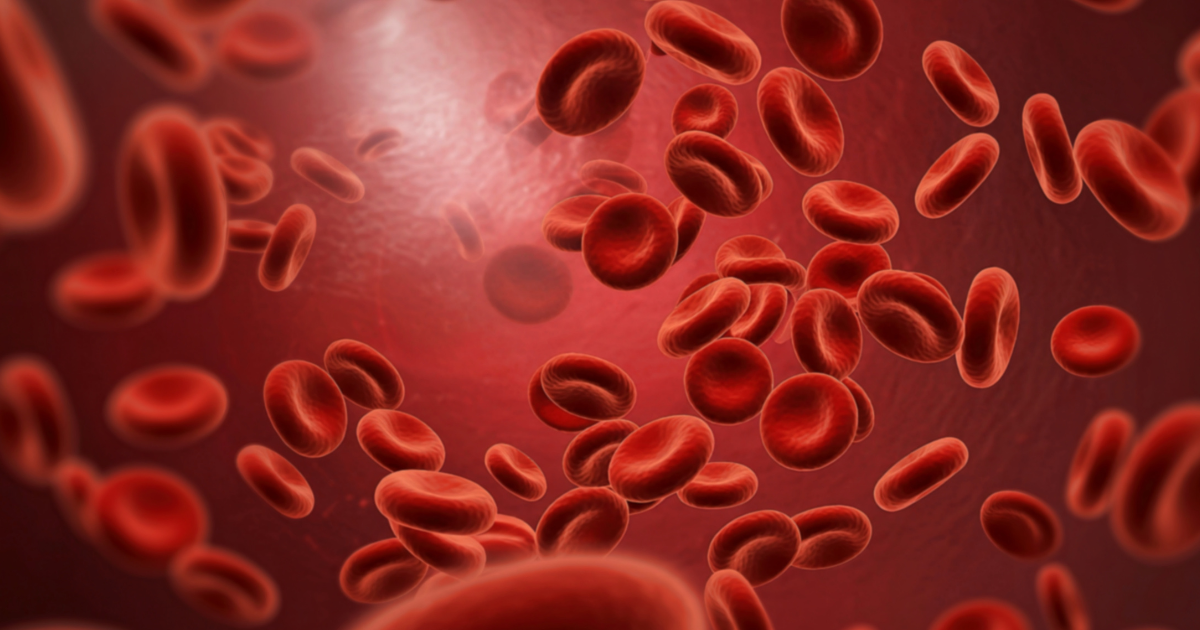
Blood circulation plays a vital role in keeping your entire body functioning properly. Your veins and arteries work continuously to deliver oxygen-rich blood to your muscles, tissues, and organs. When that process is disrupted, even slightly, your body starts to send signals that something is not right.
For many people, poor circulation begins subtly. Maybe your legs feel tired more often, or you notice swelling at the end of the day. These symptoms are easy to overlook at first, but they can point to underlying vein conditions that benefit from early evaluation and treatment.
This guide will help you better understand what to look for and when to take action.
What Is Poor Blood Circulation?
Poor circulation occurs when blood flow through your blood vessels becomes reduced or restricted. This can happen for several reasons, including weakened vein valves, narrowed vessels, or increased pressure in the legs.
When circulation is not functioning properly, your body struggles to deliver oxygen and nutrients where they are needed most. Over time, this can affect how your muscles feel, how your skin looks, and how your legs function throughout the day.
While circulation issues can occur anywhere in the body, they are especially common in the legs due to gravity and the added pressure placed on lower extremity veins.
Why Circulation Issues Often Start in the Legs
Your legs are responsible for pushing blood back up to your heart against gravity. This process relies on healthy vein valves and consistent muscle movement.
When those valves weaken or your routine involves long periods of sitting or standing, blood can begin to pool in the lower legs. This is often the starting point for symptoms like swelling, heaviness, and visible vein changes.
For many patients, especially those with desk jobs, long commutes, or roles that require standing for extended periods, circulation issues can gradually become more noticeable over time.
3 Key Warning Signs of Poor Circulation
Recognizing the early signs of poor circulation can help you address potential vein issues before they progress. While symptoms may vary, there are three common warning signs that should not be ignored.
1. Leg Weakness or Muscle Cramping
If your legs feel unusually tired, weak, or prone to cramping, it may be related to reduced blood flow.
Muscles rely on oxygen delivered through your bloodstream to function properly. When circulation is compromised, your muscles may not get the support they need. This can lead to:
- Cramping after sitting or standing for long periods
- A heavy or fatigued feeling in the legs
- Difficulty staying active for extended periods
Many patients describe this as their legs feeling “worn out” much earlier than expected.
2. Skin Discoloration or Changes in Appearance
Changes in skin color can be one of the most visible signs of poor circulation.
When blood flow is reduced, the skin may appear:
- Pale or dull
- Slightly bluish or purplish
- Uneven in tone compared to surrounding areas
In some cases, the skin may also become dry, irritated, or more sensitive. These changes are your body’s way of signaling that oxygen and nutrients are not reaching the skin as effectively as they should.
If you notice persistent discoloration, it is important to have it evaluated by a vein specialist.
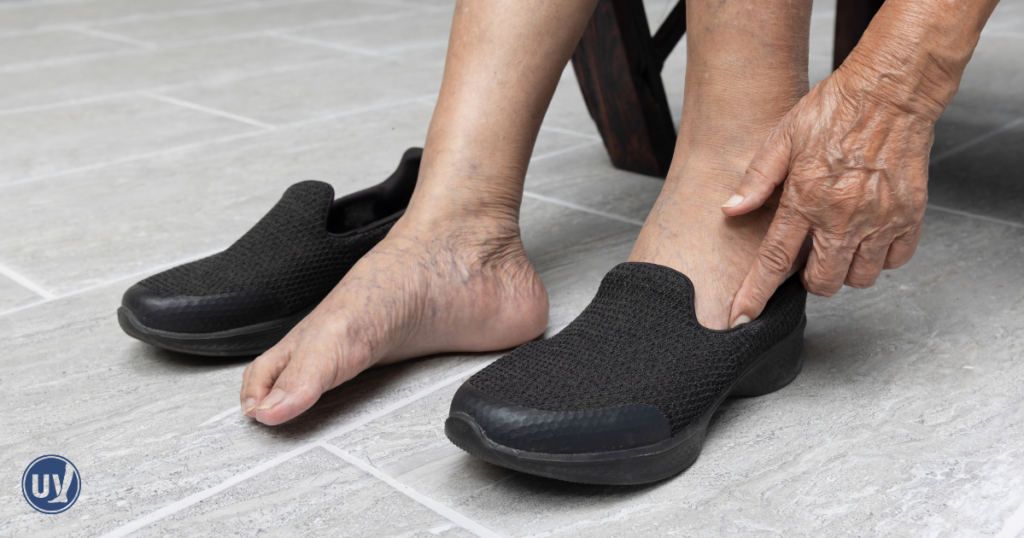
3. Swelling in the Legs or Ankles
Swelling is one of the most common and noticeable symptoms of poor circulation.
You might see swelling in one or both legs, particularly after long periods of sitting, standing, or traveling. It may feel like your legs are tight, heavy, or uncomfortable by the end of the day.
This happens when blood and fluid begin to pool in the lower extremities instead of circulating properly.
Swelling that comes and goes occasionally may not seem concerning, but if it becomes consistent or worsens over time, it should not be ignored.
What Causes Poor Circulation?
Poor circulation is often linked to underlying vein conditions. One of the most common is chronic venous insufficiency, where vein valves struggle to keep blood moving in the right direction.
Other contributing factors include:
- A sedentary lifestyle or limited movement
- Standing for long periods without breaks
- Excess weight, which increases pressure on the veins
- Aging, which can weaken vein structure
- Antecedentes familiares de enfermedades venosas
These factors can gradually impact how efficiently your veins function, leading to the symptoms many patients experience.
Cuándo acudir a un especialista en venas varicosas
It can be difficult to know when symptoms are serious enough to seek care. A good rule of thumb is to pay attention to persistence and progression.
You should consider scheduling a consultation if:
- Your symptoms occur regularly rather than occasionally
- Discomfort is interfering with your daily routine
- Swelling, discoloration, or cramping is getting worse
- You are noticing additional symptoms like visible veins or skin changes
Even if your symptoms feel mild, getting a professional evaluation can provide clarity and peace of mind.
How Poor Circulation Is Diagnosed
A vein consultation is a simple and non-invasive way to evaluate your circulation.
Your visit will typically include a discussion of your symptoms, a physical exam, and an ultrasound. This imaging allows your provider to assess how blood is flowing through your veins and identify any underlying issues.
Many patients are surprised at how quick and informative this process is. In most cases, you will leave your appointment with a clear understanding of what is happening and what your next steps should be.
Treatment Options for Poor Circulation
The right treatment depends on the cause and severity of your symptoms, but today’s options are highly effective and designed with patient comfort in mind.
Treatment may include minimally invasive procedures that improve blood flow and relieve pressure in the veins. These are typically performed in-office and require little to no downtime.
In addition to medical treatment, your provider may recommend lifestyle adjustments such as increasing movement, wearing compression stockings, or making small changes to your daily routine.
Together, these approaches can help reduce symptoms, improve circulation, and support long-term vein health.
Simple Ways to Support Healthy Circulation
Even small daily habits can make a noticeable difference in how your legs feel.
Try incorporating these into your routine:
- Take breaks to walk or stretch if you sit for long periods
- Elevate your legs at the end of the day
- Stay hydrated to support blood flow
- Mantener un peso saludable
- Avoid staying in one position for too long
Consistency is key. These habits help keep blood moving and reduce unnecessary pressure on your veins.
Preguntas frecuentes
Early signs often include leg fatigue, mild swelling, cramping, and a feeling of heaviness. These symptoms may become more noticeable after long periods of sitting or standing.
In many cases, symptoms can be significantly improved with the right treatment and lifestyle changes. Early intervention often leads to better outcomes.
It can be. While mild symptoms may seem manageable, untreated circulation issues can progress into more advanced vein conditions. That is why early evaluation is important.
Take the Next Step Toward Better Circulation
You do not have to ignore the signs of poor circulation or adjust your life around discomfort. Understanding your symptoms is the first step, and getting expert guidance can make all the difference.
At United Vein & Vascular Centers, our specialists are dedicated to helping you identify the root cause of your symptoms and create a treatment plan tailored to your needs.
Schedule your consultation with United Vein & Vascular Centers today and take the first step toward improved circulation, greater comfort, and better overall quality of life.