Contenido
- Can an Ultrasound Detect a Blood Clot in Your Leg?
- Does a Blood Clot on an Ultrasound Mean You Have DVT?
- Superficial Blood Clot vs. DVT
- What Happens If United Vein & Vascular Centers Finds a Blood Clot During Your Ultrasound?
- What If You Have Symptoms of DVT?
- What Symptoms May Lead a Provider to Suspect DVT?
- Can a Blood Clot Delay Your Vein Treatment?
- Will You Need Another Ultrasound After a Blood Clot Is Found?
- When Is a Blood Clot an Emergency?
- Preguntas frecuentes
- Understanding Your Ultrasound Results and Next Steps
Medically reviewed by Dr. Domenic Zambuto, National Medical Director at United Vein & Vascular Centers. Board-certified in vascular and interventional radiology, Dr. Zambuto has more than 20 years of experience treating vascular disease and helping patients manage complex vein and circulatory conditions.
Finding out that a blood clot was detected during an ultrasound can bring up several questions. Where is the clot located? How serious is it? Will you need treatment, additional testing, or changes to an upcoming vein procedure? The answers depend on what the ultrasound reveals and how those findings relate to your overall vein health.
Venous ultrasounds help healthcare providers examine blood flow and identify abnormalities in the veins. However, not every blood clot affects the same part of the venous system or requires the same approach to care. Understanding what your results may mean and how physicians determine the next steps can make the process easier to navigate.
Key Takeaway: A venous ultrasound can detect blood clots and identify which veins are affected. A clot may form in a superficial vein near the skin or within the deep venous system, where it is called deep vein thrombosis (DVT). What happens next depends on the clot’s location, extent, ultrasound findings, symptoms, and medical history. Your physician uses this information to determine whether treatment, additional imaging, monitoring, or urgent evaluation is appropriate.
Can an Ultrasound Detect a Blood Clot in Your Leg?
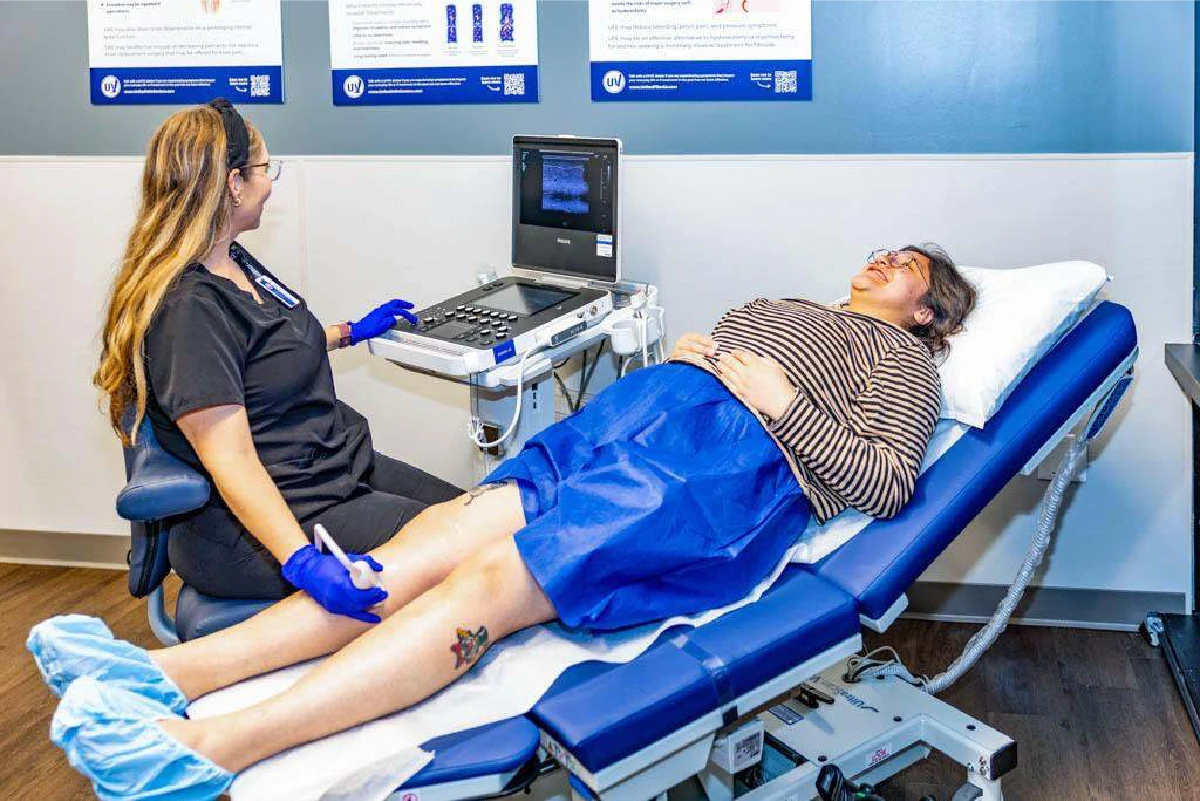
A venous ultrasound is one of the primary imaging tests used to detect blood clots in the legs. This noninvasive examination uses sound waves to create images of the veins and assess how blood moves through them.
A duplex ultrasound combines images of the veins with an evaluation of blood flow, allowing healthcare providers to examine several important details:
- Blood flow: Whether blood is moving through the examined veins as expected.
- Vein compressibility: Whether a vein responds normally to gentle pressure from the ultrasound probe, which can help identify a possible clot.
- Clot location: Where a suspected or identified blood clot is located.
- Affected veins: Whether the findings involve superficial veins, deep veins, or both.
- Additional vein abnormalities: Other findings, such as venous reflux, when that testing is included in the examination.
Does a Blood Clot on an Ultrasound Mean You Have DVT?
Finding a blood clot on an ultrasound does not automatically mean a patient has deep vein thrombosis. Blood clots can develop in different parts of the venous system, and identifying the affected vein is an important part of interpreting the results.
Superficial Blood Clots
Superficial vein thrombosis (SVT) occurs when a blood clot forms in a vein close to the skin’s surface. These clots may cause localized tenderness, warmth, redness, or a firm, painful area along the affected vein.
Although superficial clots generally carry different risks than DVT, some can extend toward or into the deep venous system. Their location and extent help determine whether further evaluation or treatment is necessary.
Trombosis venosa profunda (TVP)
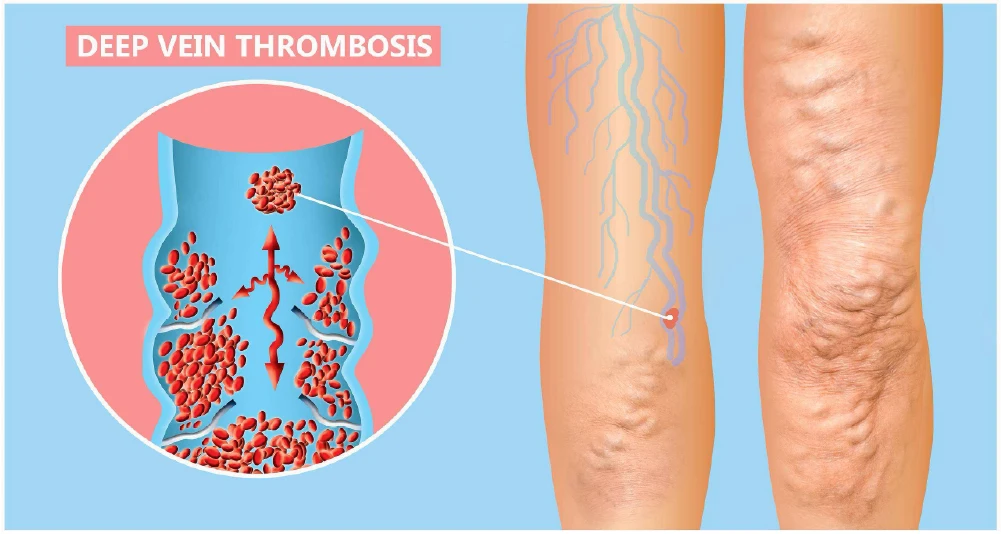
Deep vein thrombosis develops when a clot forms within the deep venous system, most commonly in the legs. Because these veins carry a substantial amount of blood back toward the heart, a clot may interfere with circulation and potentially lead to serious complications.
One concern with DVT is pulmonary embolism (PE), which can occur when part of a clot breaks away and travels to the lungs. For this reason, identifying a clot within the deep venous system requires prompt medical assessment.
Superficial Blood Clot vs. DVT
| Feature | Superficial vein thrombosis (SVT) | Deep vein thrombosis (DVT) |
| Location | Veins near the skin’s surface | Veins within the deep venous system |
| Possible symptoms | Localized pain, redness, warmth, or tenderness | Leg pain, swelling, cramping, warmth, or discoloration |
| Potential concerns | Inflammation and possible extension into deeper veins | Risk of pulmonary embolism and other complications |
| Next steps | Based on clot location, extent, and clinical findings | Requires prompt medical evaluation and an individualized care plan |
What Happens If United Vein & Vascular Centers Finds a Blood Clot During Your Ultrasound?
When our physicians identify a blood clot during an ultrasound, the findings help determine the patient’s next steps. Treatment depends on whether the clot affects the superficial or deep venous system, along with its extent, associated symptoms, and potential risks.
Different findings may call for medication, supportive care, monitoring, or more advanced treatment.
If the Clot Is in a Superficial Vein
When an ultrasound identifies superficial vein thrombosis, the physician evaluates the clot’s size, location, and proximity to the deep venous system to determine the appropriate treatment approach. Smaller, lower-risk superficial clots may be managed differently from those that are more extensive or located near deeper veins.
Depending on the findings, treatment options may include:
- Supportive care: Warm compresses, leg elevation, and appropriate movement may help manage discomfort and inflammation in certain lower-risk cases.
- Compression therapy: Compression stockings may be recommended to help relieve swelling and discomfort when appropriate.
- Anti-inflammatory medications: May help reduce pain and inflammation in selected patients but do not replace anticoagulation when it is indicated.
- Anticoagulant medications: Commonly called blood thinners, these medications help prevent clots from growing and reduce the risk of additional clots in patients who require them.
- Follow-up ultrasound: Additional imaging is performed to monitor the affected vein and assess changes in the clot, including possible extension.
If a superficial clot is located close enough to where a superficial vein connects with the deep venous system, United Vein & Vascular Centers manages it using the same treatment approach as DVT because of the increased risk of clot extension.
If the Ultrasound Shows DVT
When an ultrasound identifies DVT, the physician assesses the clot’s location and extent, symptoms, medical history, and risk of complications. Because DVT involves the deep venous system, treatment focuses on preventing clot progression, reducing the risk of pulmonary embolism, and managing associated symptoms.
Depending on the patient’s clinical findings, treatment options may include:
- Anticoagulant medications: The primary treatment for most patients with DVT, helping prevent existing clots from growing and reducing the likelihood of additional clots.
- Compression therapy: May be recommended to help manage leg swelling and discomfort but does not replace anticoagulant treatment when it is needed.
- Follow-up ultrasound: Repeat imaging is performed to monitor the clot, evaluate changes in the affected veins, and help guide ongoing treatment.
- Catheter-directed thrombolysis: A procedure that delivers clot-dissolving medication directly to the affected area in carefully selected cases.
- Mechanical thrombectomy: A catheter-based procedure used to remove a blood clot in certain patients with extensive or complicated DVT.
Not every patient requires an advanced procedure. The physician determines which treatment or combination of approaches is appropriate based on the ultrasound findings, symptoms, and individual health considerations.
If the Finding Requires Urgent Evaluation
Certain blood clots or ultrasound findings may require more immediate medical attention, particularly when there is concern about the clot’s location, extent, or potential complications. The physician evaluates these findings alongside the patient’s symptoms and medical history to determine the appropriate level of care.
In some cases, United Vein & Vascular Centers may recommend that a patient go directly to the hospital for further evaluation or treatment. This decision depends on the severity of the findings and whether the patient requires medical care beyond what can be provided in an outpatient setting.
Not every blood clot requires hospitalization, but promptly identifying higher-risk findings allows the medical team to determine when a more immediate level of care is needed.

What If You Have Symptoms of DVT?
Patients who visit United Vein & Vascular Centers with symptoms that may indicate DVT undergo an evaluation to help determine the cause of their discomfort. Similar to other vein-related concerns, the process involves reviewing symptoms and medical history, followed by diagnostic ultrasound imaging when appropriate.
If a blood clot is identified, the physician reviews its location, extent, and other clinical findings to develop an individualized treatment plan. Depending on the results, care may involve medication, monitoring, additional imaging, or other treatment options. Findings that require urgent attention are addressed promptly, while other patients may have treatment or follow-up appointments scheduled as part of their care plan.
What Symptoms May Lead a Provider to Suspect DVT?
Possible warning signs include:
- Unexplained swelling affecting one leg
- Calf or leg pain and tenderness
- Calor en la zona afectada
- Redness or skin discoloration
Some people with DVT have few or no noticeable symptoms.
Can a Blood Clot Delay Your Vein Treatment?
Discovering a blood clot may affect the timing of an upcoming vein procedure. Patients receiving care for varicose veins or venous reflux may already have treatments scheduled, such as radiofrequency ablation (RFA), VenaSeal™, Varithena®, or ultrasound-guided sclerotherapy.
If a clot is identified before treatment, the United Vein & Vascular Centers physician reviews the ultrasound findings to determine whether the procedure can proceed as planned or should be postponed. Factors such as the clot’s location, extent, and whether additional treatment or imaging is necessary can influence that decision.
Having a history of blood clots does not automatically prevent a patient from receiving vein treatment. Recommendations depend on their current vein health and individual medical circumstances.
Will You Need Another Ultrasound After a Blood Clot Is Found?
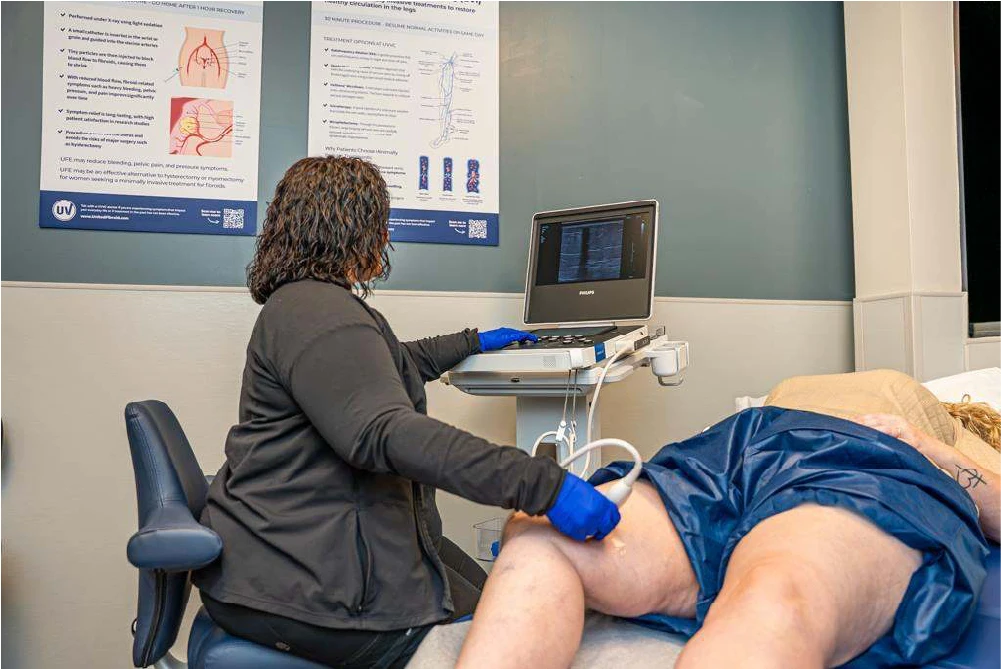
At United Vein & Vascular Centers, follow-up ultrasounds are part of the blood clot management process. These examinations allow physicians to monitor the affected veins, assess changes in the clot, and determine how the patient is responding to treatment.
Repeat imaging can help identify whether a clot has changed in size, extended into other veins, or remained stable. The timing and frequency of follow-up ultrasounds depend on the clot’s location, initial findings, and the patient’s individualized treatment plan.
When Is a Blood Clot an Emergency?
A possible complication of DVT is pulmonary embolism, which occurs when a blood clot travels to the lungs and blocks blood flow.
Symptoms that may indicate a pulmonary embolism include:
- Sudden or unexplained shortness of breath
- Chest pain, particularly when breathing deeply
- Tos con sangre
- Fainting or severe lightheadedness
Call 911 immediately if you experience possible symptoms of a pulmonary embolism. Suspected DVT also requires prompt medical evaluation, even when symptoms appear mild.
Preguntas frecuentes
A duplex ultrasound can identify blood clots in the leg and help determine whether they involve superficial or deep veins. When a clot forms within the deep venous system, it is classified as deep vein thrombosis (DVT). Identifying the affected veins helps physicians determine the appropriate treatment approach.
Blood clots can sometimes be discovered during an ultrasound performed for another vein-related concern, even when a patient has not noticed typical symptoms. These findings may involve superficial or deep veins, and their significance depends on the clot’s location, extent, and other clinical factors.
Treatment depends on the type of clot, its location, and the patient’s medical history. Options may include supportive care, compression therapy, anticoagulant medications, or additional procedures in certain cases. Physicians develop treatment plans based on the ultrasound results and individual patient needs.
A blood clot may affect an upcoming vein procedure, depending on its location, severity, and whether additional treatment is necessary. Your United Vein & Vascular Centers physician will review the findings and determine whether the scheduled procedure can move forward or if adjustments to your treatment plan are needed.
At United Vein & Vascular Centers, follow-up ultrasounds are performed to monitor blood clots and assess changes in the affected veins. Your physician will establish an imaging schedule based on the clot’s location, initial findings, and your treatment plan.
If an ultrasound identifies DVT, the physician evaluates the clot’s location and extent to determine the appropriate care. Treatment may include anticoagulant medications, compression therapy, follow-up imaging, or advanced procedures in selected cases. More serious findings may require immediate hospital evaluation.
Understanding Your Ultrasound Results and Next Steps
A venous ultrasound is an important part of identifying blood clots and understanding how they may affect your circulation. At United Vein & Vascular Centers, these findings help our physicians develop personalized treatment plans that address both immediate concerns and ongoing vein health.
Whether you’re experiencing symptoms of a possible blood clot or managing an existing vein condition, United Vein & Vascular Centers provides diagnostic evaluation, treatment planning, and follow-up monitoring to help guide your care.
Request a free vein screening to learn more about your vein health and explore the treatment options available at United Vein & Vascular Centers.