

Welcome to Ask the Doc, a new educational series from United Vein & Vascular Centers designed to bring clarity, confidence, and medically grounded answers to the vein-health questions patients ask most. Each week, a UVVC physician will break down essential topics surrounding vein and vascular care, what symptoms matter, when to seek help, and how modern minimally invasive treatments can restore comfort and mobility with minimal downtime.
In this installment, Dr. Shannon Davis answers one of the most frequently searched questions online:
“Why do my legs ache at night, and could it be related to venous disease?”
Nighttime Leg Aching
Dr. Davis:
Nighttime leg aching often becomes noticeable because your body is no longer distracted by movement. During the day, muscle activity helps push blood back toward the heart. At night, especially when lying down or sitting still, blood flow slows, and symptoms caused by poor circulation become more apparent.
In patients with chronic venous insufficiency (CVI), weakened vein valves allow blood to pool in the legs. That pooling increases pressure in the veins and surrounding tissues, leading to aching, throbbing, heaviness, or restlessness that is often worse in the evening or overnight.
Leg Pain at Night
Dr. Davis:
When leg discomfort consistently worsens at night, it may indicate that the veins are struggling to return blood efficiently. This increased venous pressure can cause inflammation and irritation in the legs, resulting in:
– aching or throbbing sensations
– heaviness or fatigue
– burning or itching
– restlessness or the urge to move the legs
These symptoms are common in venous disease and tend to progress over time if the underlying cause isn’t addressed.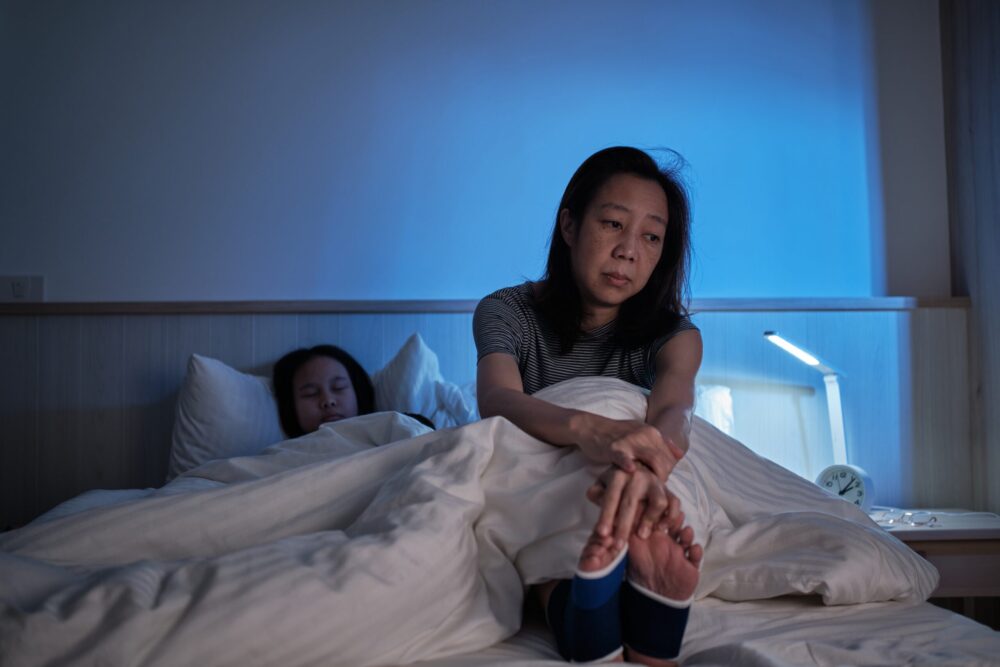
Síndrome de las piernas inquietas
Dr. Davis:
Not always. While Restless Legs Syndrome (RLS) is a neurological condition, venous disease can produce similar sensations. The key difference is the cause.
Venous-related leg aching is typically associated with circulation problems and often improves with leg elevation, movement, or compression. RLS, on the other hand, is driven by neurological signaling and may not respond to those same measures.
It’s also important to note that some patients experience both conditions simultaneously, which is why proper evaluation is critical.
When to Worry About Leg Aches
Dr. Davis:
You should consider seeking evaluation if nighttime leg aching:
– happens regularly rather than occasionally
– worsens after long periods of standing or sitting
– improves with leg elevation
– is accompanied by swelling, heaviness, or visible veins
– disrupts your sleep or daily quality of life
Nighttime symptoms are often an early warning sign that vein disease is developing or progressing, even if symptoms seem mild during the day.
Diagnosing Nighttime Leg Pain
Dr. Davis:
At UVVC, diagnosis starts with understanding the full picture, not just the pain itself.
We often begin with a venous ultrasound, which allows us to evaluate blood flow, valve function, and vein anatomy in real time. Depending on symptoms, we may also assess arterial circulation or other contributing factors.
This comprehensive approach helps determine whether the discomfort is venous, arterial, neurological, or related to another underlying issue, and allows us to build an individualized treatment plan.
What Patients Can Do Themselves
Dr. Davis:
Some patients notice temporary relief by:
– elevating their legs in the evening
– staying physically active during the day
– avoiding prolonged standing or sitting
– wearing medical-grade compression stockings
While these steps may help manage symptoms, they don’t correct underlying vein dysfunction. If nighttime aches continue or worsen, a medical evaluation is the best way to identify the cause and prevent progression.
What’s Next in the Ask the Doc Series
Nighttime leg aching is just one of many symptoms linked to venous insufficiency. Through this series, UVVC physicians continue to answer real patient questions to help you better understand your symptoms, your circulation, and the modern minimally invasive treatment options available.
In our next installment, we’ll explore another common concern: why your veins look blue and when it may indicate a vein or lymphatic issue. If you’re already experiencing symptoms and want answers sooner, you can find a UVVC clinic near you and schedule an evaluation with one of our specialists.
Medically reviewed by UVVC National Medical Director, Dr. Domenic Zambuto