Zawartość
- Why the Holidays Make Leg Aching More Noticeable
- Could Your Leg Aching Be Caused by Venous Insufficiency?
- How to Relieve Leg Aching During the Holiday Season
- When Holiday Leg Pain May Be a Sign of Something More Serious
- Radiofrequency Ablation (RFA): A Treatment Option for Chronic Leg Aching
- Często zadawane pytania
- When to Seek Care and How UVVC Can Help
The holiday season is full of celebrations, travel, family gatherings, and colder weather, but it’s also a time when many people notice their legs aching more than usual. Whether you feel heaviness after long shopping trips, throbbing after standing in the kitchen, or swelling after flights, leg discomfort is extremely common during the holidays.
While occasional soreness can happen to anyone, worsening leg aching may be a sign of an underlying vein issue such as varicose veins or chronic venous insufficiency (CVI). Understanding why symptoms flare this time of year can help you stay more comfortable and protect your circulation.
Why the Holidays Make Leg Aching More Noticeable
Several holiday-related factors place extra stress on your veins and circulation. When combined, they create the perfect environment for aching, heaviness, swelling, or fatigue in the legs.ƒ
1. Long periods of standing while shopping or cooking
Holiday routines often involve hours on your feet, whether you’re browsing stores, wrapping gifts, or preparing big meals. Standing in one position increases pressure inside the leg veins, especially if those veins are already weakened or enlarged.
The result?
- Ciężkość
- Pulsujący
- Tension or tightness
- Visible vein swelling
People with varicose veins or refluxing veins feel this discomfort more quickly.
2. Increased sitting and travel time
Holiday travel like car rides or flights can make circulation sluggish. When you sit for long periods, the calf muscles don’t contract, which allows blood to pool in the lower legs.
This may lead to:
If you have CVI, even short periods of immobility may intensify symptoms.
3. Cold weather naturally restricts circulation
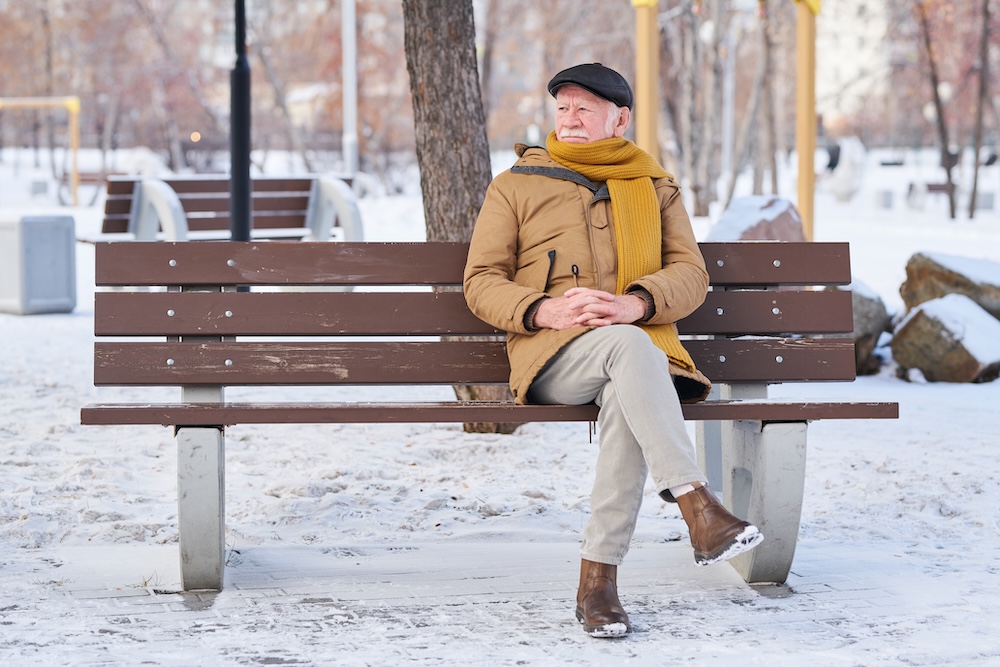
Cold temperatures cause the blood vessels in the legs to constrict. This reduces blood flow and places more strain on veins already struggling to circulate blood effectively.
This is especially noticeable for:
- People with varicose veins
- Those with a family history of vein disease
- Individuals with slow-healing or swollen legs
If your legs feel heavier when temperatures drop, circulation may be to blame.
4. High-salt holiday foods can increase swelling
Holiday meals are often high in:
- Sodium
- Sugar
- Processed ingredients
- Alcohol
Salt causes the body to retain water, which increases swelling, especially in the lower legs. If your veins are already weakened, this extra fluid can worsen aching and discomfort.
5. Wearing tight clothing or boots
Many festive outfits include tight jeans, leggings, shapewear, or tall boots. While stylish, they can restrict blood flow in the legs and make vein symptoms more noticeable.
6. Stress and lack of sleep affect circulation
Holiday stress releases hormones that constrict blood vessels. Combined with busy schedules and reduced sleep, circulation slows and symptoms worsen.
Could Your Leg Aching Be Caused by Venous Insufficiency?
Chronic venous insufficiency (CVI) occurs when the valves inside your leg veins weaken, allowing blood to pool instead of circulating properly. Symptoms often worsen during the holidays because of the increased pressure placed on your veins.
You may have venous insufficiency if you notice:
- Aching or throbbing after sitting or standing
- Heaviness or fatigue in the legs
- Widoczne żylaki lub pajączki
- Swelling around the ankles
- Skin discoloration or dryness
- Restlessness at night
Learn more on our Varicose Veins page.
Early treatment can prevent symptoms from worsening and help restore comfort.
How to Relieve Leg Aching During the Holiday Season
You can’t change the weather or your holiday schedule, but you can support healthier circulation with simple habits.
Keep moving whenever possible
Movement activates the calf muscle pump, which pushes blood back toward the heart. Try:
- Short walks
- Standing breaks
- Calf stretches
- Flexing your ankles during travel
Even small motions make a big difference.
Uniesienie nóg
Raising your legs above heart level reduces swelling and relieves pressure from pooling blood.
Wear compression stockings (if recommended)
Compression helps support weak veins and improve blood flow during long days. Ask your specialist whether compression is right for you.
Bądź nawodniony
Hydration prevents thickening of the blood and may reduce swelling.
Bundle up
Warm legs promote better circulation, especially when temperatures drop.
Be mindful of holiday eating
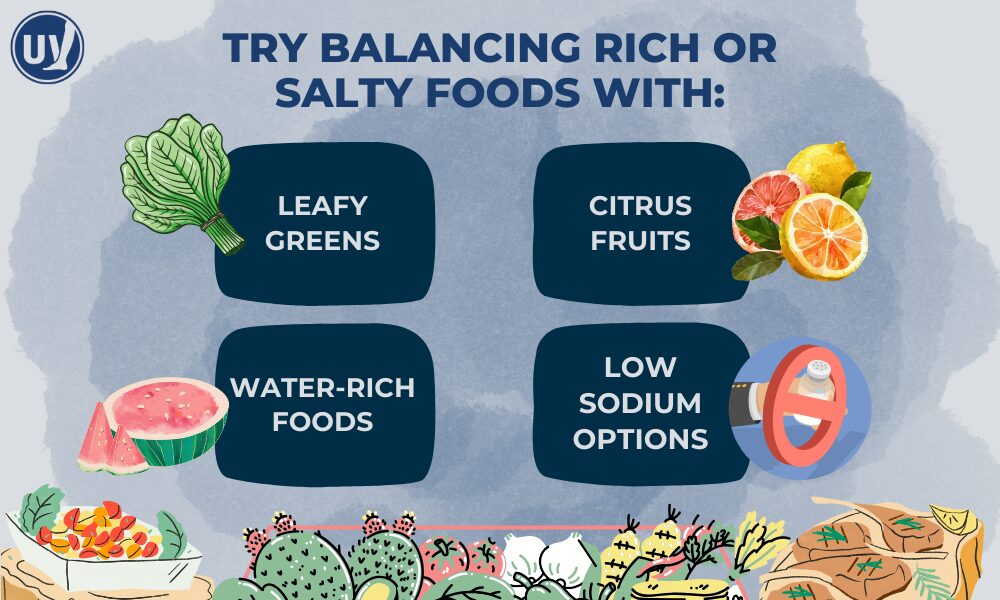
Try balancing rich or salty foods with:
- Leafy greens
- Citrus fruits
- Water-rich foods
- Low-sodium options
These help minimize swelling and inflammation.
When Holiday Leg Pain May Be a Sign of Something More Serious
While holiday routines can temporarily worsen symptoms, persistent or severe pain may indicate a deeper issue.
Contact a specialist if you notice:
- Leg aching that worsens over time
- Swelling that doesn’t improve overnight
- Burning or throbbing veins
- Bulging varicose veins
- Skin changes or discoloration
- New or worsening discomfort during activity
These may be signs of venous insufficiency, which is treatable with minimally invasive procedures.
Radiofrequency Ablation (RFA): A Treatment Option for Chronic Leg Aching
If your holiday leg pain is linked to varicose veins or CVI, radiofrequency ablation (RFA) may help.
RFA is a minimally invasive, in-office treatment that uses gentle heat to close diseased veins and reroute blood to healthier veins. Benefits include:
- Relief from aching, heaviness, and swelling
- Poprawione krążenie
- Fast recovery time
- No stitches and minimal downtime
Learn more on our RFA treatment page.
Często zadawane pytania
Long periods of sitting slow circulation, causing blood to pool in the legs. This leads to swelling, heaviness, or throbbing.
Yes. Cold temperatures constrict blood vessels, making it harder for blood to circulate properly in the legs.
Stay active, elevate your legs, hydrate, and wear compression if recommended.
It can be. Persistent aching, heaviness, swelling, or prominent veins may indicate venous insufficiency.
If symptoms worsen, interfere with daily activities, or persist beyond the holidays, a vein evaluation is recommended.
When to Seek Care and How UVVC Can Help
If your leg aching continues to worsen, or if symptoms like swelling, heaviness, or visible veins persist, it may be time to schedule a circulation evaluation. While holiday routines can temporarily strain your veins, ongoing discomfort can signal underlying venous insufficiency.
At United Vein & Vascular Centers, our specialists offer advanced diagnostics and minimally invasive treatments, including RFA, to restore healthy blood flow and long-term relief.
Find a clinic near you and schedule your consultation today.