Noticing bulging veins in your legs can be surprising and sometimes a little alarming. For many people, these raised, rope-like veins are the first visible sign that something deeper may be going on with their circulation.
While bulging veins are often associated with varicose veins, not all visible veins mean there is a serious medical issue. Understanding what causes veins to bulge, what symptoms to watch for, and when to seek medical care can help you take the right next step for your vascular health.
What Do Bulging Veins Look Like?
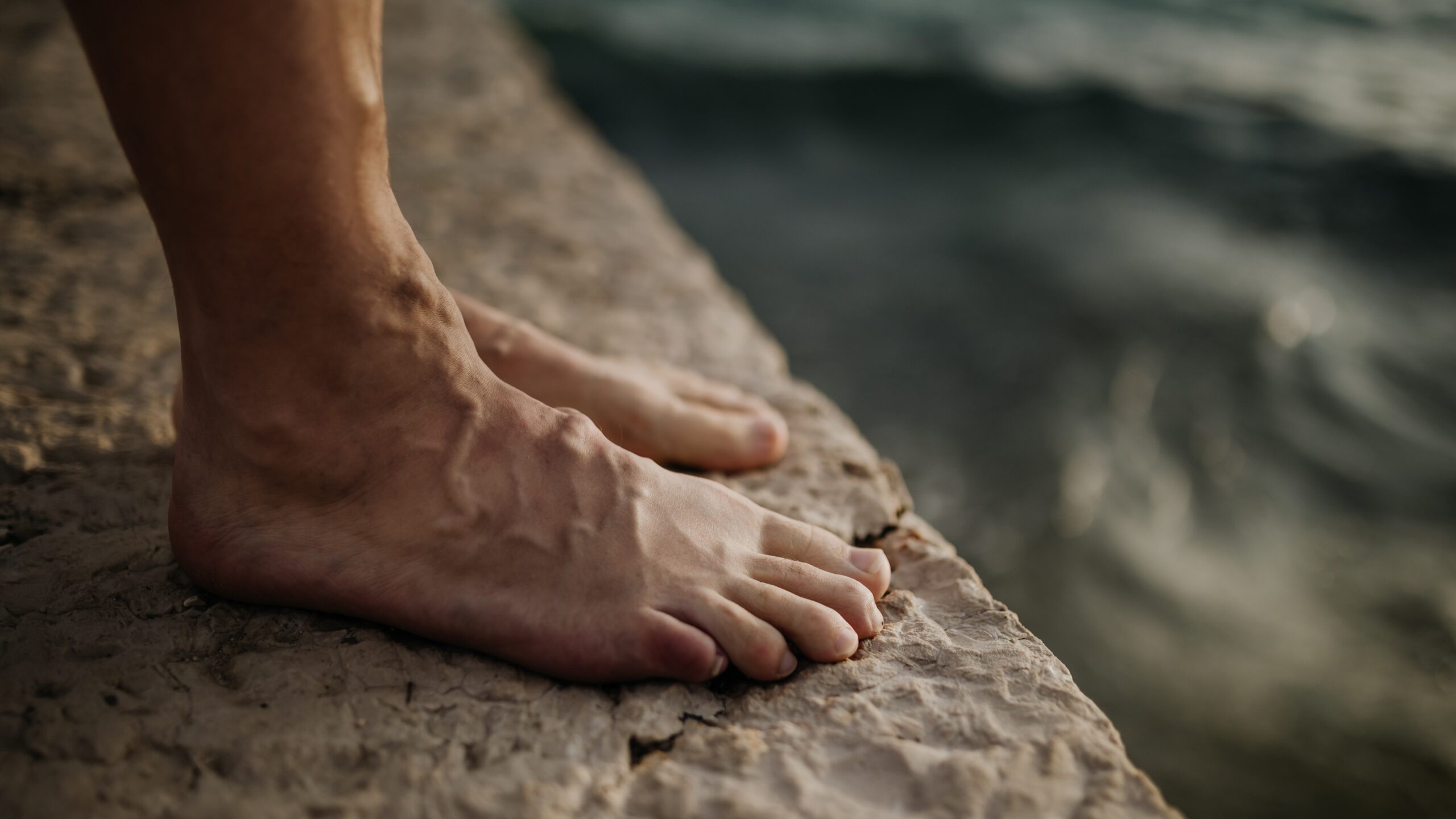
Bulging veins are typically raised above the surface of the skin and may appear twisted or rope-like in shape. They are often blue, purple, or dark in color and most commonly develop in the legs and feet. These veins can become more noticeable after long periods of standing or sitting, during pregnancy, or as part of the natural aging process. In many cases, bulging veins are a sign of varicose veins.
What Causes Leg Veins to Bulge?
Healthy veins contain tiny valves that help blood flow upward toward the heart. When these valves weaken or stop working properly, blood can pool in the vein. This extra pressure stretches the vein walls, causing them to enlarge and bulge.
Several factors can increase your risk:
Wiek
Vein walls and valves naturally weaken over time.
Genetyka
A family history of vein problems raises your risk.
Prolonged Sitting or Standing
Blood has a harder time circulating, increasing pressure in the leg veins.
Ciąża
Hormones and increased blood volume enlarge veins, and the uterus puts pressure on pelvic veins.
Excess Weight
Additional pressure on leg veins can contribute to long term damage.
Are Bulging Veins Just Cosmetic?
For some people, bulging veins are mainly a cosmetic concern. But for others, they can be a sign of chronic venous insufficiency, a condition where blood does not flow efficiently back to the heart.
Symptoms that may occur alongside bulging veins include:
- Bolące lub ciężkie nogi
- Throbbing or cramping, especially at night
- Obrzęk podudzi lub kostek
- Itching or burning around the veins
- Skin discoloration near the ankles
- Slow healing sores near the lower leg
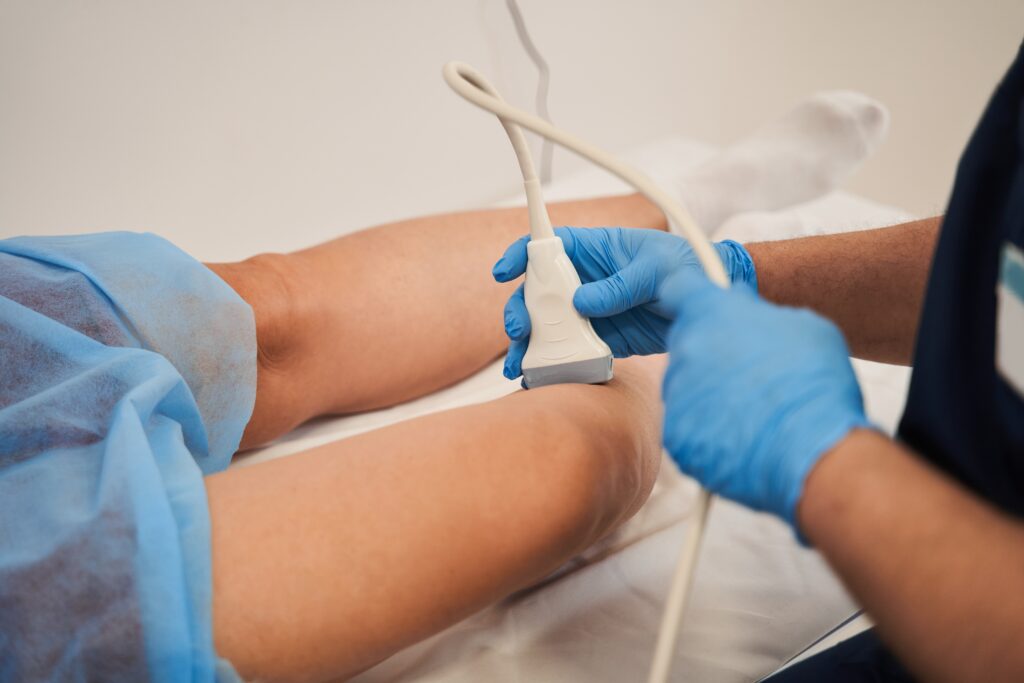
If you notice these symptoms, it may be time for a professional vein evaluation.
When Should You See a Vein Specialist for Bulging Leg Veins?
Consider scheduling an evaluation if:
- Your veins are painful or tender
- Swelling in your legs is persistent
- Skin near your ankles is changing color or texture
- You develop a sore or ulcer on your lower leg
- Symptoms are interfering with daily life
Early care can help prevent symptoms from worsening and reduce the risk of complications.
How Are Bulging Varicose Veins Treated?
Treatment depends on the severity of your symptoms and the underlying vein problem. Many modern vein treatments are minimally invasive, require little to no downtime, and are performed in an outpatient setting.
One non-surgical option is Varithena®, an FDA approved microfoam treatment for certain varicose veins.
Varithena® works by:
- Injecting a specialized foam into the problem vein
- Sealing the vein shut
- Redirecting blood flow to healthier veins
Over time, the treated vein is absorbed by the body, and symptoms often improve.
Can You Prevent Bulging Veins?
While you may not be able to fully prevent varicose veins, certain habits can help support better circulation and reduce the risk of bulging veins. Staying active with regular walking, avoiding long periods of sitting or standing, and elevating your legs when resting can all promote healthy blood flow. Maintaining a healthy weight is also important, and wearing compression stockings may be helpful when recommended by a provider.
Często zadawane pytania
Often, yes. Bulging leg veins are commonly varicose veins caused by weakened vein valves.
They can be. Bulging veins may be linked to circulation problems that can worsen without treatment.
Standing increases pressure in the leg veins, making them more visible and uncomfortable.
Yes. Walking and leg movement help improve circulation and reduce vein pressure.
Treatment depends on your condition. Options may include compression therapy or minimally invasive procedures such as Varithena®.
Get the Right Care for Bulging Veins
Bulging veins are common and are frequently associated with varicose veins. While they may begin as a cosmetic concern, they can also indicate an underlying circulation issue, especially when accompanied by symptoms such as pain, swelling, or changes in the skin. At United Vein & Vascular Centers, specialized care is available to help identify the cause of bulging veins and provide minimally invasive treatment options designed to improve comfort, circulation, and overall leg health. If bulging veins are a concern, a professional vein evaluation is an important first step toward finding the right care.
Medically reviewed by UVVC National Medical Director, Dr. Domenic Zambuto